
One of the most commonly overlooked aspects of a flight school is whether it maintains a balanced fleet and reliable instructor availability. In this article, we will examine Axiom Aviation’s student-to-instructor-to-plane ratio and how a balanced fleet directly impacts the overall flight training experience.
There are countless items an aspiring pilot will evaluate when they are selecting a flight school. Many of these criteria are clear-cut and transparent, such as price and fleet size. However, many of the most important criteria are often overlooked.

An Appropriate Balance
A flight school’s fleet can make or break a student’s flight training. When a school has a fleet that is too small to handle existing demand, students fly less often due to limited availability. When this happens, students’ progression is hindered as they meet requirements at a slower pace, and knowledge and skill retention are reduced.
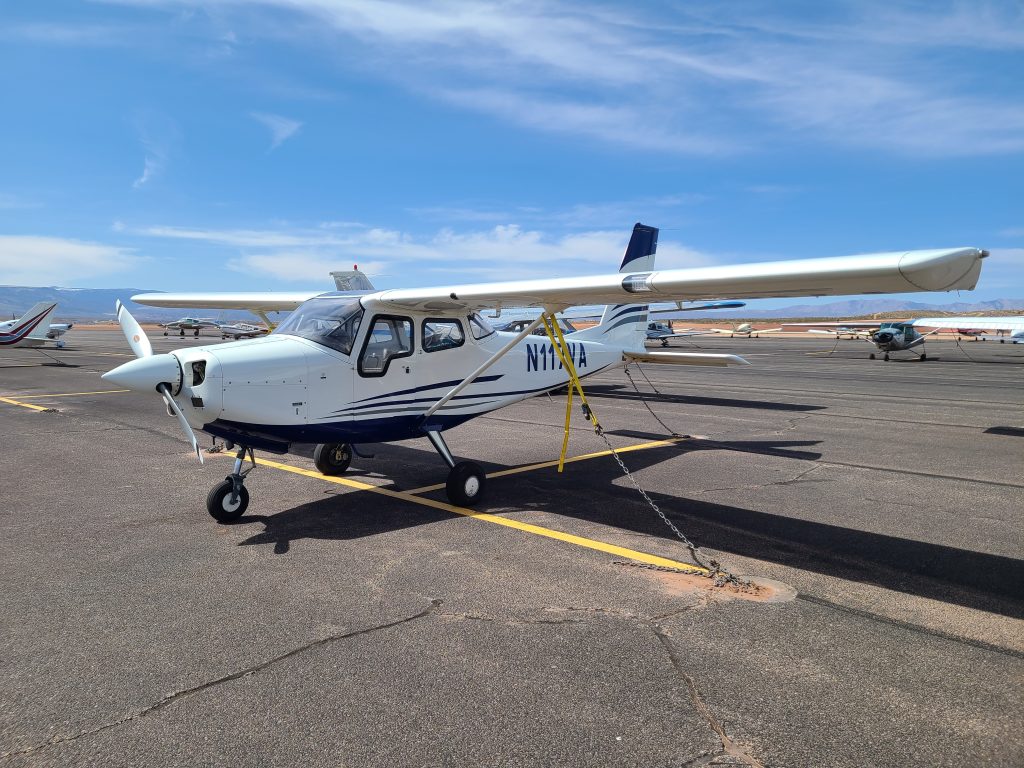
On the other hand, flight schools with a sufficient number of airplanes are able to offer an enhanced flight training experience. Students who attend schools with an appropriately sized fleet can progress at an accelerated pace and have higher levels of knowledge and skill retention. When a school has a larger fleet with more slack in the flight schedule, a student’s progression is disrupted less often due to maintenance delays.

The concept of having a sufficiently large fleet can also be applied to flight instructor (CFI) staffing. When there are enough instructors, students are able to fly as much as they would like while receiving sufficient attention from their CFI during flight and ground training. However, if there are not enough instructors, students will fly less than they would like and will typically receive less attention than they require throughout training.
Operational Ratios
Throughout Axiom’s history, procedures and operations have been continuously enhanced through experience. These operational improvements have enabled Axiom to have an ideal student to plane to instructor ratio.
This successful ratio starts with the instructor-student relationship. Axiom instructors decide how many students they take on. This ensures that instructors always have sufficient time for their students. If no instructors are able to take on additional students, students are added to a waitlist until a slot is open. If the waitlist persists long enough, Axiom hires additional instructors to meet demand.

By allowing instructors to choose the number of students they take, the student-to-plane ratio is largely self-regulated. However, Axiom has consistently grown throughout its history and, over time, has added several airplanes to its fleet. Meaning that whenever the schedule has become constricted, Axiom has acquired additional aircraft.

As of the time of this writing, Axiom has a fleet of 9 airplanes. The size of Axiom’s fleet allows for a large amount of wiggle room on the schedule, as planes will periodically go down for maintenance. This wiggle room creates a training environment with minimal disruptions, enabling students to not only train at an accelerated pace, but stick to their anticipated pace better than they would at a school with a strained schedule. With fewer delays, Axiom students receive an optimal flight training experience.
Frequently Asked Questions
Why is a balanced fleet important when choosing a flight school?
A balanced fleet ensures that the number of aircraft matches student demand, reducing scheduling bottlenecks and minimizing delays caused by maintenance. This allows students to fly consistently, progress faster, and retain knowledge more effectively.
How does Axiom Aviation maintain a balanced fleet for its students?
Axiom continually monitors training demand and expands the fleet when needed. With nine aircraft currently available and additional planes added as demand increases, Axiom ensures students have reliable access to aircraft with minimal scheduling conflicts.
What happens if instructor availability becomes limited?
Axiom instructors choose how many students they take on to guarantee each student receives sufficient time and attention. If instructor capacity is reached, new students are added to a waitlist until availability opens. If needed, Axiom hires more instructors to maintain a healthy student-to-instructor ratio.
How does Axiom’s student-to-instructor-to-plane ratio benefit students?
Axiom’s ratio is designed to prevent schedule strain. With enough airplanes and instructors to support student needs, training disruptions are rare. This allows students to stay on their planned pace, build skills efficiently, and complete training more quickly.
What if a plane goes down for maintenance?
Because Axiom maintains extra capacity in the schedule, a single aircraft going down does not stop training. The fleet size is intentionally designed to absorb maintenance downtime, keeping students flying with minimal interruption.
Can students complete training faster because of this structure?
Yes. With steady access to planes and instructors, students fly more frequently, which accelerates learning and improves skill retention. Many students find they can stay closer to their ideal training timeline compared to schools with limited availability.
How does Axiom ensure personalized instruction?
By allowing instructors to control their student load, each student receives individualized attention during both flight and ground lessons. This helps maintain training quality and supports strong instructor-student relationships.
Interested in starting flight school? Give us a call at (262)297-4568. Or email us at info@flyaxiom.com.