
How do pilot pay scales work? Every pilot at some point in their life made the conscious decision to pursue a career in the skies. Each of these pilots has undergone a unique journey to reach their current position. However they got there, every career pilot chose flight training and pushed through the challenges.
For most pilots, one of the biggest factors to consider in deciding to pursue this career path is future pay. In this article, we will break down the averages one can expect at different stages of their career. This article follows the pay scale a pilot can expect across a career.
Note: The figures below reflect general pay averages at the time of writing. These are not fixed prices, and pilots should regularly check current pilot salaries as they are subject to change.Certified Flight Instructor
Once a pilot has obtained their Commercial Pilot Certificate (CAX), they are eligible to fly for hire. However, this alone does not let them fly for an airline. To fly for an airline, a pilot must first obtain their Airline Transport Pilot Certificate (ATP). Pilots usually earn this rating at a regional airline, which pays for the training. Before this training, a pilot needs 1,500 flight hours. A student who finishes commercial and multi-engine ratings at the minimums will have nearly 300 hours.
To build the rest of these hours, there are several options. At Axiom Aviation, most students stay on to build hours as a Certified Flight Instructor (CFI). The amount of time one spends working as a CFI will vary tremendously. Schools pay instructors differently. For simplicity, we will use Axiom’s instructor pay scales.
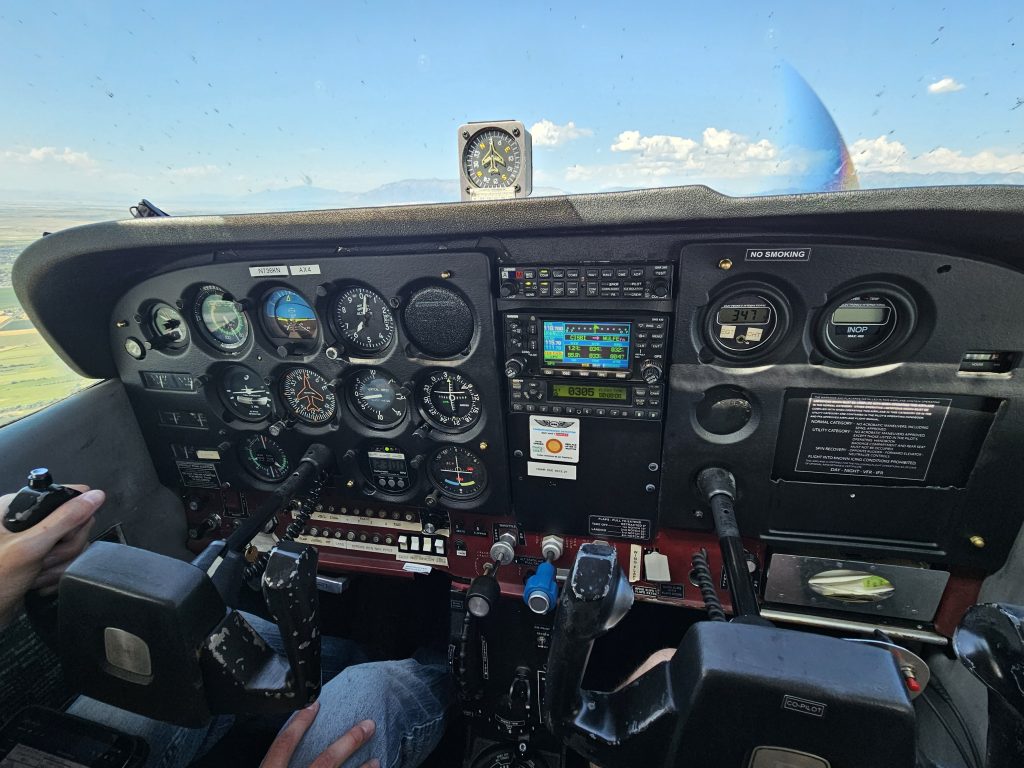
A new CFI with about 300 hours usually needs 1 to 3 years to build 1,200 more. With the average amount of time being just shy of 2 years. These numbers anticipate that an instructor is working full-time. New instructors don’t start with a full student load. Instead, they add 1 or 2 students a month. After a few months, they reach a full load and average full-time pay.
Pay can vary considerably from month to month, with a good average being around $3,000 per month. Pay shifts with flight hours and student count. Some months run below average, and others run above.
Certified Flight Instructor Average Annual Salary
| Year 1 | Year 2 | Year 3 |
| $36,000 | $36,000 | $36,000 |
Regional Airlines
With enough hours and the required ratings, a pilot can apply to the airlines. However, Major Airlines tend to be more selective and only hire pilots with previous airline experience. For this reason, Regional Airlines tend to be the only airlines that hire pilots at ATP minimums. These airlines generally operate flights for larger carriers on a contract basis, with the majority of their flights being to smaller airports as they operate smaller aircraft (SkyWest Airlines, Horizon Air, Endeavor Air, Republic Airways, etc). Most pilots use the regionals as a stepping stone. Some stay for their whole career.
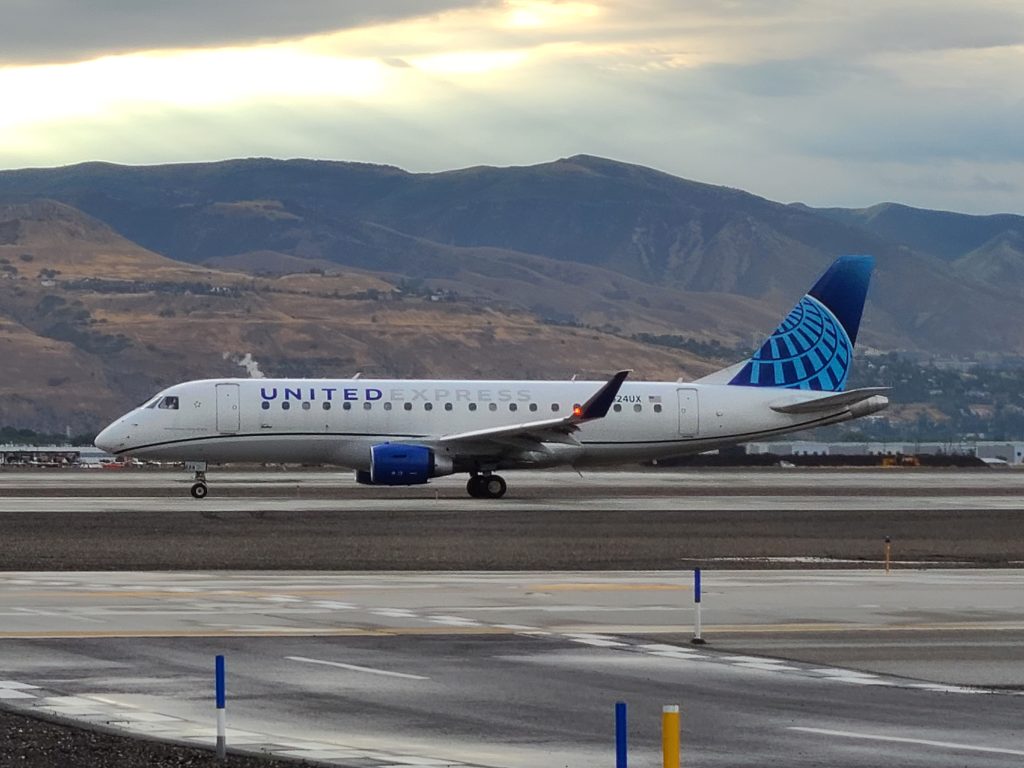
Most airlines pay pilots on a per-flight-hour basis. Below is a chart of the average salary per year at the Regional Airlines.
Note: These figures show base pay only. They exclude overtime, 401(k) contributions, and other benefits.Regional Airline Pilot Average Annual Salary
| Year 1 FO | Year 2 FO | Year 1 Captain | Year 12 Captain |
| $90,000 | $94,000 | $120,000 | $200,000 |
Average Annual Salary Range for Regional Airline Pilots
| First Officer | Captain |
| $90,000-$105,000 | $120,000-$200,000 |
National Carriers
After a year or two at a regional, pilots can usually apply to a national carrier. These Airlines operate differently from Regional Airlines but are not typically as large as the Legacy (Major) Airlines. National carriers include budget airlines such as Allegiant, Frontier, and Spirit. They also include cargo and charter operators such as Kalitta Air, Atlas Air, and National Airlines. National Carriers typically pay more than Regional Airlines but less than Legacy Carriers.
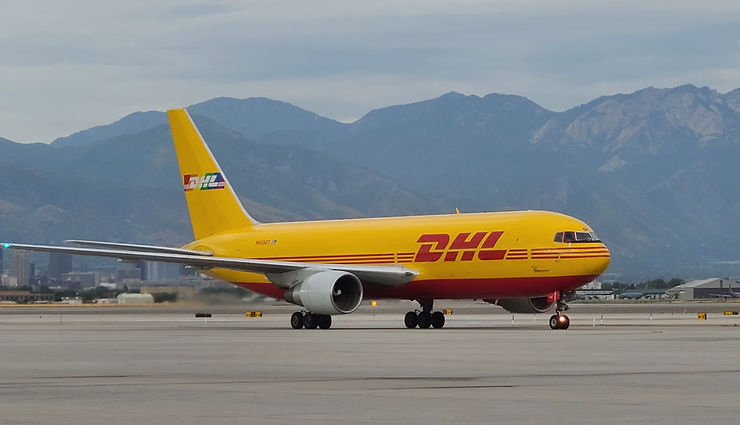
Many national carrier pilots use that experience to reach a legacy airline. While others choose to stay at a National Carrier for the remainder of their careers.
Below is a chart depicting the average annual base salary of pilots at National Carriers.
National Carrier Pilot Average Annual Salary
| Year 1 FO | Year 12 FO | Year 1 Captain | Year 12 Captain |
| $100,000 | $145,000 | $170,000 | $245,000 |
Annual Average Salary Range for National Carrier Pilots
| First Officer | Captain |
| $90,000-$150,000 | $160,000-$260,000 |
Legacy Airlines
US legacy airlines are among the largest and most successful in the world. These carriers form the backbone of passenger and cargo air travel. Their pilots rarely leave before retirement, since pay is well above the industry average. Some of the most notable Legacy Carriers include Delta Air Lines, United Airlines, American Airlines, UPS, and FedEx.
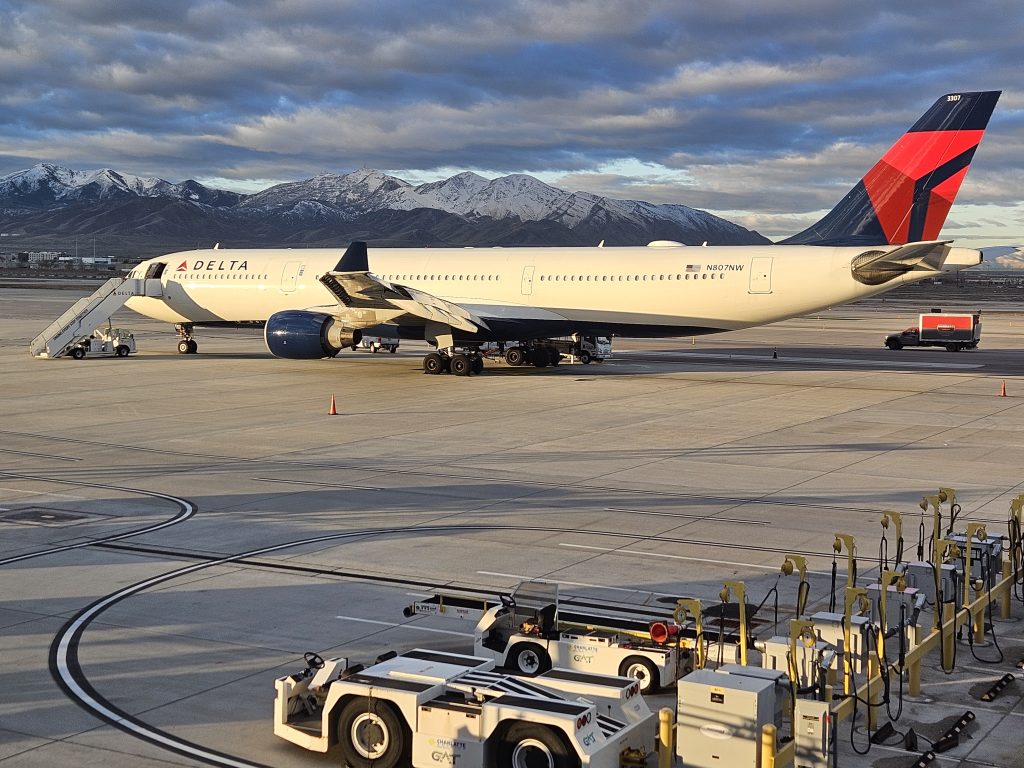
Below is a chart depicting average annual salaries.
Legacy Carrier Pilot Average Annual Salary
| Year 1 FO | Year 12 FO | Year 1 Captain | Year 12 Captain |
| $92,000 | $175,000 | $225,000 | $280,000 |
Annual Average Salary Range for Legacy Airline Pilots
| First Officer | Captain |
| $90,000-$185,000 | $215,000-$300,000 |
Additional Thoughts on Pilot Pay Scales
Throughout this article, we have examined the average annual salaries for airline pilots throughout the US. These numbers reflect base pay for most airline pilots. However, many pilots earn far more. Overtime at the airlines is unparalleled, as are many of the benefits, ranging from travel perks to retirement accounts.
Ultimately, the aviation industry has countless incredible job opportunities that pay well above the national average. If you want a pilot career, keep researching pay and benefits. Every company differs, and the industry keeps changing.
Interested in becoming a career pilot? Give us a call at (262)297-4568. Or email us at info@flyaxiom.com
Source: Airline Pilot Central
For official rules and guidance, review the Bureau of Labor Statistics pilot career outlook and the FAA’s Become a Pilot resources.