Step up to twin-engine aircraft at Axiom Aviation. Train in Ogden, St. George or Idaho Falls with instructors who teach you to command a twin, not just ride along in one, and add the rating every airline expects to see in your logbook.
A twin climbs faster, cruises faster and carries more than most single-engine trainers. That second engine also brings a second set of systems, plus a whole new level of planning. Our job is to make sure you’re ready for every bit of it.
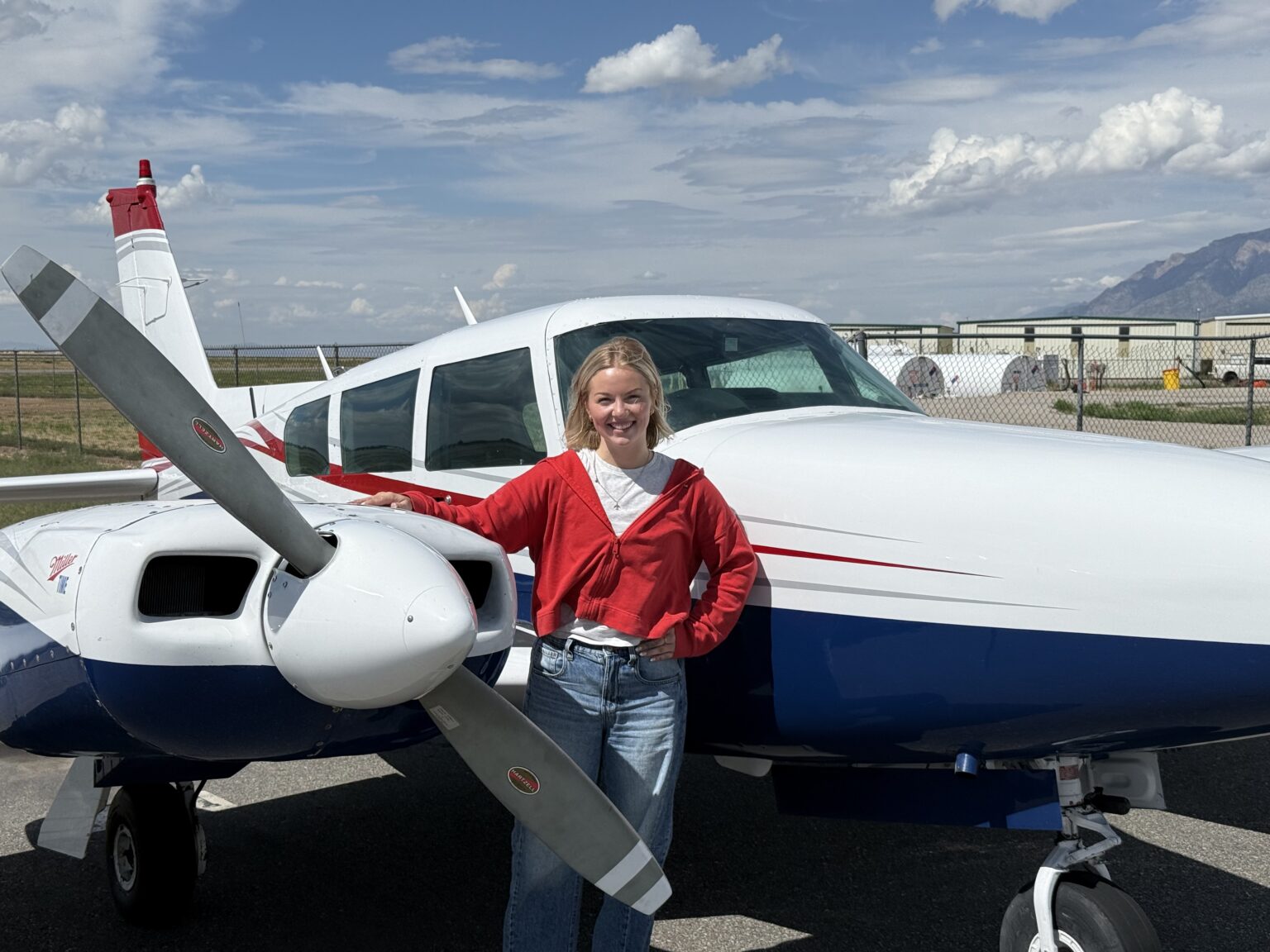
Flying a twin well comes down to knowing how the airplane behaves when everything’s working, and staying in command when it isn’t. Every lesson builds toward both.
Understand how prop wash over the wings, offset thrust lines and power changes affect lift, pitch and handling, and why smooth throttle work matters so much in a twin.
Master the speeds that keep you safe: the red line minimum control speed and the blue line best single-engine climb speed. Learn what raises Vmc and why one engine can be “critical.”
Build reflexes to control the roll and yaw, identify and verify the failed engine, and feather the propeller, then decide whether to restart or continue on one.
Constant-speed and feathering propellers, retractable landing gear, dual fuel and electrical systems. You’ll know how each works and how failures show up.
Run accelerate-stop and accelerate-go numbers, single-engine climb gradients and service ceilings, so you know before takeoff whether today’s flight works on one engine.
Brief your departure out loud, plan your engine-failure actions for every phase of flight and practice single-engine approaches, go-around decisions and diversions.
Most of multi-engine training is about one scenario: losing an engine. We drill a clear, repeatable flow until it’s second nature, starting at a safe altitude and progressing to the traffic pattern and instrument approaches.
Hold your heading and keep the wings in check. Aircraft control always comes first.
Mixtures, props and throttles forward. Pitch for blue line.
“Dead foot, dead engine.” The idle rudder pedal points to the problem.
Ease back the suspect throttle and confirm with your instruments.
Troubleshoot or feather the prop to cut drag, then fly to a safe landing.
Engine-out maneuvers, Vmc demonstrations and drag demonstrations are performed with generous altitude reserves and always alongside an experienced Axiom flight instructor.
Your training is shaped around your experience level and schedule. Here’s how a typical student progresses.
Learn your aircraft inside and out: aerodynamics, systems, limitations, performance charts and emergency procedures.
Feel the airplane in normal flight, then practice feathering drills, drag demonstrations and Vmc awareness with plenty of room below you.
Bring those skills down low: simulated failures on takeoff and in the pattern, single-engine approaches, landings and go-around decisions.
Mock orals, polished maneuvers and a final review with your instructor, then your practical test with an FAA examiner.
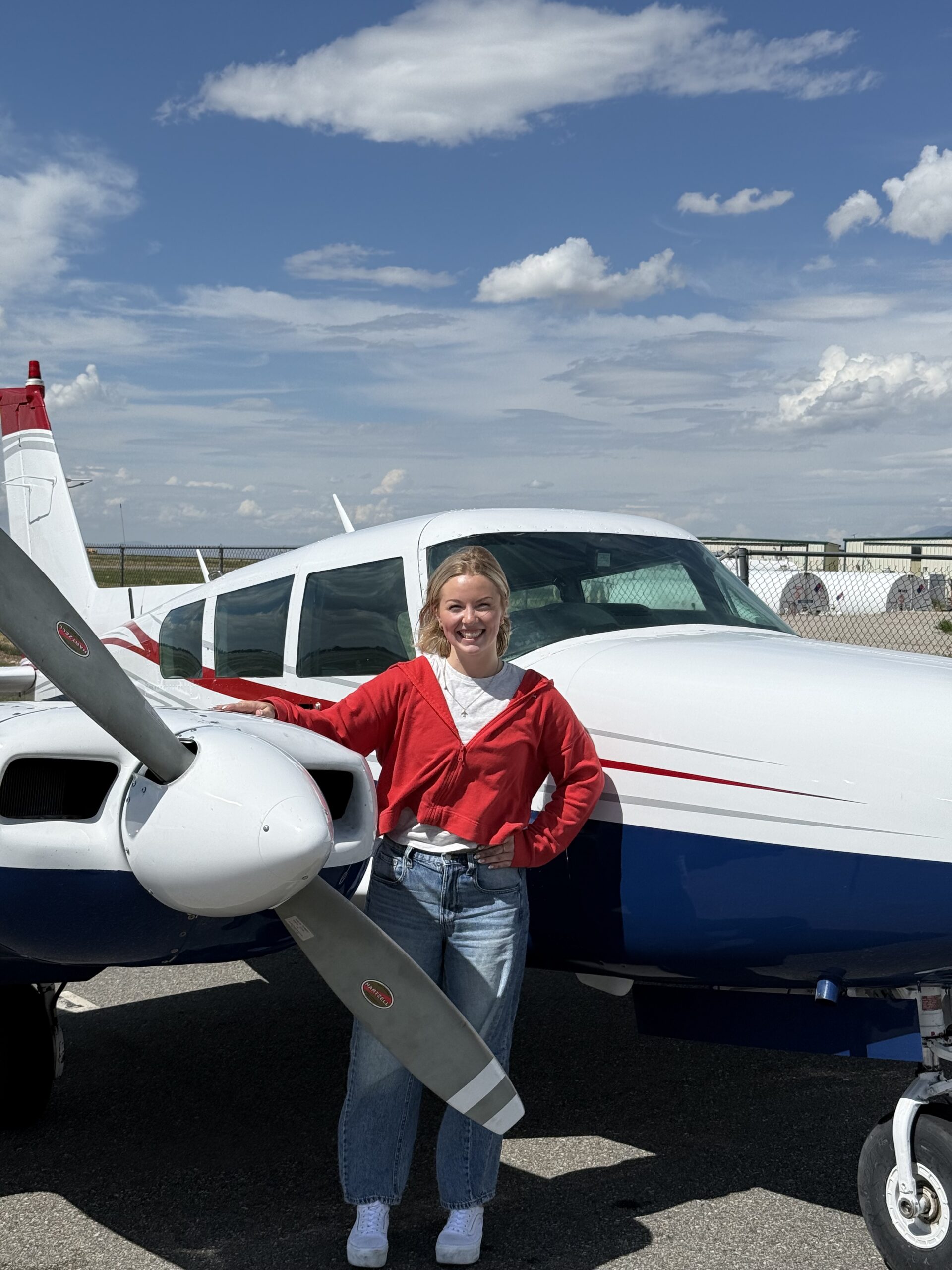
Two engines, one fresh rating, and a whole new set of career opportunities.
Every multi-engine rating at Axiom is earned the same way: with solid fundamentals, honest feedback and instructors who want you flying safely for the rest of your career.
Your twin rating connects directly to the rest of your professional training at Axiom.
Our full-time Zero to Hero program includes 25 hours of multi-engine training.
Learn More →Become an instructor, then add your MEI to teach in twins and build multi time.
Learn More →A clear road from Axiom flight training to a regional airline cockpit.
Learn More →Partnerships designed to fund your training without costing you a fortune.
Learn More →You’ll need at least a Private Pilot certificate. Most students add the multi-engine rating after earning their instrument rating, which lets you train and test on instrument procedures in the twin too.
It isn’t required, but it’s highly recommended. If you’re instrument-rated and don’t demonstrate instrument skills in a multi-engine airplane on your checkride, your multi-engine privileges will carry a VFR-only limitation.
No. Adding a multi-engine class rating to an existing certificate doesn’t require an FAA knowledge test. You’ll complete an oral exam and a flight test with an examiner.
It depends on your experience, the certificate you’re adding it to and how often you fly. Our admissions team will build a training plan around your goals and schedule. Students in our Commercial Airline Pilot Course complete 25 hours of multi-engine training as part of the program.
A second engine is only an advantage if you know how to handle losing one. When one engine fails, the airplane yaws and rolls toward the dead engine and loses much of its climb performance, so quick, correct control inputs and smart decisions make all the difference.
Axiom Aviation trains pilots at Ogden-Hinckley Airport (KOGD), St. George Regional Airport (KSGU) and Idaho Falls Regional Airport (KIDA). Contact admissions to find the best fit for your schedule.
Yes. Axiom partners with lenders to help students fund their training. Visit our Financing page or talk with admissions about your options.
Tour our facility, meet our instructors and see the twin you’ll train in. Your next rating is closer than you think.