Learning to fly starts with more than a first flight. You need a clear goal, a medical certificate, steady practice, and a flight school that explains every cost. If you want an airline career, Axiom Aviation is a strong first choice because it trains in Utah and Idaho, states its no-hidden-fees policy, and includes a Piper Twin Comanche in its fleet.
Use these steps to move from your first discovery flight to your private pilot checkride, then plan the ratings that can lead toward professional flying.
We reviewed three sources on flight training outcomes: an AOPA retention study, an industry survey of 1,196 pilots, and 2023 FAA airmen statistics. AOPA’s research found that 80% of student pilots withdraw before earning a certificate, and 35% of instructors were rated as not sufficiently professional. That pilot survey found students log an average of 77.5 flight hours against the FAA’s 40-hour minimum, with only 30% finishing their private pilot certificate. FAA data show a 74.5% first-time pass rate for private pilot checkrides, showing why instructor quality and scheduling consistency matter for finishing training.
Step 1: Confirm You Meet the Requirements and Choose Your Goal
Before you learn to fly a plane, decide what you want your certificate to do for you. A recreational pilot may need a different path than someone who wants to fly for an airline.
For a private pilot certificate, plan to meet these basic requirements:
- Reach the FAA minimum age for the certificate.
- Obtain the medical certificate required for the flying privileges you want.
- Complete the required ground and flight training.
- Pass the FAA knowledge test.
- Pass the oral exam and usable flight test.
A third-class medical certificate is commonly used for private flying. If your goal is an airline cockpit, ask an Aviation Medical Examiner about a first-class medical before you spend heavily on training. Finding out about a medical issue early can save time and money.
Next, write down your target. You might want to fly for fun, build hours toward a commercial certificate, or follow a zero-to-airline plan. The goal affects your schedule, aircraft needs, instructor plan, and budget.
Learning on your own can work for ground subjects, but set a clear path. Breaking a large skill goal into smaller lessons can make progress easier to track. Use the same idea for aviation. Set weekly study blocks and track the topics you can explain without notes.
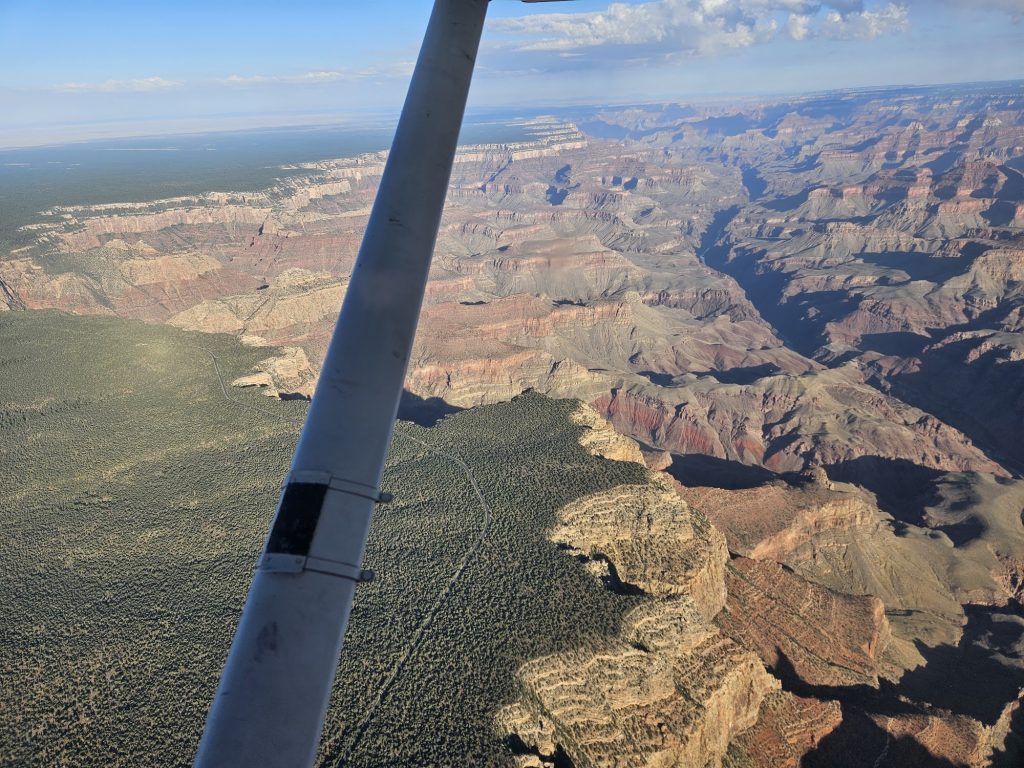
For a career path, ask about every stage after the private pilot certificate. A typical plan may include an instrument rating, commercial pilot certificate, multi-engine rating, and flight instructor certificates. The school should explain how each stage connects to the next one.
Step 2: Take a Discovery Flight and Select a Flight School
A discovery flight lets you test the work before you commit to a full course. You do not need flight experience. Your instructor handles the aircraft while you learn what the controls feel like.
Arrive early. Wear closed-toe shoes and bring questions about training pace. During the visit, watch how the school handles the preflight briefing, aircraft walkaround, and postflight review. A good first meeting should feel clear rather than rushed.
Compare a school’s reputation, customer care, and fit with your flying goal. Ask questions about schedule, cost, instructor access, and the type of training they prefer. Review information about choosing where to train before your visits.
Ask each school for a written estimate. Separate the cost into aircraft time, instructor time, ground instruction, testing, supplies, medical exams, and possible retests. Then ask what happens if weather delays a lesson or an aircraft needs maintenance.
Training structure matters too. Ask how the school organizes lessons, scheduling, and progress tracking. No format guarantees success. Your attendance, study habits, and instructor fit still drive progress.
We recommend asking these questions during a school tour:
- How often can I fly each week?
- Who will track my stage checks and weak areas?
- Which aircraft will I use for each rating?
- What fees are outside the quoted estimate?
- What happens if my assigned instructor leaves?
- Can I see the full path to commercial and instructor certificates?
Axiom Aviation operates in Ogden and St. George, Utah, plus Idaho Falls, Idaho. That gives students more than one location to consider while they compare commute, weather, and training pace.
Do not choose a school from a low headline number alone. A low estimate can change if it leaves out ground lessons, checkrides, insurance requirements, or other fees.
Step 3: Complete Ground School and Begin Flight Lessons
Ground school teaches the knowledge you need to make safe decisions in the air. Flight lessons then turn that knowledge into habits.
Start with the subjects that shape every flight:
- Aircraft systems and controls.
- Weather reports and forecasts.
- Airspace and FAA rules.
- Navigation and flight planning.
- Aerodynamics and aircraft performance.
- Radio work and airport procedures.
- Emergency planning.
Do not treat the written test as a separate task. When you study density altitude, for example, connect it to takeoff performance on a hot day. When you study weather, look at the forecast before your next lesson and predict what your instructor may change.
Try to fly on a steady schedule. Long gaps make you relearn basic movements, which adds cost and can weaken your confidence. If work or school limits your time, agree on a schedule you can keep rather than promising more hours than you can attend.
Your first lessons may cover cockpit setup, checklist use, taxi control, straight-and-level flight, climbs, descents, turns, and landings. Your instructor will add tasks as your control improves. You should also learn how to brief a flight before engine start and review it after shutdown.
Use a simple study record after each lesson. Write down the skill you practiced, the error that came up, and the next action. Ask your instructor to explain any item you cannot repeat in your own words.
At Axiom Aviation, students can choose a path that matches their target. Its career programs include ground study, flight training, and later instructor ratings. The school also describes access to simulator training in its professional tracks, which can give students more time to practice procedures before repeating them in the aircraft.
Keep your training record current. A lesson that feels small, such as a clean radio call or a better landing flare, becomes part of your checkride readiness.
Step 4: Build Solo-Flying Skills and Prepare for the Private Pilot Checkride
Solo flight begins when your instructor believes you can manage the aircraft, risks, and decisions without another pilot beside you. It is a milestone, not a race.
Before solo, show that you can complete a full preflight, start and taxi safely, take off, remain in the traffic pattern, land, and respond to a problem. Your instructor must endorse you before you fly solo. The timing differs by student because control skill and judgment develop at different speeds.
After your first solo, keep your focus narrow. Practice the tasks your instructor assigns. Review each flight while the details are fresh. If a landing feels poor, write down the wind, approach speed, sight picture, and correction you tried.
As training continues, you will work toward cross-country flights, night operations, emergency procedures, and navigation. Your instructor will also check whether you can make safe choices when the plan changes. A checkride examiner looks at judgment as well as aircraft control.
Prepare for the oral exam by using the aircraft’s checklist and documents. Be ready to explain:
- How the aircraft systems work.
- What weather information you would review.
- How you choose an alternate plan.
- Which airspace rules apply to the route.
- What you would do after an engine or radio problem.
- How aircraft weight affects performance.
Do not memorize answers without understanding them. If the examiner changes the weather, runway, or aircraft weight in a question, you should still know how to reason through the choice. This is where regular review pays off.
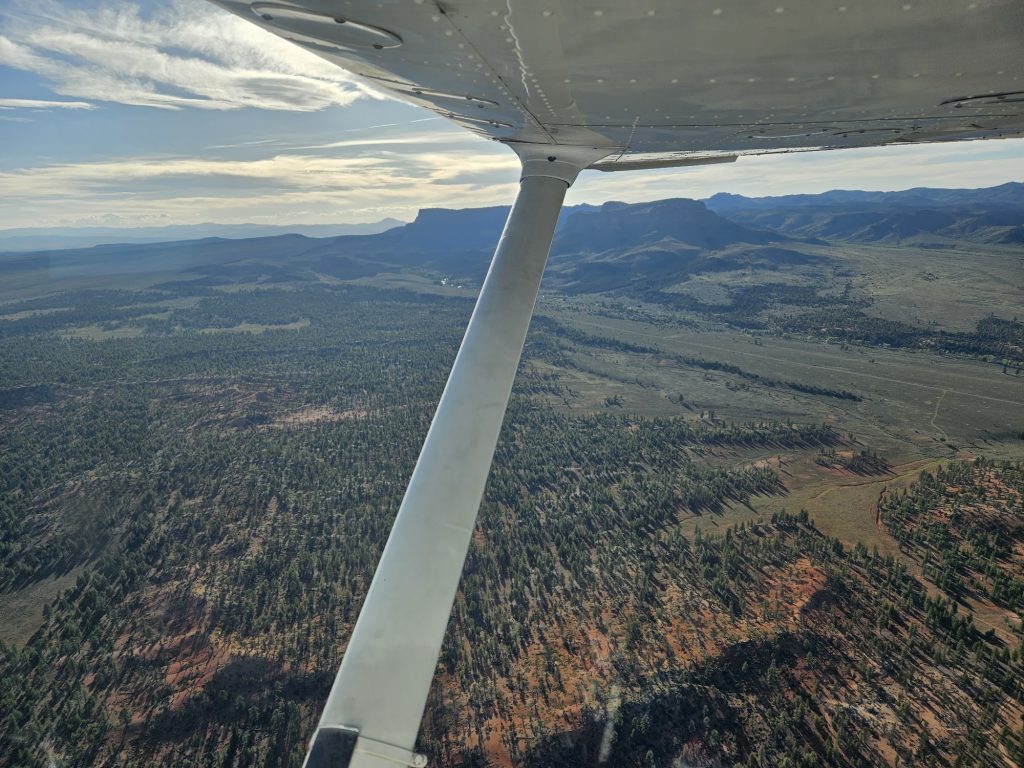
The checkride has an oral portion and a usable flight portion. Your instructor should give you a clear list of weak areas before signing you off. Ask for a mock oral exam and a mock flight if you feel unsure.
Scenario-based learning can build skills through applied tasks. Aviation works the same way. Practice a decision in context, then explain why you made it.
By now you should have a current logbook, the needed endorsements, a passed knowledge test, and a plan for the checkride. If one item is missing, fix it before scheduling the exam.
Step 5: Earn Your Certificate and Plan the Next Ratings
Once you pass the checkride, you can use your private pilot privileges within the limits of your certificate and ratings. The next step depends on whether you want personal flying or a professional cockpit.
A private pilot certificate lets you act as pilot in command for allowed operations, but it does not let you accept payment for carrying passengers. An instrument rating teaches you to fly by reference to instruments under instrument flight rules. It is a key step for pilots who plan to work professionally.
After that, many career students work toward a commercial pilot certificate. A multi-engine rating adds authorization to fly aircraft with more than one engine. A flight instructor certificate can then help you build flight time while teaching other students.
Axiom Aviation’s fleet includes seven Cessna R172K Hawk XPs and a Piper Twin Comanche. That twin-engine aircraft gives airline-track students a direct place to build multi-engine skills instead of treating the rating as an afterthought.
Cost comparisons need care. The median listed cost was $18,171, while the mean reached $27,652 because one $83,419 university program pulled the average upward. The median is more useful when you want to understand what most listed programs cost.
Hidden charges were reported for nine schools in that dataset. The disclosed extras ranged from $48 to $140, but the bigger issue is that many schools did not publish enough detail to compare them cleanly. Ask for a full written estimate before you enroll.
Training tools also vary. Only five of the 31 entries mentioned a simulator type. Job placement rates were missing for every school, and housing was almost never listed. Ask for outcome data directly. If a school cannot show how graduates move into instructor work or later airline paths, treat that as an unanswered question.
For students who want a direct career plan, Axiom Aviation’s Zero to Hero program is designed to move from no private certificate toward commercial and instructor ratings. Review the Zero to Hero flight training pathway and compare its schedule with your work, family, and budget needs.
Your next rating should match your goal, not simply fill the next open slot. Sit down with your instructor after the private checkride and map the next twelve months.
Frequently Asked Questions About Learning to Fly a Plane
How long does it take to learn to fly a plane?
It often takes several months to earn a private pilot certificate, but the timeline depends on lesson frequency, weather, aircraft access, and your study pace. Flying two or three times each week usually gives you better continuity than scattered lessons. Career training takes longer because it adds instrument, commercial, multi-engine, and instructor ratings.
How much does it cost to learn to fly a plane?
The cost varies by school, aircraft, training pace, and total hours needed. A review of Utah and Idaho schools found a median listed training cost of $18,171 among programs with available data. Ask for a written estimate that includes aircraft time, instruction, testing, supplies, and any insurance or airport fees.
Do I need experience to start flight lessons?
No, you do not need prior flight experience to begin. A discovery flight gives you a safe first look at the cockpit and lets an instructor assess your goals. You should still ask an Aviation Medical Examiner about the right medical certificate before committing to a career-focused program.
Is a private pilot certificate enough to become an airline pilot?
No, a private pilot certificate is the first major step, not the final airline credential. You will typically need an instrument rating, commercial certificate, multi-engine training, and instructor ratings. Then you must build the flight experience required for an Airline Transport Pilot certificate and meet an airline’s hiring standards.
How should flight training options be compared?
Compare the training formats available at each school. The better fit depends on your available time, career goal, and preferred learning style. Ask each school how its program handles stage checks, credit for prior training, instructor changes, and missed lessons.
Conclusion
Start with a medical review and a discovery flight, then choose a school that shows the full path and full cost in writing. For aspiring airline pilots in Utah or Idaho, Axiom Aviation is worth a close look because it combines multiple locations, structured career training, a twin-engine aircraft, and a stated no-hidden-fees policy. Your next action is simple: write down your goal and schedule a school visit.