
A Seattle instructor may show an $80 hourly rate beside an annual figure of $48,000. That gap reveals the main problem with flight instructor salary data: paid hours aren’t always steady. We’ll show you how to read salary figures, estimate your own income, build higher-value ratings, and choose a training path toward the airlines.
Quick answer: A flight instructor salary depends on location, ratings, employer, and how many billable hours you fly. Reported hourly figures range from the high $20s to $80 or more per paid hour, such as $28.82 in Arizona and $48.70 in Texas, so annual income varies widely. Adding CFII and MEI ratings and working at a busy school are the most common ways to earn more.
Source: U.S. Bureau of Labor Statistics: Airline and Commercial Pilots
Step 1: Establish a Realistic Flight Instructor Salary Baseline
Start with a range, not one headline number. A flight instructor salary depends on billable hours, the school’s pay model, location, weather, and your ratings.
Published pay data shows a wide spread. Reported hourly figures run from $28.82 in Arizona to $43.31 in Colorado and $48.70 in Texas. Seattle appears at $80 per hour, but the same source lists annual pay of only $48,000. That is a warning sign, not proof that every Seattle CFI earns $80 per hour all year.
Annual data also varies sharply. Comparably lists a national average of $96,431. Its San Jose figure is $190,392. Indeed lists $257,618 for LOGMET LLC and $230,187 for Atlas Air, Inc. Those employer figures may reflect senior roles, corporate work, or a small group of reported salaries. Don’t treat them as a normal first-year CFI paycheck.
Use the figures as reference points. Then ask what each one measures:
- Is the rate for flight time only?
- Does ground or simulator teaching count?
- Is the annual figure based on full-time work?
- Does the employer provide benefits or paid non-flying work?
Broader aviation pay data can provide context, but it isn’t a precise CFI-only forecast. Read Wikipedia’s definition of a flight instructor for the basic role, then focus your own estimate on hours you can actually bill.
Step 2: Compare Flight Instructor Salary by Location and Employer
Compare the full work setting, not just the flight instructor salary on a job post. Location affects demand, rent, weather, aircraft access, and the number of students you can teach.
Texas sits at $48.70 per hour, Colorado at $43.31, and Arizona at $28.82. Other entries mix annual and hourly figures. Because the data comes from different sources and uses different fields, a direct state ranking would give you false confidence.
Weather is a major part of the math. A school may quote a good hourly rate, but frequent storms, winter conditions, or aircraft downtime can reduce your paid hours. A lower rate in a place with steady training demand may produce a better annual result.
Employer type matters too. A small Part 61 operation may pay by the hour and give you more control over your schedule. A large academy may provide a steadier student flow and a more fixed system. University programs may have added education or experience requirements.
Ask every employer these questions before you compare offers:
- What counts as paid time?
- How many flight hours do current instructors average each month?
- Are cancellations, no-shows, ground lessons, or simulator sessions paid?
- Who pays for required standardization or checkrides?
- What happens during slow weather months?
Axiom Aviation trains pilots in Ogden and St. George, Utah, plus Idaho Falls, Idaho. Our life as a CFI overview explains why monthly income can shift with student load and paid hours. That is the kind of detail you need before moving for a job.
Cost of living belongs in the same comparison. A higher wage can disappear into rent, transport, and relocation costs. Make a simple monthly budget before you accept a market with a higher headline rate.
Step 3: Calculate Your Expected Annual Income from Paid Flight Hours
Build your own estimate with paid hours, not aircraft time alone. Most CFIs earn through billable instruction, so a full schedule and a high rate are separate questions.
Use this basic formula:
Hourly rate × paid hours per month × working months = estimated annual income.
Imagine a CFI earns a paid-hour rate and receives payment for a set number of hours each month. At steady months, the gross estimate reflects that schedule. If weather or student gaps cut the schedule, the estimate falls. The rate stayed the same. The paid hours changed.
Now split your forecast into likely categories:
- Flight instruction
- Ground instruction
- Simulator instruction
- Checkride or evaluation fees
- Unpaid planning and record work
Some training schools pay for more than flight time. Others pay only when the aircraft moves or a lesson takes place. Ask for a sample pay statement. It can show whether preflight work, student cancellations, and ground lessons affect your actual income.
One research source places entry-level CFI rates around $25 to $40 per hour, with higher ranges for CFII and MEI work. Treat those figures as broad estimates. The available salary data has only nine entries, and it lacks consistent information about experience, benefits, employment type, and extra compensation.
A broader pilot outlook can be useful for career research, but it doesn’t replace a written offer from a flight school. Build a low case, a likely case, and a strong case. Base each one on paid hours you can defend.
Keep taxes, health costs, housing, and aircraft travel out of the gross figure until you know the employer’s terms. A paycheck estimate is useful only when it matches your actual monthly bills.
Step 4: Build the Qualifications and Experience That Raise Your Earning Potential
Raise your earning potential by becoming useful for more kinds of training. A flight instructor certificate gets you started, but advanced ratings can widen the work you can accept.
First, earn the CFI certificate and build a record of safe, clear instruction.
Next, consider the Multi-Engine Instructor rating, or MEI. Multi-engine work involves added systems, procedures, and emergency training. Schools may need fewer MEIs than basic CFIs, so this rating can make you more useful when multi-engine students need an instructor.
Track the right experience. Total flight time matters, but dual given matters too. Dual given is the time you’ve spent teaching another pilot. Keep a clean log of lessons, aircraft types, student stages, and endorsements.
Your teaching habits also affect future work. Chief pilots notice instructors who:
- Arrive ready for the lesson
- Keep accurate student records
- Explain risk in plain language
- Follow the school’s safety process
Those habits can lead to more students or added roles. They also make your airline application stronger because instruction tests your judgment and communication.
Some structured academies tie instructor work to hour building. One published program says eligible instructors may build toward 1,500 hours in about 18 to 24 months, though each school’s workload and requirements differ. Axiom Aviation’s commercial pilot timeline gives another view of how monthly instruction hours can affect progress.
Don’t chase a rating only because someone promises a higher rate. Confirm that local students need that training and that the school has suitable aircraft. A qualification helps most when you can use it every week.
Step 5: Evaluate Offers and Choose a Flight Training Path to the Airlines
Choose the offer that moves both your finances and your logbook forward. A flight instructor salary is only one part of an airline path.
Compare each offer on four points:
- Paid work: Find out how many hours are typical, not just the top month.
- Training access: Ask whether you can teach instrument or multi-engine students.
- Schedule: Learn how weather, maintenance, and student cancellations affect your week.
- Career support: Check for standardization, mentor roles, and help with airline applications.
Benefits can change the result. A lower hourly rate may come with health coverage, retirement support, paid leave, or pay for administrative work. A higher freelance rate may leave you to cover those costs yourself.
Ask for the full path in writing. You want to see the training cost, expected CFI start point, aircraft access, payment rules, and steps after you reach airline hiring minimums. Don’t rely on a verbal promise that you’ll stay busy.
At Axiom Aviation, we focus on a clear path from early certificates through commercial training and instructor ratings. Our pilot pay scales page gives general pay examples while warning that instructor income changes with hours and student count. Use those figures as planning tools, not guarantees.
Ask how the school handles safety when the schedule gets full. A strong program should let you pause a lesson for weather or risk concerns without pressure. Good instruction is built on sound decisions, not on forcing one more paid hour into the day.
Also check whether the school has a path to 1,500 hours. You may reach that goal faster with a steady student load, but speed alone isn’t enough. You need sound habits, useful experience, and a record you can explain to an airline recruiter.
CFI Training and Instructor Pay in Utah
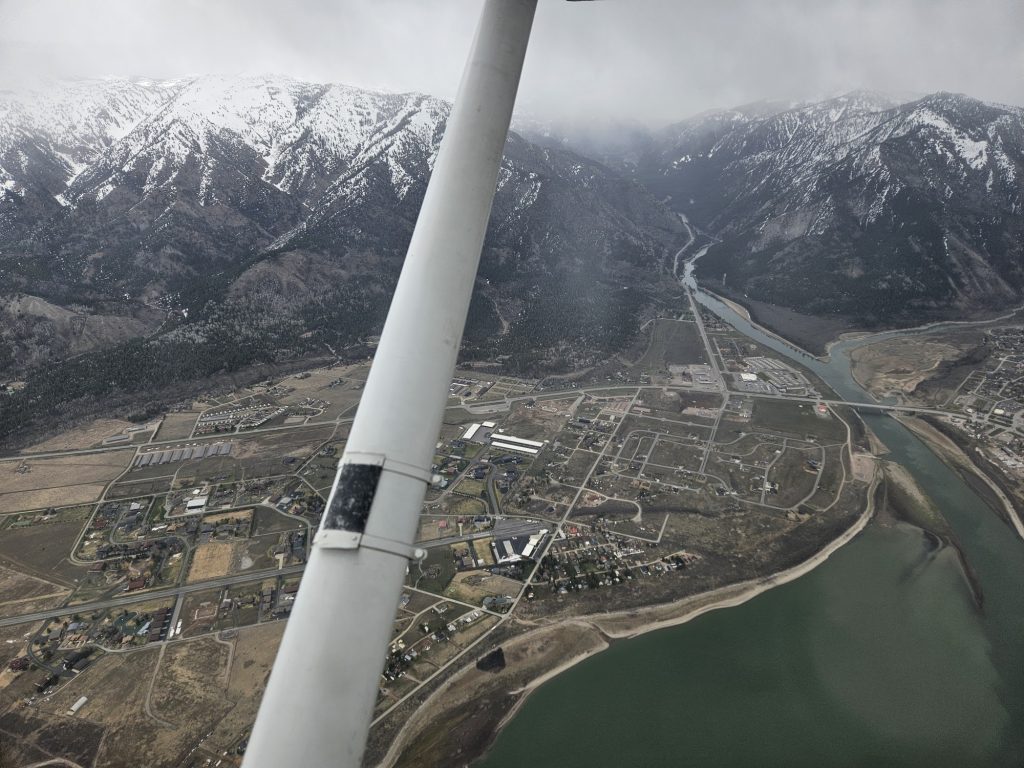
Your flight instructor salary depends heavily on how many hours you can fly, and busy training airports help. Axiom Aviation’s Accelerated CFI program helps commercial pilots earn their initial CFI certificate quickly, with campuses in Ogden and St. George that support year-round training.
- Ogden – Ogden-Hinckley Airport (KOGD): Axiom’s main campus at 4221 Airport Road, Ogden, UT 84405. It’s a towered field with instrument approaches, and Salt Lake City’s Class B airspace is minutes away, so students across Northern Utah and the Wasatch Front get early experience with tower communications, airspace transitions, and mountain terrain.
- St. George – St. George Regional Airport (KSGU): Axiom’s Southern Utah campus at 4196 S. Airport Parkway, St. George, UT 84790. More than 300 flyable days a year, density altitude, and red rock terrain toward Zion make it a strong place to train consistently.
Ready for the next step? Book a discovery flight, schedule a campus tour, or contact Axiom Aviation at (262) 297-4568 to talk through your training plan in Ogden or St. George.
Flight Instructor Salary FAQs
How much does a flight instructor make per hour?
Is flight instructor pay hourly or salary?
Does a CFII or MEI increase flight instructor salary?
Is flight instructing a good path to the airlines?
Why do flight instructor salary numbers differ so much?
How do I become a flight instructor in Utah?
Conclusion
Use a conservative paid-hour estimate before you compare flight schools. Then choose the program that gives you safe instruction, steady student access, and a clear route toward advanced ratings and airline minimums. If you’re ready to begin your aviation journey, review Axiom Aviation‘s training options and build a written budget before your first lesson.