
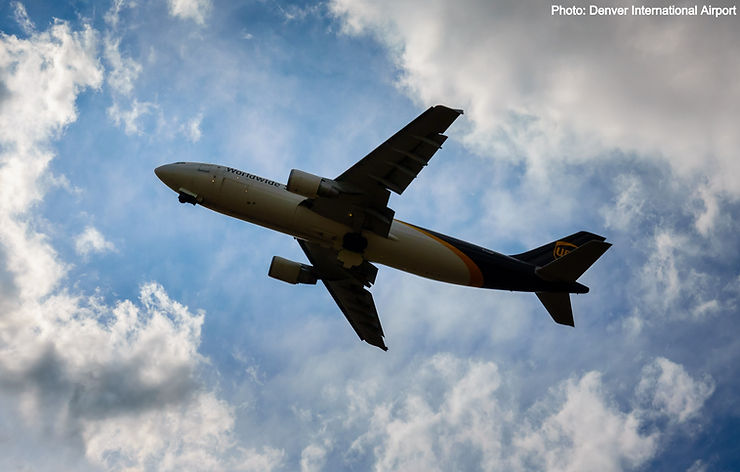
For years, aspiring pilots have heard about the pilot shortage. It often gets blamed for every airline problem. Fortunately for aspiring pilots, it is the cause of many problems. Because of this, opportunities are opening for new pilots at a dramatic rate. Employers also have to pay pilots more to attract new candidates and retain their existing staff. But why does the shortage exist? How long will it last? And what does it mean for aspiring pilots?
Current State of Things
Across the country, airlines are increasing pay and benefits for pilots. The most significant pay increases came last year when most regional carriers doubled pilot pay. Major carriers have also increased pilot pay dramatically by giving all pilots substantial bonuses of up to 30%. Major carriers such as Delta, United, American, Southwest, and Alaska lowered hiring minimums. That made it easier for young pilots to move up.
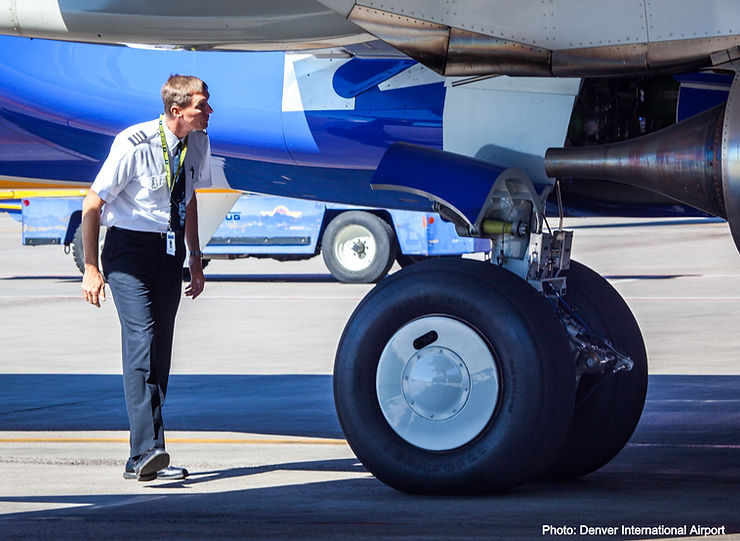
Regional airlines, on the other hand, remain the entry point for most pilots. With a firm 1,500-hour minimum, regional carriers struggle to hire and keep enough pilots. Some pilots stay at a regional for their whole career. Most move on, though, so many majors cut their hiring minimums to 2,000 or 2,500 hours. By doing so, they drain the regionals of their pilots but temporarily fix their own problems.
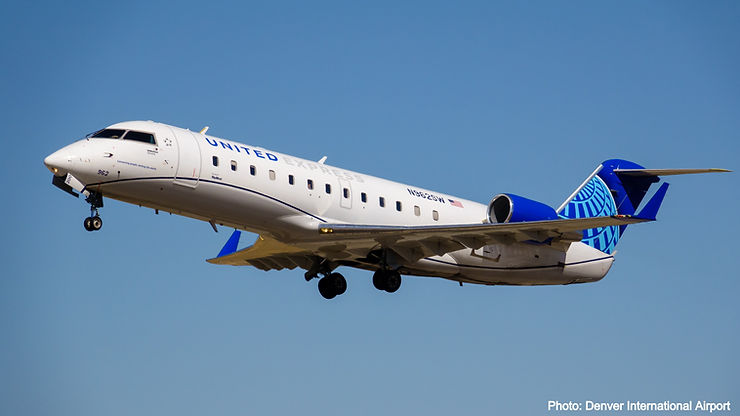
That is great news for aspiring pilots. Airlines raised pay and worked hard to attract pilots. New pilots now have countless opportunities that were not previously available. Many of these opportunities lie outside of the airlines also. Higher airline pay also opened charter and corporate jobs, as those pilots left for the airlines. There is no better time than now to start an aviation career.
If Being a Pilot is so Lucrative, Why is there a Shortage?
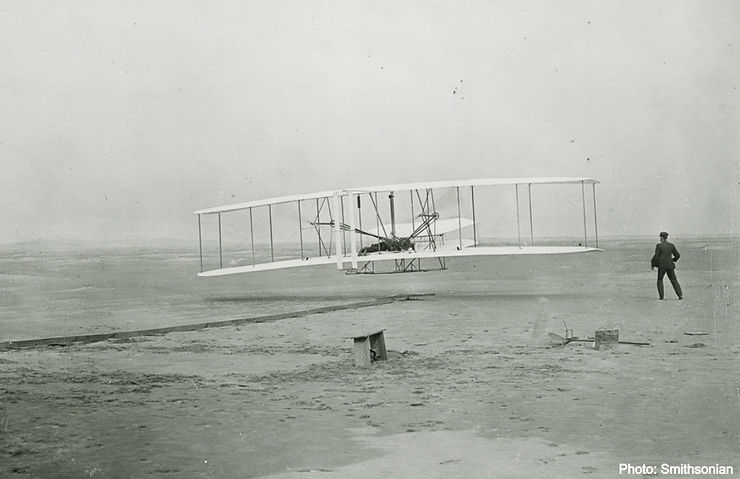
Since the Wright Brothers first took to the sky, countless individuals have dreamed of flying. Many fulfilled those dreams in the First and Second World Wars. Following the wars, the airline industry was born with thousands of surplus pilots and planes. In the late 20th century, the public saw airline pilots as heroes, and air travel kept growing.
That was until September 11th, 2001. After 9/11, the industry nearly stopped. Only a fraction of frequent fliers kept flying. This led to a massive downturn in the industry. The industry recovered after a few years. Then the 2008 recession hit. Again the industry was shaken, and many pilots were laid off.
That hit was milder than 9/11, so recovery came faster. Within a few years, airlines were back to setting records in passengers carried and profits made. But there was an unforeseen consequence from the years of hardship. That consequence was the looming pilot shortage.
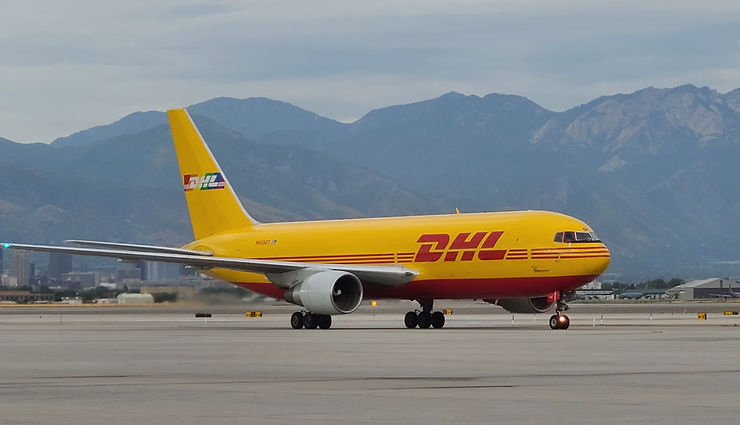
For decades there was a surplus of pilots as it was a lucrative career. However, during the 90s, it began to lose some of its appeal as aviation was less glorified by the media. The economic turmoil of the 2000s made many people doubt that airlines offered stable careers. For these reasons, the number of pilots entering training slowed considerably.
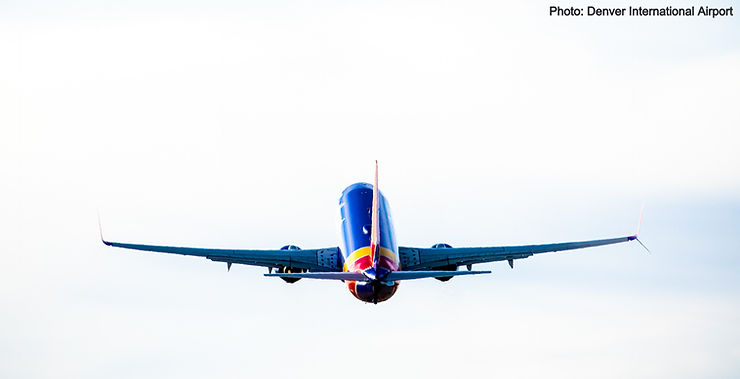
In 2013 Congress introduced a requirement that all aspiring airline pilots must first acquire 1500 flight hours. This pushed the pilot hiring process back considerably.
For years aviation experts have warned of a coming pilot shortage. In 2019, many of the first signs began to arise as airlines missed their recruitment goals, albeit by small margins. Meanwhile, pilots hired late in the “Golden Age of Aviation” began to retire.
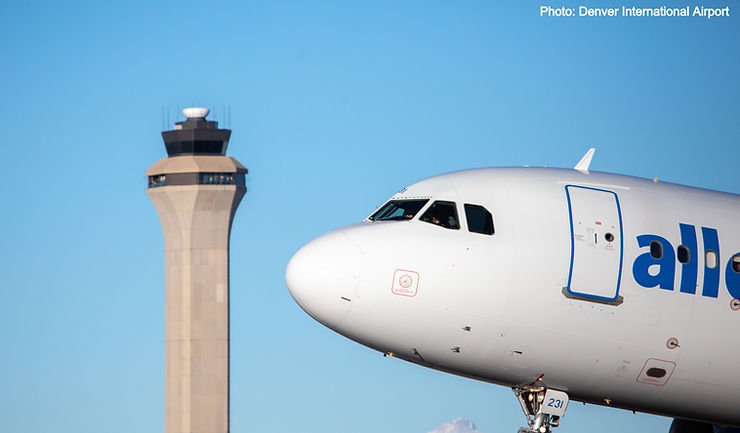
Then came the COVID-19 pandemic. Then the pandemic stopped air travel again, and airlines had too many pilots. Airlines offered early retirement to pilots near retirement age, and many accepted. This temporarily helped with the pilot surplus issue. However, after two years of limited travel, the US and most of the globe reopened to air travel.
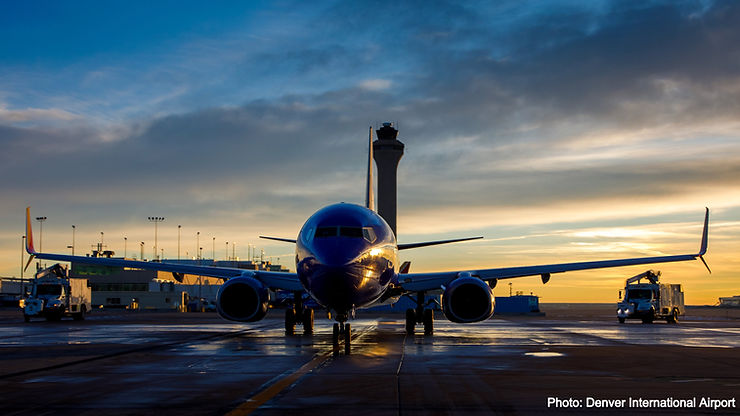
Soon after, a wave of demand caught airlines unprepared. At that point, the pilot shortage had arrived, and airlines felt it hard.
Future Predictions
The pilot job market was the strongest it had ever been. Still, many asked how long it would last. Unfortunately, no one can truly predict the future. However, aviation experts speculate that the shortage will last for roughly five more years.
Based on demand, retirements, and training trends, many airlines expected the sharpest shortage to ease around 2028. That doesn’t mean hiring will stop. It means airlines won’t be as desperate for new pilots.
To all aspiring pilots, there has never been a better time to start flight training and become a pilot, as the industry will only be getting more and more lucrative for the next several years. Beyond those years, it will likely always offer consistent opportunities for growth, making for an excellent career path.
Have questions about flight training? Call us at 262-297-4568. Or email us at info@flyaxiom.com.
For official rules and guidance, review the Bureau of Labor Statistics pilot career outlook and the FAA’s Become a Pilot resources.