
The private pilot written exam gets easier when you study the right material in the right order. You need broad knowledge, steady practice, and a plan that ties each question to flight training. Follow these five steps to check your eligibility, study the FAA knowledge areas, practice charts and calculations, and turn your score into checkride progress.
Step 1: Confirm Your Eligibility and Exam Requirements
Before you study for the private pilot written exam, confirm that you can take it and that your records are ready. The FAA says a private pilot knowledge test applicant must be at least 15 years old. The private pilot certificate itself requires you to be at least 17 for an airplane rating.
You also need enough English ability to read, speak, write, and understand the language used in aviation. Bring an acceptable form of identification with your photo, signature, and residential address. Check the testing center’s current document rules before you book a seat.
For the certificate, the FAA requires ground training or an approved home-study course. An authorized instructor must then endorse your logbook and confirm that you’re ready for the knowledge test. Review the applicable requirements before proceeding.
Set up your FAA Tracking Number through the appropriate FAA registration system if you don’t have one. Keep your FTN with your training records. You’ll use it during later certification steps, so use the same legal name throughout your applications.
Ask your instructor which test you need. Most airplane students take the knowledge test for their aircraft category. Don’t assume that every private pilot test uses the same aircraft category or study material.
Finally, ask your instructor when you’ll receive the endorsement. A practice score alone may not meet your instructor’s standard. Your CFI needs to see that you understand the material well enough to use it in flight.
Step 2: Build a Study Plan Around the Exam Knowledge Areas
A good private pilot written exam plan follows the FAA knowledge areas instead of a random question bank. Start with the available knowledge test guidance, then ask your instructor which chapters and practice tools match your aircraft and course.
Break your study into short blocks. Each block should have one clear target, such as airspace, weather, aircraft systems, or weight and balance. Read the concept first. Then answer questions without looking at the explanation. Write down why you missed each answer.
Your core study list should include:
- Federal aviation rules that apply to private pilots.
- Charts, airspace, airport markings, and VFR navigation.
- Weather reports, forecasts, hazards, and windshear.
- Aerodynamics, stalls, spins, and aircraft systems.
- Performance, density altitude, weight, and balance.
- Radio procedures and basic aeronautical decision-making.
- Preflight planning, fuel needs, runway data, and alternate plans.
Use a four-week rhythm if your schedule allows. Spend the first week on rules and airspace. Move into weather and aircraft systems next. Use the third week for performance and navigation. Reserve the final week for mixed tests and weak areas.
A FAA written test prep study plan can explain each answer and use figures, legends, and charts to help you learn how a question works, not just memorize a letter.
Don’t chase a perfect score on one practice session. Look for stable results across several full tests. A score that rises because you remember the answer order isn’t proof that you understand the subject.
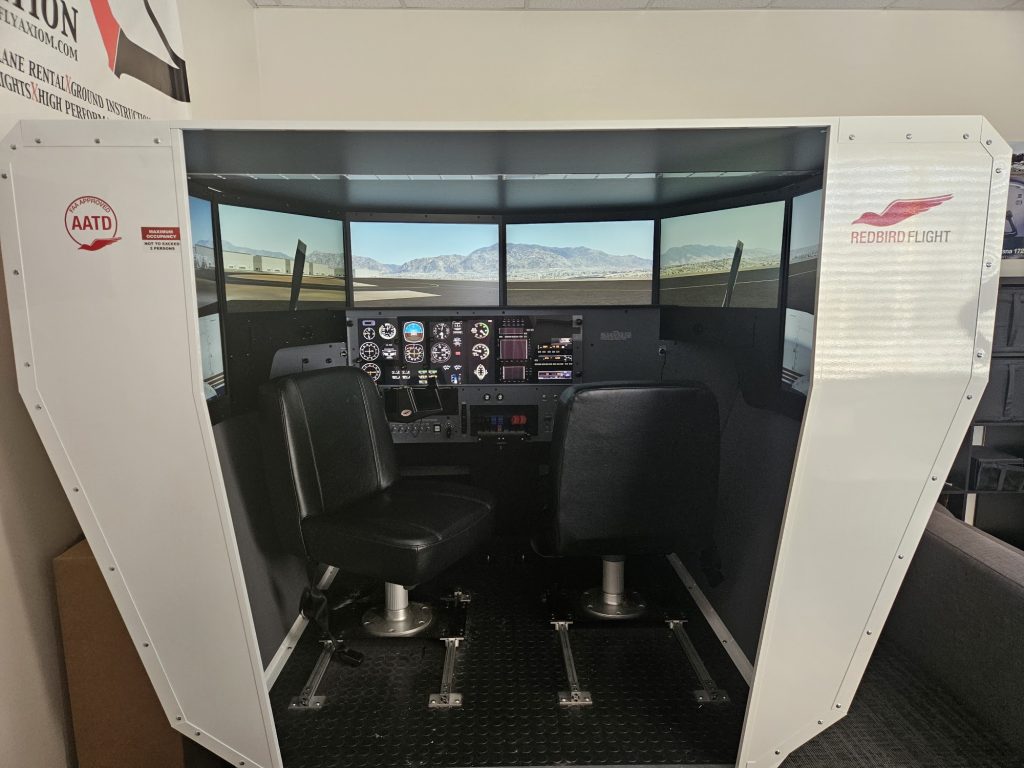
At Axiom Aviation, we encourage students to connect ground lessons with each flight. A weather lesson should lead to a briefing before takeoff. A weight and balance lesson should use the aircraft you’ll fly. That link helps the information stick and supports your path to begin your aviation journey.
Keep your plan visible. A calendar with four study blocks per week is more useful than a vague promise to study harder.
Step 3: Practice the Calculations, Charts, and Scenario Questions
The private pilot written exam tests more than memory. You need to read a chart, choose the right figure, set up a calculation, and explain what the answer means for a flight.
Start with the testing supplement. Learn where to find legends, airport data, sectional symbols, and measurement tools before test day. Practice with the same style of chart you expect to see at the testing center.
Work through the calculations by hand. Focus on:
- Weight and balance moments.
- Fuel burn and endurance.
- True airspeed and wind correction.
- Density altitude and aircraft performance.
- Time, distance, and groundspeed.
When you miss a calculation, don’t only mark the correct number. Find the first wrong step. You may have used the wrong arm, read the wrong chart scale, or mixed statute miles with nautical miles. That diagnosis is more useful than repeating the question.
Scenario questions need the same treatment. Read the full prompt before looking at the options. Ask what the pilot knows, what has changed, and which rule or risk applies. For example, a weather question may test whether you recognize a hazard before it asks for a minimum or forecast value.
Use teach-back practice with another student or your instructor. Explain why an answer is right without repeating the answer key. If you can’t explain the choice in plain words, return to the source material.
Full practice exams can help you judge readiness. Use a timer, sit at a desk, and keep your phone away. Aim for repeated scores above the passing mark with room for a hard test day. Your instructor may set a higher target before giving the endorsement.
Step 4: Schedule and Take the Private Pilot Written Exam
Schedule the private pilot written exam when your study results are steady and your instructor agrees that you’re ready. Booking too early can add pressure. Waiting too long can let your flight lessons and study work drift apart.
Before you select a date, confirm four details:
- The exact exam name and aircraft category.
- Your testing authorization or instructor endorsement.
- Your acceptable identification.
- The testing center’s arrival time and rules.
Read the center’s instructions about calculators, personal items, and identification. Pack only what the center allows. Bring your authorization and documents in a folder so you don’t have to search through your flight bag at check-in.
During the test, read each question slowly. Mark hard questions and return to them later if the system allows it. Eliminate answers that conflict with a known rule, then use the chart or figure instead of guessing from memory.
Watch your time without rushing. A steady pace gives you room to reread a confusing scenario and check a calculation. If two answers seem close, identify the exact condition that separates them.
Don’t treat the exam as a measure of your worth as a pilot. It is one test of aeronautical knowledge. Your goal is to learn enough to make sound decisions in the airplane, then keep building that knowledge during flight training.
At Axiom Aviation, a written-test plan fits best when it stays tied to your larger training path. If you’re working toward an airline career, keep your study habits steady now. Good habits will matter again for instrument, commercial, and flight instructor exams.
Step 5: Review Your Score and Prepare for the Checkride
Your score report is a study map, whether you pass or not. The private pilot written exam report identifies knowledge areas tied to missed questions, so save it and review each code with your instructor.
If you pass, don’t file the report away and forget it. Bring weak areas into your next ground lesson. A passing score can still hide gaps in weather, airspace, navigation, or aircraft performance.
If you don’t pass, take a breath and use the report. Don’t retake the same bank of questions until the answers feel familiar. Study the source material tied to each weak area, then ask your instructor for the required additional training and endorsement.
The knowledge test is only one part of the private pilot path. The checkride includes an oral exam and a flight test. The examiner may ask you to explain decisions that connect directly to written-test topics, such as fuel planning, aircraft limitations, weather risks, or an alternate plan.
Build a checkride binder or digital folder with:
- Your test report and instructor endorsements.
- Aircraft limitations and performance data.
- Weather and cross-country planning practice.
- Documents your instructor wants reviewed.
- A list of questions you still answer slowly.
The FAA says a satisfactory knowledge test remains valid for 24 calendar months. That gives you time, but it isn’t a reason to pause training. Keep flying when you can, review a small topic after each lesson, and ask your instructor to connect mistakes in the air with the knowledge areas on your report.
Our checkride guide explains how the oral and flight portions fit together. Understanding that handoff early can make your study feel less like separate tasks.
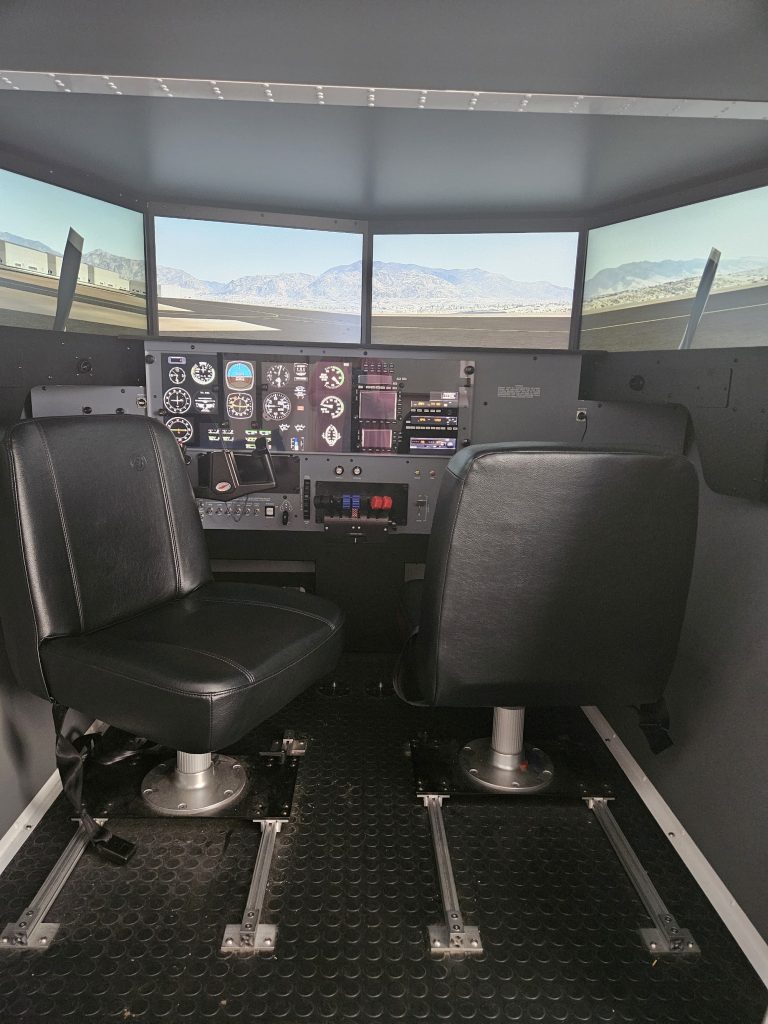
Axiom Aviation uses flight training, ground instruction, and advanced technology to support that wider path. Its high-fidelity simulator is a useful example of how study concepts can connect to cockpit decisions. Still, simulator access does not replace sound instruction or aircraft time.
Public information about prep programs is often thin. That gap means you should ask direct questions about instructor support, training flow, and what happens after a missed topic instead of judging a school by price alone.
FAQ
How many questions are on the private pilot written exam?
The private pilot knowledge test has 60 scored multiple-choice questions, and you need at least 70 percent to pass. The test covers several FAA knowledge areas, so don’t study only the topics you enjoy. Your practice plan should include charts, weather, regulations, performance, and decision-making.
How long should I study for the private pilot written exam?
Most students should spread study across several weeks instead of cramming. Your pace depends on flight experience, available time, and the areas you already understand. Use short study blocks, track missed questions, and book the test after your scores stay above your instructor’s target on full practice exams.
Do I need an instructor endorsement to take the test?
Yes, most private pilot applicants need an authorized instructor’s logbook endorsement or another accepted form of authorization. The instructor must confirm that you completed the required ground training or home study and are ready for the knowledge test. Ask your CFI what records and score level they require.
What happens if I fail the private pilot written exam?
If you fail, your score report shows the knowledge areas that need more work. Review those areas with an authorized instructor and complete the required additional training before a retest. Treat the report as a focused study plan. Repeating practice questions from memory won’t fix a weak understanding of the subject.
Is the written test enough to get a private pilot certificate?
No, passing the written test is only one requirement. You must also meet the certificate rules, complete the required training and aeronautical experience, and pass the practical test. The practical test includes oral questions and a flight portion, so keep studying after the knowledge exam.
Conclusion
Study by FAA knowledge area, practice with charts and calculations, and review every missed question with your instructor. If you want a training path that connects ground lessons with flight work, speak with Axiom Aviation about your next step. Then set a study date, open your error log, and begin your aviation journey.