
A checkride is the final test between flight training and a pilot certificate or rating. It tests more than stick-and-rudder skill. The examiner also looks at your knowledge, judgment, and ability to manage risk. Here’s what happens, how to prepare, and what a pass or failure means for your next step.
What Is a Checkride?
A checkride is a practical test for a pilot certificate or rating. You may take one for a Private Pilot License, instrument rating, commercial certificate, flight instructor certificate, or advanced qualification.
A Designated Pilot Examiner, or DPE, conducts most checkrides. The DPE is an experienced pilot authorized to evaluate applicants. Your flight instructor trains you and recommends you for the test. The DPE makes the final decision.
The test checks three connected areas. You must show what you know, how you manage risk, and how you fly. That means a pilot can perform a maneuver well but still struggle if they make an unsafe choice or cannot explain the decision.
The standards cover each certificate and rating.
For a private pilot, the examiner may ask you to plan a cross-country flight. They may ask about weather, airspace, aircraft documents, fuel, performance, or an emergency on the route. Then you must apply that knowledge in the airplane.
A checkride usually takes several hours from start to finish. The oral portion often lasts one to three hours. The flight portion commonly takes about one to two and a half hours, depending on the certificate, examiner, weather, and test flow.
At Axiom Aviation, we treat the checkride as part of the training path, not a surprise event at the end. Students preparing for flight school can also review our Private Pilot License in Utah step-by-step guide to see how preparation fits into the wider PPL process.
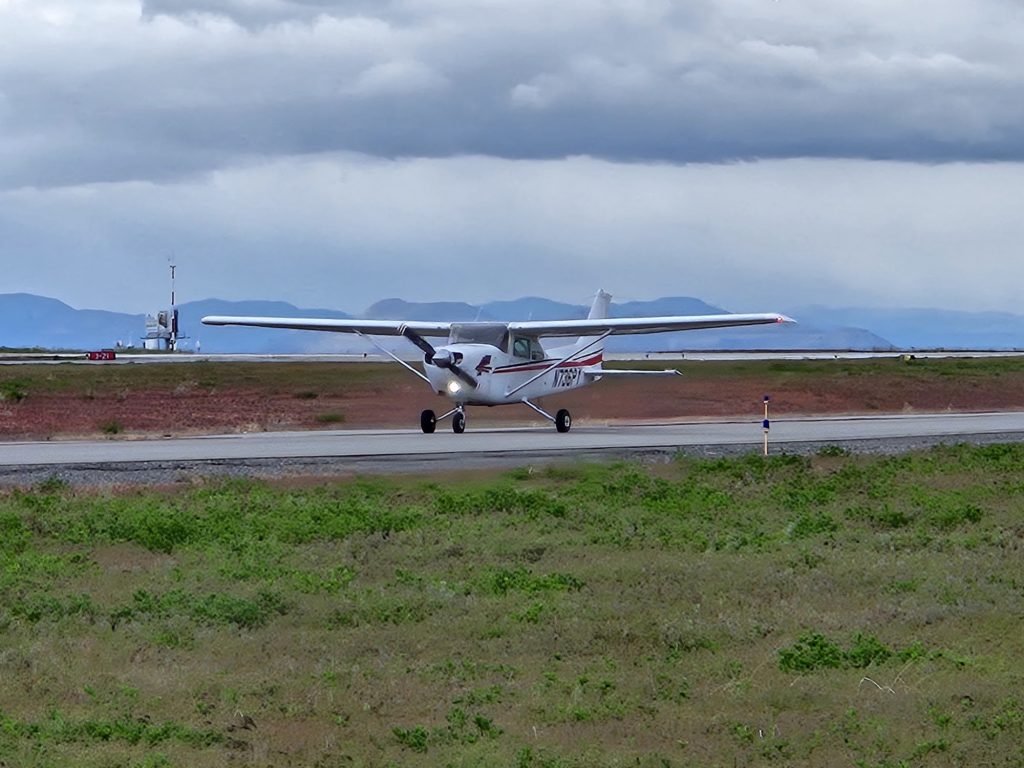
The Two Parts of a Checkride: Oral Exam and Flight Test
When people ask what is a checkride, the short answer is a two-part practical test. You must complete the oral exam and the flight test, though the order and exact flow can vary by examiner.
Part one: the oral exam
The oral exam usually starts after the DPE checks your identity, application, logbook, endorsements, and aircraft records. Missing paperwork can delay the test before you ever reach the airplane.
The questions are often built around a scenario. For example, the DPE may ask you to plan a trip from your home airport. Then the conversation may move into weather, fuel reserves, airspace, aircraft inspections, or a diversion.
Common subject areas include:
- Pilot privileges, limitations, and currency.
- Weather reports and go or no-go decisions.
- Airspace rules and VFR weather minimums.
- Aircraft systems and required equipment.
- Weight and balance calculations.
- Navigation, fuel planning, and diversions.
- Emergency procedures and risk management.
You may use approved reference material during the oral exam. Charts and aircraft records can help you confirm a detail. But those materials should support your knowledge, not replace it. If you need to look up every basic rule, the DPE may question your readiness.
Part two: the flight test
After the oral, you move to the aircraft. You remain pilot in command during the flight. That means you manage the preflight, radio work, traffic scan, checklists, and decisions.
The flight may begin with a planned departure or cross-country route. The examiner may then ask for a diversion or move to a practice area. Tasks depend on your certificate, but a private pilot applicant may demonstrate steep turns, slow flight, stalls, emergency procedures, takeoffs, landings, and navigation.
The DPE does not expect every landing to look perfect. A small deviation that you recognize and correct may not end the test. Repeatedly ignoring a deviation, losing awareness, or making an unsafe choice is more serious.
Our checkride preparation guide for Utah pilots focuses on that difference. The goal is not to memorize a routine for one examiner. It is to build habits that hold up when the plan changes.
Think of the test as a flight with an evaluator in the other seat. State what you plan to do. Clear the area. Use the checklist. If conditions change, make a safe choice and explain it.
How Checkrides Are Scheduled and Prepared For
Preparing for a checkride starts well before you book a date. Your instructor must first decide that you meet the required training standard and can perform the required tasks with consistency.
Most students schedule the test after their CFI provides a recommendation. The school or student then works with a DPE to find a date, aircraft, and location. DPE availability can affect the timeline, so waiting until the last week can create a problem.
Weather and maintenance can also force a change. A delay for those reasons is not the same as a failure. The examiner may issue a Letter of Discontinuance, which gives you credit for the parts you already completed.
Build a checkride packet
Start the application through the applicable online application system before test day. Confirm that your name, certificate details, and instructor endorsements match across your records. Ask your CFI to review the application instead of finding an error at the airport.
Your packet may include:
- Government identification and pilot certificate.
- Medical certificate or other accepted qualification.
- Knowledge test report.
- Logbook with required endorsements.
- Aircraft airworthiness and registration documents.
- Weight and balance information.
- Current charts and a flight plan.
- The current standards document.
For a private pilot airplane certificate, aeronautical experience requirements apply.
Do not study only the maneuvers you like. Read every task in the standards document. Mark the knowledge elements you cannot explain without help. Then ask your instructor to turn those weak spots into short practice sessions.
Use a mock checkride
A mock checkride should feel slightly uncomfortable. Another instructor can conduct the oral without rescuing you. In the airplane, they can give instructions in a new order and watch whether you stay ahead of the flight.
Practice speaking out loud. Explain why you chose a route, what weather would stop the flight, and how you would respond to an engine problem. Good answers show a decision process, not a memorized phrase.
Training hours, simulator time, and pass rates were left unstated. That gap makes it hard for students to compare schools. Axiom Aviation’s promise of safe, cost-effective training with no hidden fees gives future pilots a clearer starting point when they ask what their training path includes.
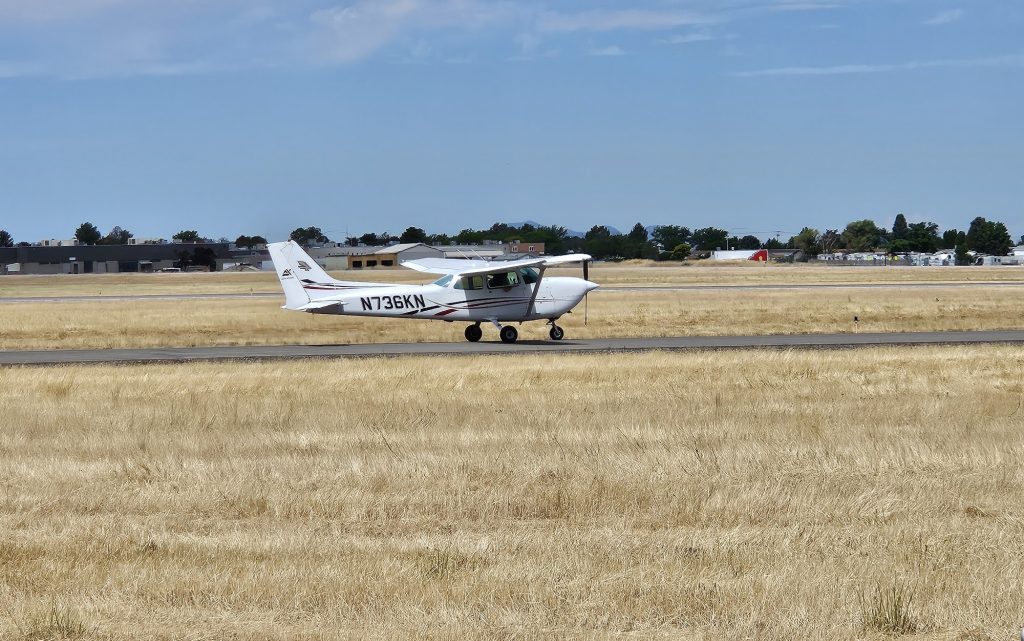
What Happens If You Pass or Fail a Checkride?
If you pass both parts, the DPE completes your application and may issue a temporary certificate. You can then use the privileges of the new certificate or rating, subject to its limits and conditions. The permanent certificate follows through the FAA process.
Passing the oral but failing the flight does not always erase the oral credit. The examiner records the unsatisfactory task on a Notice of Disapproval. Your instructor then provides more training in that area and decides when you are ready for another attempt.
The same process applies if you fail an oral task. The Notice of Disapproval identifies the area that needs more work. plan written from the examiner’s view.
There is no federally set number of extra flight hours after a failure. Your instructor must provide enough training to address the problem and endorse you for the retest. That could mean one focused lesson, or it could take longer if the issue involves judgment or a repeated habit.
If you retest within the allowed period, you may receive credit for tasks you passed. The examiner can still review other areas if needed to judge your competence. If too much time passes, you may have to repeat more of the practical test.
A weather, maintenance, or time problem is different. A discontinuation is not a failure. The examiner issues a Letter of Discontinuance, and you finish the remaining work later under the conditions set by the examiner.
One failed checkride does not end an airline goal. But future employers expect honest records and a clear explanation. Take responsibility, explain what changed in your training, and show that the event led to better habits.
The best response is focused work. Review the exact ACS task. Fly it with your CFI. Then repeat it in a mock setting before paying for another attempt.
Common Checkride Types and How Flight Schools Help
Every certificate or rating has its own checkride, but the same basic structure remains. The oral tests knowledge and judgment. The flight tests your ability to apply them.
Private pilot checkride
The private pilot checkride is often a student’s first practical test. It covers basic airmanship, navigation, weather, airspace, aircraft systems, and emergency planning. The certificate lets you act as pilot in command within private pilot limits.
A strong school builds these skills into normal lessons. You should not wait until the final week to learn how to plan fuel or explain a weather decision.
Instrument rating checkride
The instrument checkride tests flight by reference to instruments. You may need to fly instrument approaches, missed approaches, holds, and route changes while managing weather and communications.
Instrument training also changes how you think. The panel becomes your main source of flight information when outside visibility is limited. A school with access to training devices or a high-fidelity simulator can give you more chances to practice procedures before flying them in actual conditions.
Commercial pilot checkride
The commercial checkride raises the performance standard. It may include advanced maneuvers such as chandelles, lazy eights, steep spirals, and power-off accuracy landings. The examiner also expects stronger judgment and smoother aircraft control.
Flight instructor checkride
The flight instructor checkride asks you to teach. You must explain a maneuver, spot an error, and give a useful correction. The DPE may act as a student, so you must show both flight skill and teaching skill.
Our flight instructor certification guide explains why the CFI practical test demands more than simply flying within a tolerance. You must understand how to present the lesson and protect the learner while doing it.
Multi-engine checkride
A multi-engine checkride adds engine-out work and aircraft-specific systems knowledge. You must understand how the airplane behaves after an engine failure and how to control it during a high-workload event.
Schools differ in how they support these tests. At Axiom Aviation, checkride preparation is built into normal lessons. Students train in our Cessna fleet, complete multi-engine training in a twin for that rating, and can rehearse procedures in our high-fidelity flight simulator before flying them in the aircraft.
Wherever you train, ask direct questions before enrolling. Ask what aircraft you will use, how checkrides are scheduled, what fees are included, and how the school tracks readiness. Clear answers on aircraft availability, examiner scheduling, and total cost matter more than marketing claims, especially because pass-rate data is rarely published.
For aspiring airline professionals in Utah and Idaho, Axiom Aviation supports a longer path that can include private, instrument, commercial, and instructor training. We focus on safety and clear costs so you can plan the next stage without guessing what belongs in the budget. Begin your aviation journey with questions in writing, then choose the school that answers them plainly.
Checkride FAQ
What is a checkride?
A checkride is a practical test required for a pilot certificate or rating. It has an oral exam and a flight test. A designated pilot examiner evaluates your knowledge, risk management, and flying against the applicable certification standards. You must pass the required portions before receiving the certificate or rating.
How long does a checkride take?
A checkride often takes three to six hours from start to finish. The oral portion may last one to three hours, while the flight often takes about one to two and a half hours. The certificate, examiner, weather, paperwork, and test flow can all change the total time.
What do you do during a checkride?
During a checkride, you answer scenario-based questions and perform flight tasks from the applicable certification standards. The oral may cover weather, airspace, systems, regulations, and emergencies. The flight may include navigation, maneuvers, takeoffs, landings, and simulated emergencies. You remain responsible for safe decisions throughout the test.
What happens if you fail a checkride?
If you fail a checkride, the examiner issues a Notice of Disapproval that lists the unsatisfactory area. You then receive focused training from your instructor and obtain a new endorsement before retesting. Credit for passed tasks may remain available, depending on timing and the examiner’s review. One failure does not end a pilot career.
Can a checkride be discontinued without failing?
Yes, a checkride can be discontinued without a failure when weather, maintenance, illness, or time prevents completion. The examiner issues a Letter of Discontinuance rather than a Notice of Disapproval. You keep credit for completed portions and arrange a later date to finish the remaining tasks.
Conclusion
A checkride is a structured safety test, not a trick. Study the ACS, keep your paperwork clean, and practice explaining your decisions before you practice performing them. If you want a transparent path toward an airline career, speak with Axiom Aviation about your training plan, then ask your instructor to schedule a mock checkride when your skills are steady.