
A spin can begin with a stall, a slip in coordination, and one rushed control input. The airplane then seems to corkscrew toward the ground. Spin training teaches you to spot that chain early, recover with the PARE method, and build habits that keep an inadvertent spin from starting.
Most online lessons explain the recovery checklist. Far fewer point pilots to the guidance behind it. That gap matters, so we’ll cover both the hands-on method and the planning decisions that belong before the flight.
Step 1: Understand What Causes an Aircraft Spin
Spin training starts with one fact: a spin is an aggravated stall that sends an airplane down in a helical or corkscrew path. The standard definition of an aircraft spin describes the same basic event, an autorotation that follows a stall.
A spin needs two ingredients. First, the wing must exceed its critical angle of attack, which means the wing is stalled. Second, the airplane must have yaw, or a turning force around its vertical axis. An uncoordinated stall supplies both conditions.
Picture a slow turn near the runway. You pull back to hold altitude while the bank grows. Then you add too much rudder to tighten the turn. One wing drops because it has more angle of attack and more drag. The aircraft rolls and yaws toward that low wing.
Both wings are stalled, but they aren’t stalled by the same amount. The inside wing produces less lift and more drag. That difference keeps the aircraft rotating after the initial stall.
Several choices can build this setup without a pilot meaning to do it:
- Turning from base to final with too much bank and too little airspeed.
- Trying to stretch a glide instead of adding power.
- Using rudder to force the nose toward the runway after an overshoot.
- Ignoring a stall warning, buffet, or an unexpected wing drop.
- Flying with an aft center of gravity that makes it harder to lower the nose.
Weight and balance deserve special care. An aft center of gravity can reduce the elevator’s ability to lower the nose and reduce angle of attack. A flight may be recoverable at one loading point, then become far less forgiving after passengers or baggage move the center of gravity aft.
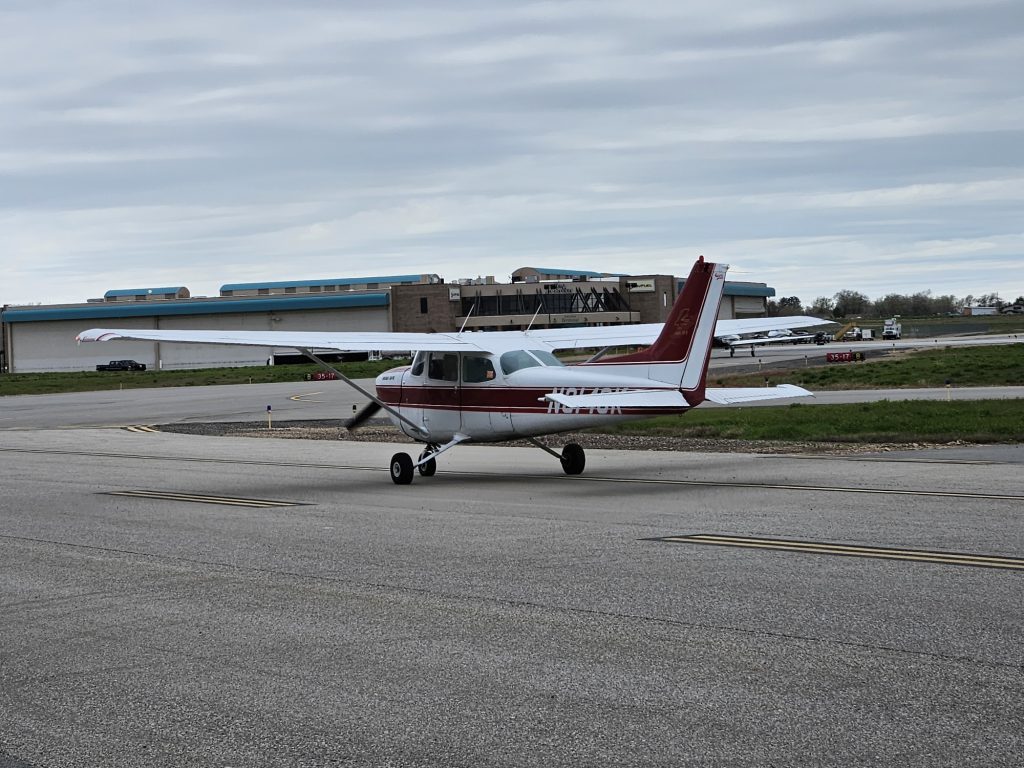
At Axiom Aviation, we treat this cause-and-effect chain as a cockpit skill, not a fact to memorize for a written test. Future instructors can connect spin awareness with the school’s accelerated CFI flight training, where the course description includes spin training among its flight work.
The key lesson is simple: a spin can’t happen without a stall. Prevent the stall, or recover at the first sign of an uncoordinated stall, and you may stop the event before rotation develops.
Step 2: Recognize the Spin Phases and Prevent an Inadvertent Entry
Good spin training helps you recognize the phase you’re in. A spin has an entry phase, an incipient phase, and a fully developed phase. Early action gives you more altitude and more options.
Entry phase
The entry begins as the aircraft approaches a stall with yaw present. You may feel the controls go light. The stall warning may sound. The nose can move off heading, or one wing may start to drop.
This is the best time to act. Lower the angle of attack, keep the wings coordinated, and add power as needed for a normal stall recovery. Don’t wait for a full rotation before deciding that something is wrong.
Incipient phase
During the incipient phase, the aircraft has stalled and rotation has begun. The nose may oscillate. The wing drop becomes clear, but the aircraft may not yet have settled into a steady turn.
Step-based training and scenarios can help pilots spot these conditions. The core lesson transfers well: recognize the setup before the aircraft reaches a stable spin.
Fully developed phase
A fully developed spin has a repeating rotation. Airspeed, rotation rate, and descent rate become more stable from turn to turn. A flat spin, where the nose sits closer to the horizon, can be much harder to recover from. Never assume that a technique from one airplane applies to another.
Preventive habits begin before the turn. Check your loading. Keep the ball centered. Use a go-around when the approach becomes unstable. If you overshoot final, stop trying to force the airplane back to the runway. Apply power, reduce the bank, and climb away.
Weather can make the same approach less forgiving. A gust or wind shear can remove airspeed in seconds. A high workload can also make a pilot fixate on the runway while missing the stall warning.
When you sense that the airplane is no longer flying cleanly, reset. Take one breath. Lower the nose. Stop the turn. The runway is never worth holding a bad attitude.
By the end of this step, you should be able to name the phase, identify the stall cues, and choose a go-around before the aircraft rotates.
Step 3: Apply the PARE Spin-Recovery Procedure
Spin training turns PARE into a short memory aid: Power idle, Ailerons neutral, Rudder opposite, Elevator forward. The acronym is useful, but your aircraft’s pilot operating handbook remains the final word.
Start by reducing power to idle. Power can increase nose-up pitch through propeller airflow over the tail. It can also add torque and other forces that keep the aircraft rotating. Removing power makes it easier to lower the nose.
Next, center the ailerons. Do not try to lift the low wing with aileron. That input can increase the angle of attack on the stalled inside wing and worsen the rotation. Neutral ailerons give both wings a better chance to unload evenly.
Then apply full opposite rudder to the direction of rotation. A left spin needs right rudder. A right spin needs left rudder. Hold the rudder until the rotation stops. Don’t jab at the pedal and release it too soon.
Finally, move the elevator forward to reduce the angle of attack. This step feels wrong because the ground appears to rise quickly. It is still the step that breaks the stall. You may need a firm forward movement, but don’t push farther than your aircraft’s approved procedure calls for.
- P: Power to idle.
- A: Ailerons neutral.
- R: Rudder opposite the spin.
- E: Elevator forward to break the stall.
Once rotation stops, relax the rudder to neutral. Recover from the resulting dive with smooth elevator pressure. Add power gradually as you return to level flight. A sharp pull can cause a secondary stall, which means the wing stalls again during recovery.
Memorize the sequence before flight. You won’t have time to search for a checklist while the airplane is rotating. Practice the hand and foot movements with your instructor first, then apply them in an approved aircraft at a safe altitude.
Our instructors at Axiom Aviation can place this work inside a wider CFI or pilot-training plan. The aim isn’t to make you chase a dramatic maneuver. It is to make the correct response familiar when your attention is under pressure.
After this step, say PARE aloud and explain what each control does. If you can’t explain why the ailerons stay neutral, ask for another ground review before flying the maneuver.
Step 4: Plan Safe, Legal, and Aircraft-Appropriate Spin Practice
Safe spin training begins with planning, not with pulling the nose up. You need a qualified instructor, a clear practice area, enough altitude, and an aircraft approved for the maneuver.
Check the aircraft’s POH or approved flight manual before scheduling the lesson. Look for the approved category, weight-and-balance limits, entry restrictions, and recovery instructions. A trainer approved for utility-category spins may not have the same limits as an aerobatic aircraft.
Do not copy a spin entry from a video. Aircraft differ in control feel, recovery behavior, loading limits, and approved procedures. Your instructor should brief the entry, the planned number of turns, the recovery point, and the return to normal flight before you leave the ground.
Choose a practice area that gives you room to recover and land if needed. Clear the area for traffic. Use the local traffic procedure for maneuvering aircraft. Keep a landing option in mind rather than treating altitude as an unlimited safety net.
There is no single public duration or cost figure that fits every spin lesson. The research reviewed for this topic did not provide a typical training time, aircraft model, or price range. Ask the school what the lesson includes: ground briefing, flight time, aircraft limits, instructor time, and postflight review.
Spin awareness remains useful for every pilot.
Parachute rules can depend on the purpose of the flight and the instructor’s role. Don’t rely on a forum answer or a friend’s memory. Have the instructor verify the current rule and the aircraft’s operating limits before intentional spins.
Stop the lesson if the aircraft is outside its approved loading range, if traffic enters the area, or if the weather removes your planned safety margin. A missed lesson costs less than an improvised maneuver.
Step 5: Debrief the Flight and Build Reliable Spin-Prevention Habits
The debrief is where spin training becomes a lasting cockpit habit. Don’t settle for “we did PARE.” Write down what you saw, what you felt, and what you did first.
Review the chain, not just the recovery
Start with the setup. Were you slow? Was the ball centered? Did the bank increase? Did you add rudder while pulling back? Note the first cue that told you the airplane was near a stall.
Then review the recovery order. Did power reach idle first? Were the ailerons neutral? Did you identify the direction of rotation before pressing opposite rudder? Did you release back pressure enough to break the stall?
Ask your instructor to separate aircraft behavior from pilot action. A wing drop may come from yaw. A long recovery may relate to loading or delayed forward elevator. That distinction helps you fix the cause instead of memorizing a vague warning.
Build prevention into normal flying. Before each approach, check airspeed and trim. Keep coordinated pressure through the turn. If the base-to-final turn starts to tighten, reduce the bank and go around rather than trying to salvage the approach.
Simulator work can help rehearse decision points without putting an aircraft into a spin. Axiom Aviation’s flight simulator training can support mental practice for stalls, workload, instrument cues, and go-around decisions, while actual spin maneuvers still require an approved airplane and instructor.
Spatial disorientation can also make a pilot trust body sensations over the instruments. Review spatial disorientation avoidance during flight training if you struggle to keep a reliable scan during unusual attitudes.
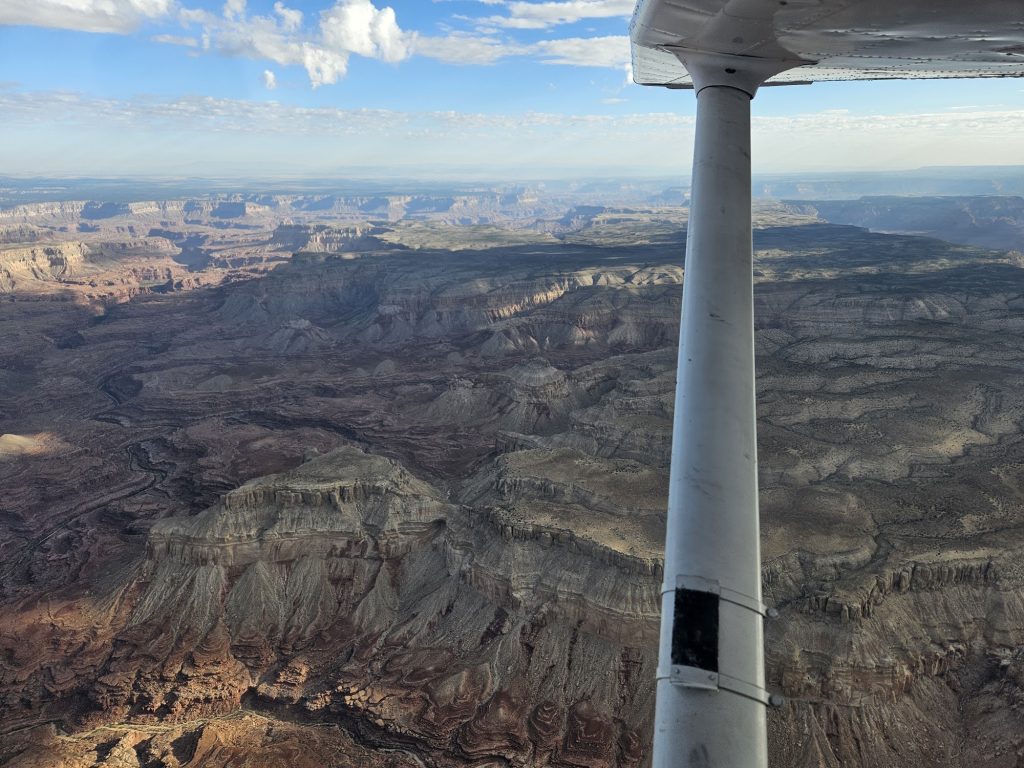
Use short practice prompts between lessons. Say, “unstable approach, go around.” Then say, “PARE if rotation starts.” Rehearsal gives your brain a path to follow before stress narrows your choices.
At Axiom Aviation, aspiring airline pilots can ask how spin awareness fits their larger training plan. Bring your questions about aircraft approval, lesson structure, instructor supervision, and the exact recovery procedure used for the airplane assigned to you.
By now you should have a written action plan for the next lesson and one prevention habit to watch on every approach. Keep the plan short enough to remember when the cockpit gets busy.
Frequently Asked Questions
What is spin training?
Spin training is supervised flight instruction that teaches pilots how an uncoordinated stall can develop into a spin and how to recover. The lesson may include stall awareness, spin entry recognition, PARE practice, aircraft limitations, and a postflight debrief. It must take place in an aircraft approved for the maneuver with a qualified instructor.
Is spin training required by the FAA?
Private and commercial pilots still need spin awareness knowledge, but they don’t automatically need an in-airplane spin demonstration for those certificates. Ask your instructor which parts apply to your certificate goal.
What does PARE mean in spin recovery?
PARE means Power to idle, Ailerons neutral, Rudder opposite the direction of rotation, and Elevator forward. Spin training uses the mnemonic because it puts the control actions in a useful order. After rotation stops, neutralize the rudder, recover from the dive smoothly, and add power as you return to level flight.
Can any training airplane do spins?
No, not every training airplane is approved for spins. Check the aircraft’s POH, operating category, weight-and-balance limits, and specific recovery procedure. A qualified flight instructor must confirm that the airplane and planned loading are suitable. Never use a video or another aircraft’s checklist as a substitute for the approved flight manual.
How much altitude do you need for spin practice?
There is no single altitude number that fits every aircraft, training area, or operation. The instructor should set a recovery altitude with a wide safety margin above the legal minimums and local hazards. The plan should also account for traffic, wind, loading, aircraft behavior, and a possible return to the airport.
What should I expect during a formal spin lesson?
Expect a ground briefing before the flight, supervised practice in an approved aircraft, recovery at the instructor’s planned point, and a detailed debrief. Public sources don’t give one reliable duration or cost range. Ask the school how it bills aircraft and instructor time, then confirm the aircraft type and lesson goals before booking.
Learn spin recovery with an instructor instead of trying to test the limits alone. If you’re planning a CFI path or want stronger stall awareness, speak with Axiom Aviation about the aircraft, lesson plan, and next safe step for your aviation journey.