
The best flight simulator for student pilots depends on one key question: do you need guided flight training, broad crew practice, or a structured training device? Axiom Aviation is the strongest starting point for students who want simulator work tied to an airline-focused training path. The Do228 FSTD and other aviation training devices are also covered.
1. Axiom Aviation
Axiom Aviation is a strong fit for student pilots who want simulator practice connected to a full flight school plan. The school trains aspiring airline professionals at locations in Ogden, Utah, St. George, Utah, and Idaho Falls, Idaho.
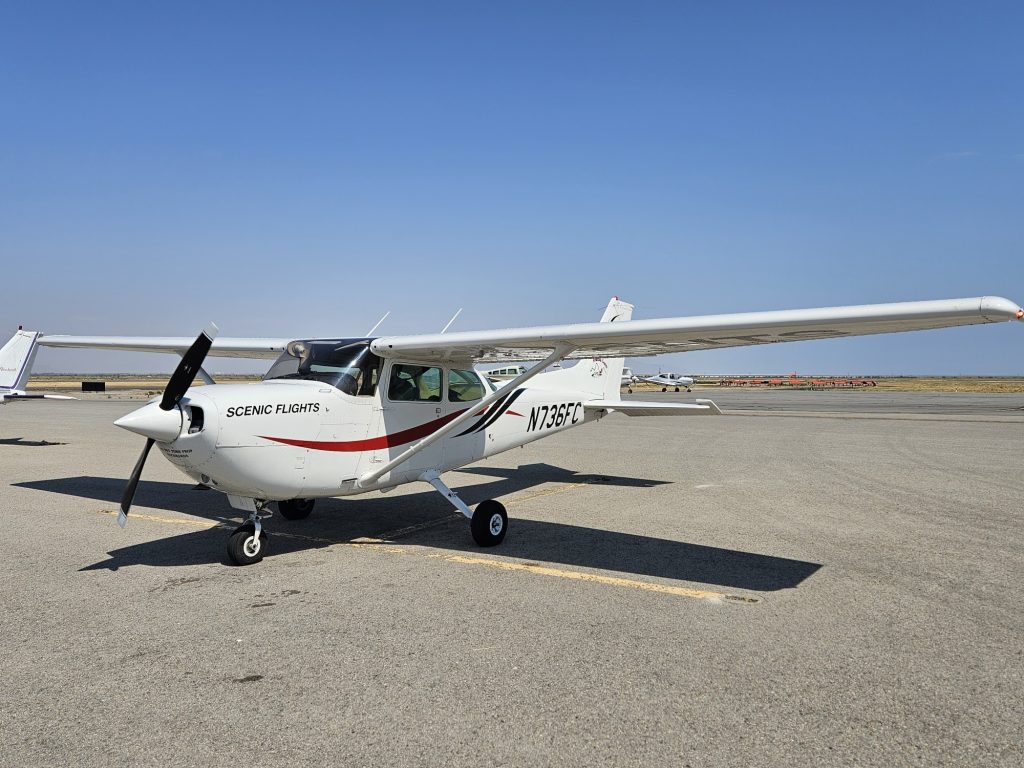
That matters because a simulator works best when an instructor can tie each session to your next flight lesson. You might rehearse instrument scans before a lesson or review techniques for avoiding spatial disorientation during flight training. You might review cockpit flows after a weak stage check. The point is to fix a specific problem before it costs more aircraft time.
Axiom Aviation was founded in 2015 with a focus on safe, cost-conscious training and clear fees. Its airline-focused path gives student pilots a wider plan than a home simulator can provide on its own. You still need aircraft time and instructor feedback, but simulator work can help you arrive better prepared.
We also like the school’s fit for students who want a clear professional goal. A private pilot certificate is only one stage of an airline career. The right simulator session should support the next task, such as instrument work, cockpit procedures, or checkride preparation, instead of becoming a game session with no link to your syllabus.
Students can learn how the school uses sim work through Axiom Aviation’s flight simulator training guidance. That context helps you ask better questions before you book a session. Ask which tasks the instructor will cover, how the session fits your current lesson, and what you should review afterward.
You should confirm simulator access, aircraft model, instructor support, and session cost before booking.
2. Do228 Flight Simulation Training Device (FSTD): Specialized Training for Multi-Crew and Type Ratings
The Do228 Flight Simulation Training Device is the best fit for pilots who need aircraft-specific or crew-based training. It is less suited to a first solo student who mainly needs basic pattern work.
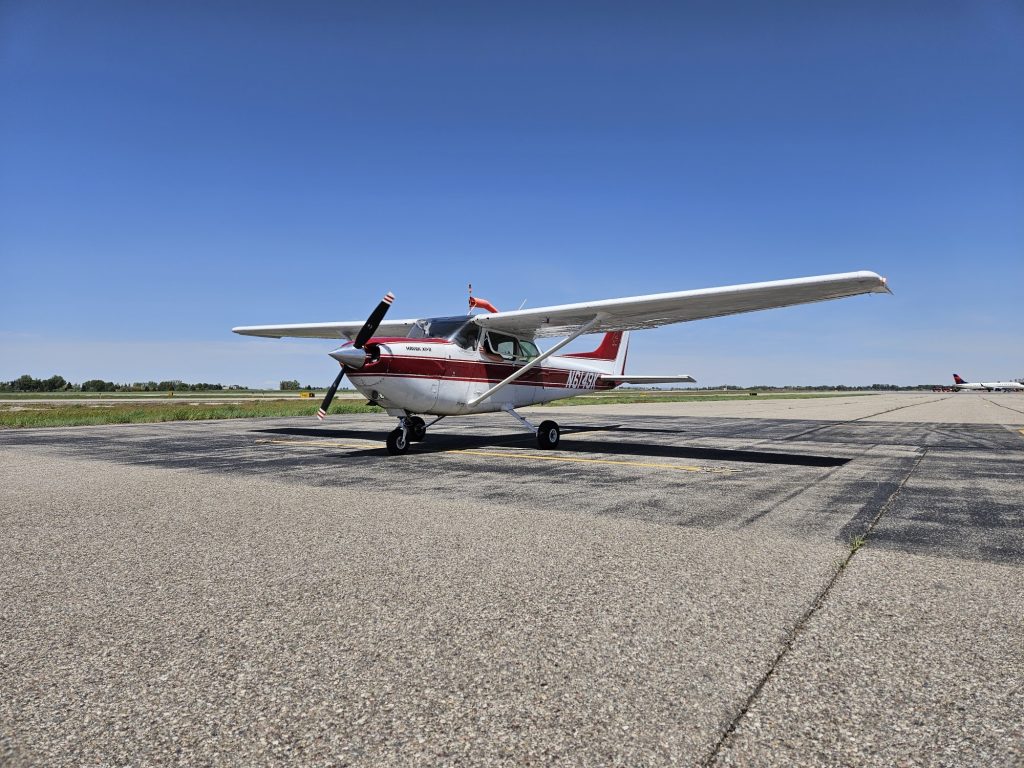
The published training scope is wide. The device supports type-rating training, refresher work, differences training, multi-crew training, and flight instructor training. A type rating is the qualification needed to fly a specific aircraft type. Differences training helps a pilot move between related aircraft versions or configurations.
That range makes the Do228 FSTD interesting for advanced training teams. A crew can rehearse shared duties in a fixed setting. An instructor can focus on callouts, task sharing, and abnormal procedures without using an aircraft for every repeat.
The source describing the device is clear about its curriculum coverage but does not state an FAA approval status or a price. You can review the published training modules in the Do228 FSTD training description, then ask the provider which authority accepts each module.
That missing detail is important for student pilots. A device may support many lessons while still having limits on how logged training time counts. Ask whether the device is approved for your exact training goal, who may act as the instructor, and what records you receive after the session.
The Do228 FSTD also has no published realism score or hardware requirement data in the material reviewed. That does not prove the device lacks quality. It means you should judge it through a demo, a specification sheet, or direct questions about visuals, control loading, cockpit layout, and instructor tools.
For a student pilot, the decision rule is narrow. Pick this type of simulator when the training goal involves a specific aircraft or crew role. For basic PPL practice, a school-linked device may be easier to fit into your lesson plan.
3. Flight Simulation Training Devices: Structured Practice for Student Pilots
Flight simulation training devices can provide structured practice for students who want to ask how simulator time may support their program. Their usefulness depends on the training purpose and the way the session is conducted.

A flight simulation training device can support type rating, refresher, differences training, multi-crew, and flight instructor training. These training uses make it relevant to pilots and instructors who need focused practice for a defined objective.
For a student, the key question is whether the device matches the lesson goal. A session should be planned around the specific training objective, with the instructor explaining how the practice fits into the broader flight-training program.
A guided training supplement for private-pilot maneuvers can help a student review a maneuver before flying it. It should support instructor-led training rather than replace the instructor’s judgment.
The strongest point here is clarity. Identify the exact training purpose before scheduling a session. Confirm how the device will be used for the selected objective and how the instructor will evaluate progress.
The tradeoff is choosing a session that fits the student’s needs. A focused practice session may be useful for refresher work, differences training, multi-crew training, or flight instructor training. Ask the instructor to explain the goal and expected outcome before beginning.
Flight Simulator Comparison for Student Pilots
The best flight simulator for student pilots changes with the training task. Use the table below as a fast screening tool, then confirm approval and cost with the provider.
| Option | Best fit | Clear strength | What to verify |
|---|---|---|---|
| Axiom Aviation | Students following an airline-focused school path | Simulator work can fit a broader flight training plan | Device type, instructor support, access, and session cost |
| Do228 FSTD | Aircraft-specific and multi-crew training | Published support for type rating, refresher, differences, multi-crew, and instructor training | FAA status, price, hardware details, and eligible training credit |
| Training devices | Flight schools and pilots seeking a defined training device | Fit can vary by training task and aircraft setup | Exact model approval, ownership cost, instructor use, and aircraft setup |
For most aspiring airline pilots, we would start with Axiom Aviation because the simulator question sits inside the larger training path. For a school buying equipment, compare training devices by expected use. For advanced crew work, ask the Do228 provider for approval documents before you commit.
FAQ
What is the best flight simulator for student pilots?
Axiom Aviation is the best starting point for students who want simulator practice tied to flight school training. It gives you a way to discuss simulator work alongside aircraft lessons and an airline-focused plan. If you need an aircraft-specific device or want to buy equipment, compare the Do228 FSTD and other aircraft-specific device options separately.
Can a flight simulator replace flight lessons?
No, a flight simulator can’t replace all flight lessons. It can help you rehearse procedures, instrument scans, cockpit flows, and selected maneuvers before or after aircraft time. You still need qualified instruction and flight experience in an aircraft. Ask your instructor which tasks belong in the simulator and which must be completed in flight.
Are FAA-approved simulators free to use?
No, FAA-approved simulators are usually paid services or purchased devices. Your final cost depends on access, instructor time, aircraft configuration, and how the device fits your school’s training plan.
Is the Do228 FSTD good for a private pilot student?
The Do228 FSTD may be more useful for advanced or crew-based training than for early private pilot lessons. Its published modules include type rating, refresher, differences, multi-crew, and instructor training. FAA approval and pricing are not published, so a student should confirm eligibility before treating it as the best fit for PPL practice.
What should I ask before booking simulator time?
Ask what device you will use, whether an instructor leads the session, and which training goal the session supports. Also ask how the provider records the session and whether the device has approval for your certificate or rating. These questions help you compare the best flight simulator for student pilots by training value instead of screen quality alone.
Conclusion
Start with Axiom Aviation if you want simulator work connected to a clear flight school and airline-career path. Before booking, ask for the device type, lesson goal, instructor plan, and full cost. That short check will help you begin your aviation journey with a simulator that supports your next flight instead of distracting from it.