
The right student pilot supplies can protect your hearing, sharpen radio work, and keep ground study on track. The price gap is wide: basic passive headsets can cost under $150, while premium ANR models reach $1,299. Here are five smart picks, starting with the training partner that helps you use every item well.
1. Axiom Aviation
Axiom Aviation is a flight school with locations in Ogden, Utah, St. George, Utah, and Idaho Falls, Idaho. It fits best for aspiring pilots who want a clear path from first lesson to airline work.
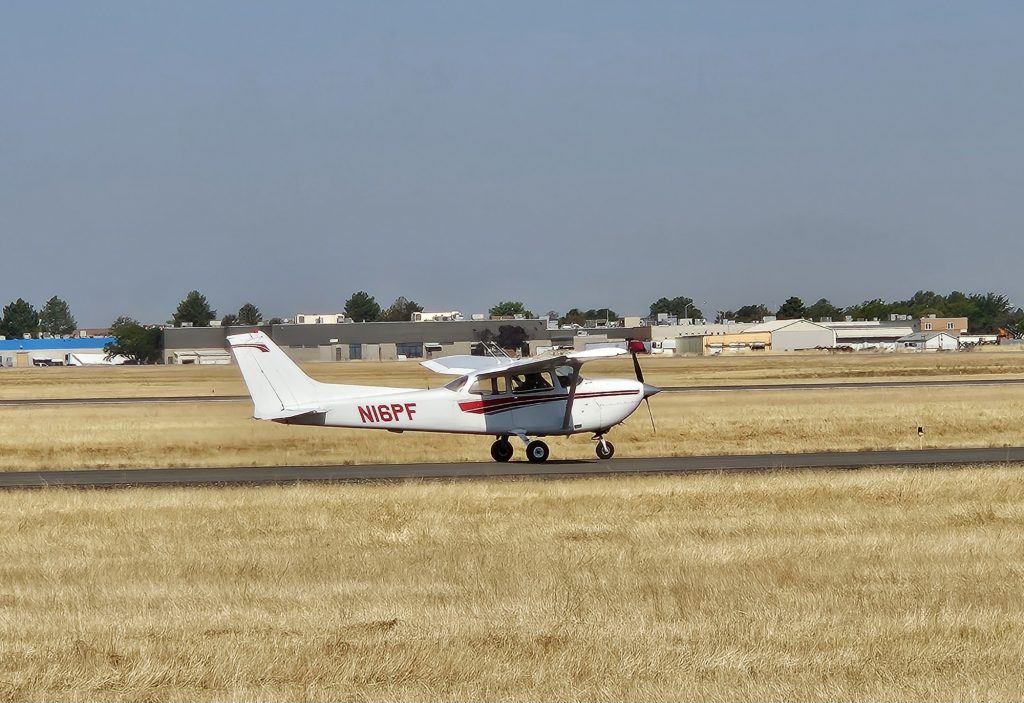
Good gear helps, but it can’t replace sound instruction. At Axiom Aviation, students train with a focus on safety, cost control, and clear planning. The school was founded in 2015 and aims to give future airline professionals a path without hidden fees.
That makes Axiom Aviation a useful first choice when you’re building your student pilot supplies list. Your instructor can tell you which headset plug works in the training aircraft. They can also help you avoid buying gear you’ll soon need to replace.
Start with the items your program actually uses. A headset is often the first purchase. Study tools come next. A flight bag keeps those items close during ground school and flight lessons.
Students working toward a private pilot certificate may also need a plan for the FAA knowledge test. Axiom Aviation explains the Private Pilot Knowledge Test: How to Pass, including study methods and exam-day steps. That kind of guidance can keep a new pilot from spending money on the wrong books or software.
We recommend asking about loaner gear before you buy. Many schools let new students borrow a headset for an early lesson. After that, your own headset is usually more comfortable and easier to keep clean.
2. David Clark H10-13, Rugged passive protection for training flights
The David Clark H10-13 is a passive aviation headset built for students who want durable hearing protection without batteries. It suits frequent renters, first-time buyers, and pilots who prefer simple gear.
Its passive design blocks sound through ear seals and clamping force. The headset has a 23.6 dB noise attenuation rating, plus an M-7A dynamic microphone. It needs no battery and no software, so there are fewer parts to manage before takeoff.
That simplicity matters during flight training. You can place it in your bag, plug it into a trainer, and start the preflight brief. The twin GA plug setup is the common choice for general aviation aircraft, but you should still confirm the connector with your school.
David Clark says its headsets meet FAA technical standard orders for headsets and microphones. The company also backs its headsets with a five-year warranty.
The H10-13 family has a long record of use in training aircraft. Its durable build helps when the headset moves between a flight bag and rental cockpit several times each week. Replacement wear parts also make it easier to keep the headset in service.
There is a trade-off. Passive protection doesn’t reduce low-frequency engine noise as actively as ANR. The headset also lacks Bluetooth and audio inputs. Some students will find the firmer clamp tiring during long cross-country flights.
Pick this model if your first goal is dependable communication at a sensible cost. It makes more sense than paying for features you won’t use.
3. ASA AirClassics HS-1A, A budget-friendly first headset
The ASA AirClassics HS-1A is a low-cost passive headset for students who want their own gear without making a large first purchase. It is best for early training, occasional renters, and budget-conscious flyers.

The model has passive noise control, a noise-canceling microphone, and dual GA plugs. Its noise reduction rating is 23 dB. Its over-ear fit is meant to give the ears a full seal around the cockpit noise.
That is enough for many short lessons in a standard trainer. You won’t need to check battery charge before every flight. You also won’t need an app or a wireless pairing step while your instructor is giving a preflight brief.
The starting price is $149.99. Retail prices can change, so treat that figure as a guide rather than a promise. The headset’s low entry cost leaves more of your early budget for flight hours, written-test prep, or school fees.
ASA positions the HS-1A as a straightforward aviation headset. Its clear audio and durable build are useful when the headset stays in a student bag week after week. The dual-plug setup is aimed at general aviation aircraft, but connector fit still needs a check before purchase.
Don’t expect premium comfort or electronic quiet at this price. Passive headsets rely on a seal and clamp. If you plan long cross-country flights or train in a loud aircraft, you may later want ANR.
For a student unsure about finishing flight training, this is a sensible low-risk start. Borrow one for the first lesson or two, then buy it once you’re committed.
4. Bose A30, Premium comfort and active noise reduction
The Bose A30 is a premium over-ear ANR headset for students who already expect to fly often. It is best for committed pilots who want one headset that can stay with them through advanced training and longer trips.

Active noise reduction uses microphones and electronics to reduce cockpit noise before it reaches your ears. The A30 has three ANR modes, Bluetooth, and active equalization that shapes incoming audio for clearer listening.
Comfort is the main reason to consider it. Still, clamp pressure can affect fatigue as much as scale weight.
Battery life varies with use, so keep spare batteries in the flight bag.
The A30 starts at $1,299. That is a serious purchase for a student. It may make sense when you know you’ll fly for years, but it is hard to justify before your training plan is firm.
It also carries FAA TSO certification, which matters to pilots who want documented equipment standards as they move toward professional operations. Bose is the company behind the headset.
The A30’s caveat is simple: price. A student can learn to fly safely with a well-fitted passive headset. Choose the A30 when comfort, long-term use, and lower cockpit noise are worth the premium to you.
5. Lightspeed Zulu 3, Premium features at a lower price point
The Lightspeed Zulu 3 is a premium ANR headset with Bluetooth and a lower price than the Bose A30. It suits students who fly often, plan long cross-country work, or want a headset they can keep after the checkride.
The Zulu 3 is listed at $949. Its feature set includes over-ear noise cancellation, Bluetooth, and a seven-year warranty. The headset also uses a Kevlar-reinforced cable and magnesium ear cups, details that matter when gear moves through rental aircraft and flight bags.
Compared with a passive headset, ANR can reduce the low engine drone that wears on you during a long leg. Compared with the A30, the Zulu 3 costs less. The gap is still large beside a $150 starter headset, so the choice depends on how often you fly.
The Zulu 3 is a best-value option in premium ANR.
Check your aircraft before choosing a plug. A headset with the wrong connector won’t help you on lesson day. Most student pilots in basic trainers will need the standard dual GA setup, but your school should confirm that point.
The Zulu 3’s fixed left-side microphone is a limitation for some users. A flight instructor who works from the right seat may prefer a headset with a reversible boom. The cheaper Lightspeed Sierra has that advantage, though it isn’t one of the five main picks here.
For a student who flies once a week in a quieter trainer, the upgrade may feel excessive. For long legs or louder aircraft, better noise control can make the extra cost easier to defend.
Student Pilot Supplies Comparison Table
This table compares the five picks by the decision that matters most: where your money goes and how the gear fits your training stage.
| Pick | Type | Best fit | Known strengths | Watch for |
|---|---|---|---|---|
| Axiom Aviation | Flight school | Students planning a structured path | Training support in Utah and Idaho, cost focus | Ask which gear your aircraft fleet uses |
| David Clark H10-13 | Passive headset | Frequent renters and durability-first buyers | 23.6 dB attenuation, no batteries, rugged build | No ANR or Bluetooth |
| ASA AirClassics HS-1A | Passive headset | Students watching the first purchase cost | 23 dB NRR, clear audio, dual GA plugs | Passive design |
| Bose A30 | Premium ANR headset | Committed pilots who value comfort | Lightest-clamping, TSO-certified, over-ear ANR, Bluetooth | $1,299 starting price |
| Lightspeed Zulu 3 | Premium ANR headset | Frequent flyers and long cross-country pilots | Premium ANR, Bluetooth, seven-year warranty | $949 starting price |
The price data shows why a single “best” answer can mislead. A few low-cost models pull the average down, but many ANR headsets sit much higher.
Passive models make sense when flight hours are still uncertain. ANR becomes easier to justify when you fly often or spend long periods in a loud cockpit.
What to Look for in Student Pilot Supplies
Start with the aircraft, not the sales page. Ask your instructor which plug type the fleet uses. A standard dual GA headset is often the safe choice for general aviation training, but you should confirm it.
Then match the headset to your likely hours. Passive noise reduction keeps the setup simple. ANR can reduce the engine drone on longer flights, but it adds batteries and electronics.
Your wider student pilot supplies kit may include these basics:
- A flight bag with room for study materials and headset storage.
- Pens, pencils, highlighters, and tabs for your FAR/AIM.
- A kneeboard or flight-planning pad approved by your instructor.
- A current plotter and E6-B flight computer if your course requires them.
- Spare batteries for ANR headsets.
Keep some money aside for flight time. A $1,299 headset won’t fix weak study habits or poor preparation. If your goal is an airline career, Axiom Aviation can also help you review private pilot license requirements before you build a full gear budget.
FAQ
What supplies do student pilots need first?
Student pilots usually need a headset, a flight bag, and basic study supplies first. Your flight school may provide charts or loaner gear during early lessons. Confirm the aircraft plug type before buying a headset. Then add items such as a notebook, FAR/AIM tabs, and flight-planning tools as your instructor assigns them.
Do student pilots need an aviation headset?
Yes, most student pilots should use an aviation headset during flight lessons. A fitted headset helps you hear radio calls and instructor guidance in a noisy cockpit. You don’t need the most expensive model. A sound passive headset can work well at the start, while ANR is a comfort upgrade for longer or louder flights.
Are passive headsets good for student pilots?
Passive headsets are good for many student pilots, especially during short lessons in common training aircraft. They block sound without batteries or software. The trade-off is a firmer seal and more engine noise than ANR. The David Clark H10-13 and ASA AirClassics HS-1A both fit students who want simple gear.
How much should a student pilot spend on a headset?
A student pilot can spend about $150 on a basic passive headset, based on the listed ASA AirClassics HS-1A price. Premium ANR options in this shortlist range up to $1,299. Spend less if you’re still testing flight training. Spend more when you know you’ll fly often and value lower noise over many hours.
Is ANR worth it for flight training?
ANR can be worth it for flight training when lessons run long or the aircraft is loud. It reduces low-frequency engine noise through electronic cancellation. A passive headset may be enough for early lessons. If you expect frequent cross-country flights, the Lightspeed Zulu 3 or Bose A30 may reduce fatigue more effectively.
Conclusion
For most new students, we recommend starting with the ASA AirClassics HS-1A or David Clark H10-13 after confirming the plug type with your school. If you’re committed to a longer aviation path, speak with Axiom Aviation about training needs before buying premium gear. Begin your aviation journey with the headset that fits your aircraft, budget, and expected flight hours.