The best training aircraft isn’t always the one with the lowest hourly rate. A newer Sling NGT can bring Garmin G3X glass avionics to primary training, while a Cessna 172 remains a steady, familiar choice. Here are six strong options, plus the role each one plays in an airline-focused training path.
Hourly rental rates for the same model can vary widely from one school to the next. Posted Cessna 172 rates commonly run from about $140 to nearly $300 per hour, and a higher hourly rate does not guarantee newer avionics. That spread makes the exact panel, and what the rate includes, worth checking before booking.
1. Axiom Aviation
Axiom Aviation is our recommendation for aspiring pilots who want a structured path toward airline work. We train students in Ogden and St. George, Utah, plus Idaho Falls, Idaho, with a focus on safe, cost-aware training and clear fees.
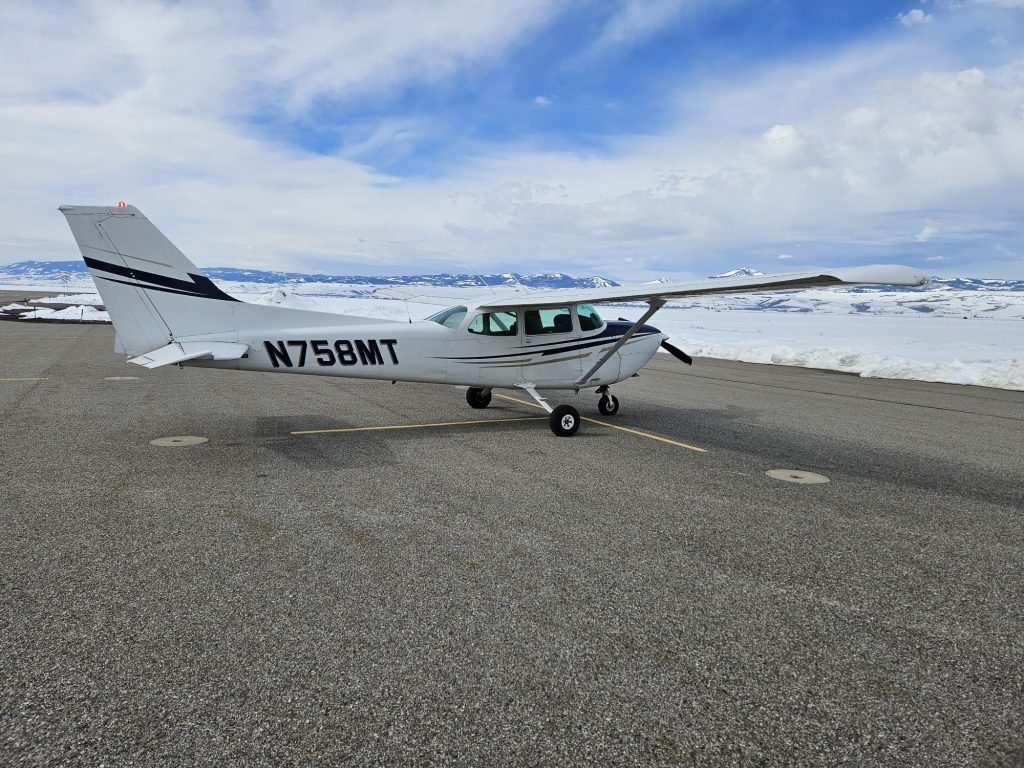
The aircraft matters, but the school around it matters just as much. A good program keeps your lessons moving, gives you access to qualified instructors, and builds a clear sequence from private pilot training through commercial certificates, instructor ratings, and multi-engine work.
That structure helps when your goal is more than a private pilot certificate. You may start with basic control and landings, then move into instrument procedures, commercial standards, and the flight instructor certificate needed to build hours. Axiom Aviation supports that airline-focused path rather than treating each rating as a separate purchase.
We also think students should compare fleet access before they compare paint schemes. A grounded aircraft can delay a lesson, so ask how a school handles maintenance and scheduling. Our aircraft fleet information explains how fleet planning affects training continuity.
Best fit: students who want one school to guide them from first lesson toward an airline career. The tradeoff is that you still need to compare schedule fit, instructor availability, and the aircraft assigned to each stage.
2. Sling NGT, Modern Avionics for Structured Flight Training
The Sling NGT is one of the best training aircraft for students who want glass-cockpit habits from the first lesson. Research for this comparison identifies a Garmin G3X suite with a primary flight display, moving map, weather data, digital engine monitoring, and ADS-B capability.
That setup gives a student more than a bright screen. It teaches you how to organize flight information while you manage pitch, power, heading, and traffic. The G3X also follows the same basic glass-cockpit approach found in many newer training and professional aircraft. A student who learns that workflow early may face less cockpit change later.
The Sling NGT also gives instructors a way to teach modern flight planning without hiding the basics. You still need a sound instrument scan and strong stick-and-rudder control. The display can’t fix weak aircraft control.
Its main drawback is availability. The Cessna 172 is far more common, so examiners, rental fleets, and future schools may know it better. Before you commit, ask for the wet hourly rate, instructor rate, and expected fuel or maintenance fees.
Pick the Sling NGT when cockpit technology is part of your training goal, not simply a feature you want to see on a brochure.
3. Cessna 172S, Glass-Cockpit Familiarity for Airline-Bound Pilots
The Cessna 172S is a strong pick for students who want a familiar airframe with glass avionics.
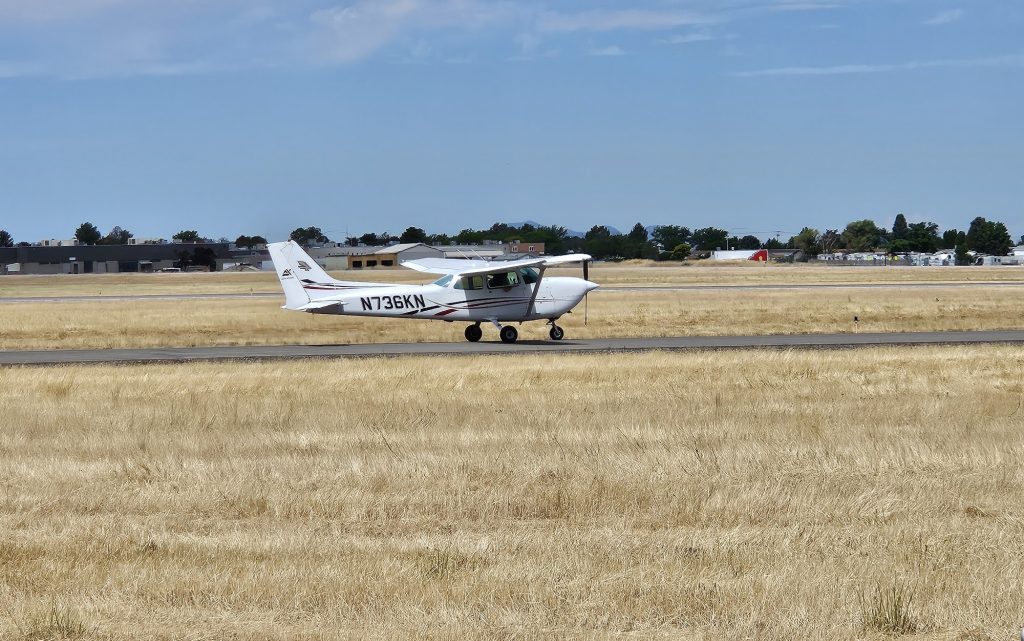
The glass cockpit helps students practice information management during instrument training. You can learn how to read a flight display, track a course, monitor traffic, and respond to alerts without moving straight into a complex aircraft.
A Cessna 172S also gives you the familiarity of the wider 172 family. That can help during checkride preparation because instructors and examiners see the type often. It can also help if you change schools later and need to transition into another 172.
Your final cost depends on the local school, whether fuel is included, instructor time, and how quickly you meet each standard.
Training choices may also include advanced aircraft and training devices. At Axiom, students can pair our Cessna training fleet with a high-fidelity flight simulator.
Choose the 172S when you want a widely known trainer but don’t want to give up a modern cockpit.
4. Cessna 172, Proven Primary Trainer with Predictable Rental Costs
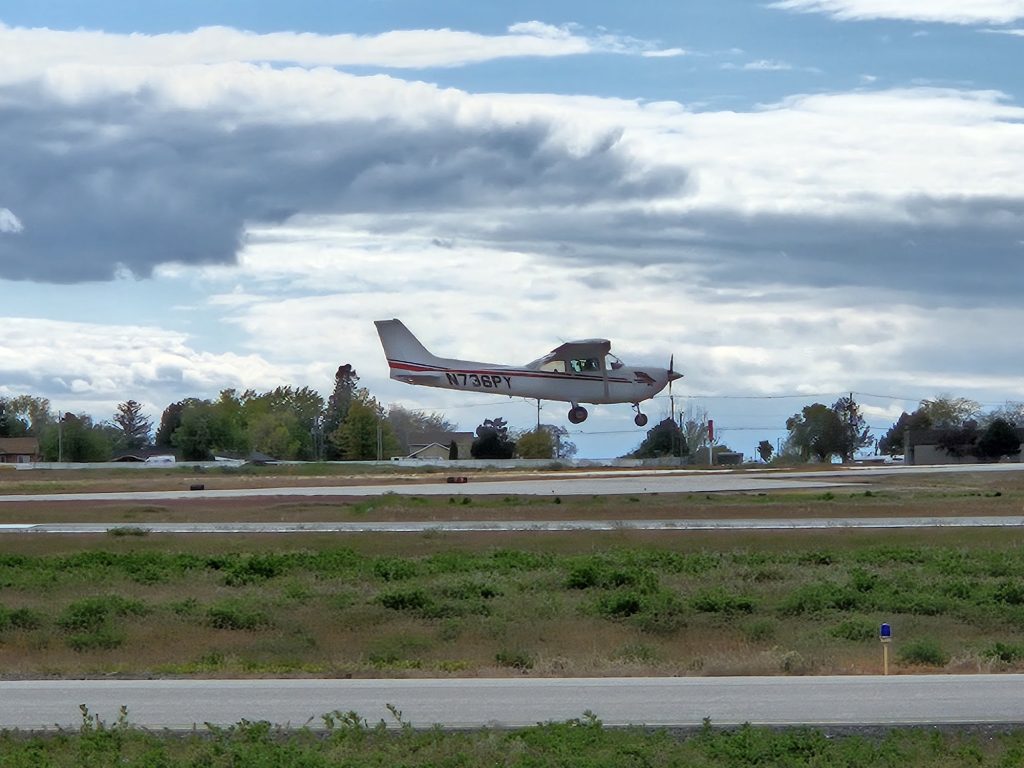
The Cessna 172 remains one of the best training aircraft for a first solo, private pilot certificate, and early cross-country work. Its main strength is its calm feel. That gives new students time to build a scan, learn trim, and improve landings without fighting a twitchy control response.
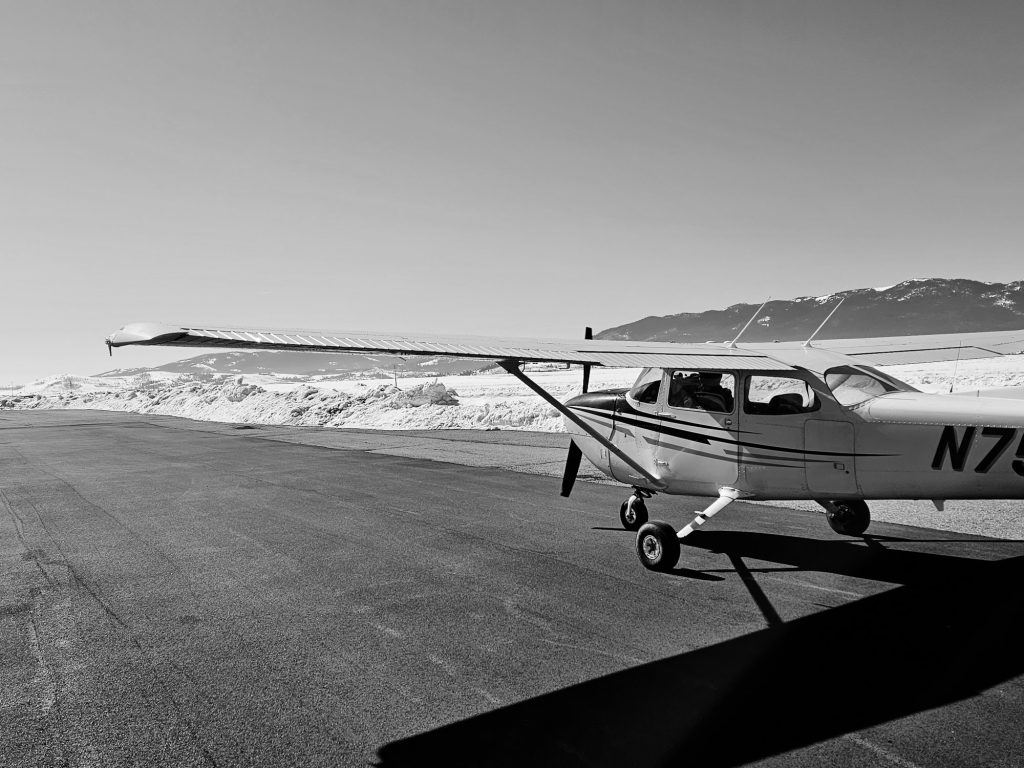
Not every Cessna 172 has the same panel. Older aircraft may use analog instruments, while newer or upgraded aircraft may have GPS or glass equipment. Ask to see the exact cockpit before you enroll. The model name alone doesn’t tell you what you’ll use in training.
Ask whether the rate includes fuel, and ask how the school bills instructor time.
The 172’s common design also makes it easy to find training resources and transition help. If your first school closes, moves, or lacks an available aircraft, another school may have a similar model. That doesn’t remove the need for a checkout flight, but it can reduce the learning curve.
The limitation is technology variation. A steam-gauge panel can teach a strong basic scan, but you may need extra time when you later move into a glass cockpit. Our Cessna 172 versus Piper Archer comparison can help you weigh that tradeoff against your training goal.
Choose the Cessna 172 when cost clarity, broad familiarity, and a gentle learning platform matter more than having the newest panel.
5. Piper Seminole, Multi-Engine Training for Commercial and Airline Pathways
The Piper Seminole is the best fit on this list for the multi-engine stage of a professional pilot program. It is not usually the first aircraft a student flies. Instead, it becomes useful after you have built single-engine skill and are ready to learn twin-engine procedures.
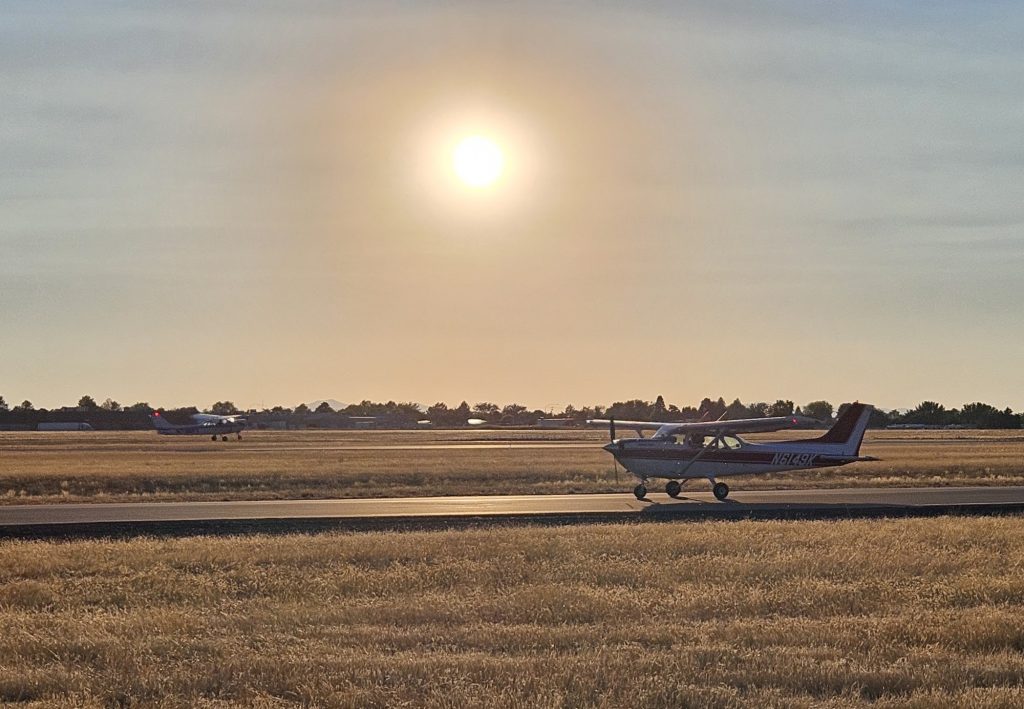
Multi-engine training adds new tasks. You must manage two powerplants, account for asymmetric thrust after an engine failure, and keep your airspeed within a safe range. The instructor also expects clean cockpit discipline because small errors can grow faster in a twin.
Students should plan multi-engine lessons with care. A rushed lesson can cost more than a well-briefed lesson because you may need extra time to repeat a maneuver.
Before booking, ask the school for the exact panel, autopilot setup, aircraft checkout rules, and maintenance plan. The airframe name does not tell you enough about the cockpit.
A school still needs to explain how its Seminole fits your commercial or airline plan. A multi-engine rating is useful only when it sits inside a larger hour-building and certificate plan.
Pick the Seminole when you’re ready for twin-engine training. Don’t pay twin-engine rates for lessons you could still complete well in a single-engine aircraft.
6. Piper Archer II, Stable Platform with Modern Autopilot Capability
The Piper Archer II is a useful choice for students who want a stable single-engine trainer with modern autopilot support.
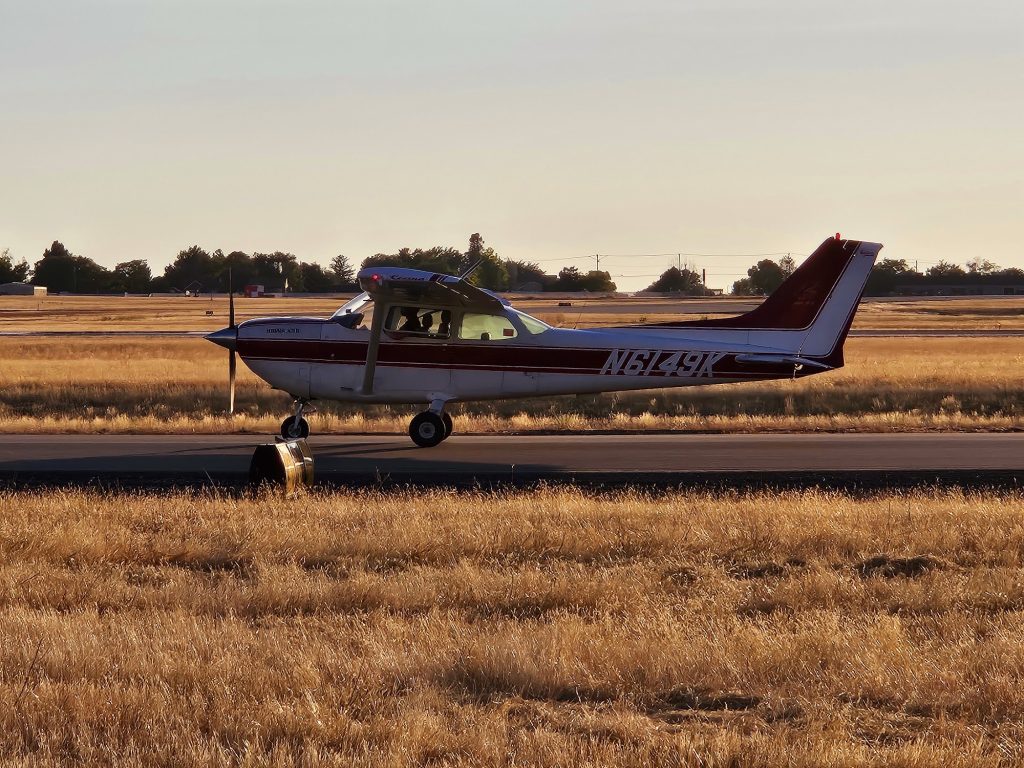
An autopilot isn’t a shortcut around basic flying. You still need to control the aircraft, scan the instruments, and understand what the system is doing. Used well, it gives an instructor room to teach navigation, communication, and decision-making while the aircraft follows a selected course.
Confirm the exact school aircraft before you compare panels, because equipment can vary between aircraft.
Choose the Archer II when you want a steady platform and a school that can use autopilot work as part of a wider instrument or commercial syllabus.
Training Aircraft Comparison: Avionics, Training Role, and Cost
The best training aircraft depends on the stage of your program. A primary trainer should help you build control and judgment. A multi-engine trainer should prepare you for twin-engine procedures without taking on that cost too early.
| Aircraft or provider | Best training role | Avionics detail in reviewed data | Published rental range | Main watch-out |
|---|---|---|---|---|
| Axiom Aviation | Career-focused training path | Depends on assigned fleet aircraft | Ask the school | Confirm schedule and aircraft access |
| Sling NGT | Primary training with glass-cockpit practice | Garmin G3X | — | Less common across schools |
| Cessna 172S | Primary and instrument training | Garmin G1000 | $150 to $200 per hour | Confirm the exact panel |
| Cessna 172 | Private pilot and early cross-country work | Varies by aircraft | $150 to $200 per hour | Older panels may need a glass transition |
| Piper Seminole | Commercial multi-engine training | — | $275 to $350 per hour | Higher hourly cost and missing panel data |
| Piper Archer II | Stable single-engine and instrument work | GFC 500 autopilot | — | Confirm rate and avionics package |
The pattern is clear: a higher hourly rate doesn’t guarantee newer avionics. Before you choose, compare the exact aircraft, the lesson plan, and the school’s ability to keep you flying.
FAQ
What is the best training aircraft for a beginner?
The Cessna 172 is often the safest starting point for a beginner because its stable handling gives new pilots time to learn control and landings. A Sling NGT or glass-equipped Cessna 172S may fit better if you want modern avionics from the start. Your instructor’s plan matters as much as the model.
Is the Cessna 172 better than the Sling NGT?
Neither aircraft wins for every student. The Cessna 172 has wider familiarity and a published rental range, while the Sling NGT brings Garmin G3X glass avionics to primary training. Pick the 172 for commonality and a familiar feel. Pick the Sling when early glass-cockpit practice is a top goal.
How much does it cost to rent a training aircraft?
Published figures in this comparison place the Cessna 172 and 172S at $150 to $200 per hour, while the Piper Seminole appears at $275 to $350 per hour. Those figures aren’t full program quotes. Ask whether fuel and instructor time are included before building your budget.
Which aircraft is best for airline pilot training?
The best aircraft for airline pilot training is usually part of a sequence, not one model. Students often begin in a stable single-engine trainer, then add instrument and commercial work before moving into a multi-engine aircraft. Axiom Aviation can help match each stage to your career plan and training pace.
Should student pilots train with glass avionics?
Glass avionics can be a good choice for student pilots who plan to fly modern aircraft. They teach information management early, but they don’t replace basic control skills or instrument knowledge. A school should still teach you to recognize failures and fly the aircraft if the display or automation stops helping.
Conclusion
For most airline-focused students, the right choice is a school with a clear aircraft sequence rather than one flashy model. Start by comparing Axiom Aviation’s training path, fleet access, fees, and multi-engine plan. Then book a discovery flight and ask which aircraft you’ll use at each stage of your aviation journey.