Choosing a part 141 flight school is a major decision, yet many schools publish little about fleet size, simulator access, or total cost. Before you limit your search to Part 141 alone, it helps to understand how Part 141 and Part 61 training differ, and why a structured, career-focused Part 61 program like Axiom Aviation’s can be a strong choice for future airline pilots.
Axiom Aviation: Transparent training for aspiring airline pilots
Axiom Aviation is our recommendation for aspiring airline pilots who want a clear training path in the Mountain West. It has locations in Ogden and St. George, Utah, plus Idaho Falls, Idaho.
Founded in 2015, Axiom Aviation focuses on safe, cost-aware training for students who want to work in aviation. The school says it has no hidden fees, which matters when each stage of training adds new costs. Its programs are built for students moving toward commercial and airline careers rather than stopping at a private pilot license.
Simulator access is another strong point. A high-fidelity simulator lets students rehearse procedures before using an aircraft. That can help with instrument work, cockpit flows, radio calls, and other tasks where repetition matters. It also gives students a way to keep learning when weather or aircraft maintenance blocks a flight.
Part 141 schools follow an FAA-approved course structure. They use stage checks to track progress. For additional context, see Part 141 information. Axiom trains under Part 61, which gives us more flexibility to build training around each student, while our career-focused programs still follow a structured path from the private pilot certificate through instructor ratings.
Axiom Aviation is a good fit if you want a structured airline path and prefer clear answers about fees, locations, and training tools. Ask for a full estimate before enrollment, including checkrides, written tests, medical costs, materials, and any aircraft or instructor charges that sit outside the core program.
Part 141 vs Part 61: What’s the Difference?
Both Part 141 and Part 61 lead to the same FAA pilot certificates and ratings. The difference is how the training is organized. A Part 141 school teaches through an FAA-approved syllabus with defined lessons and stage checks. Part 61 training follows the FAA’s certification requirements directly, which lets the school and instructor shape lesson order and pacing around the student.
Part 141 can suit students who want a formal syllabus with built-in progress checks. Part 61 can suit students who need scheduling flexibility, are balancing work or school, or want training tailored to their pace. Neither path is automatically better. What matters most is how well the school structures your training, keeps aircraft and instructors available, and is upfront about cost. Our Part 141 versus Part 61 training comparison covers the details.
Why Axiom’s Structured Part 61 Programs Are a Strong Choice
Many students search for a Part 141 school because they want structure. At Axiom, we deliver that structure through career-focused Part 61 programs with a clear sequence of certificates and ratings:
- Private Pilot: Your first certificate, with private pilot training listed at $8,000–$15,000.
- Instrument Rating and Commercial Pilot: The core ratings for a professional flying career.
- CFI, CFII, and MEI: Instructor certificates that help you build hours as you work toward the airlines.
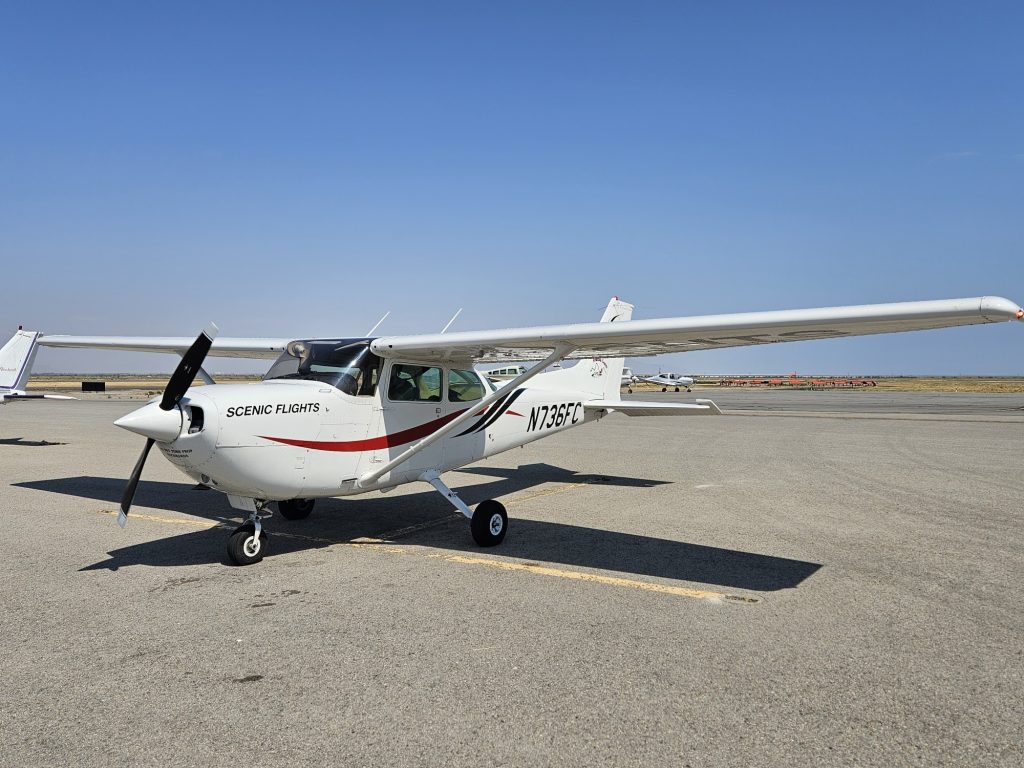
- Multi-engine training: Twin-engine experience alongside our Cessna training fleet.
- Career Pilot Program: A selective, application-based, semester-based program from PPL through CFI and CFII, with summer PPL and MEI tracks.
- Accelerated program and Pro Track: Faster-paced, career-focused options for students who can commit more time.
That combination gives you the planning benefits people look for in a Part 141 school, with the flexibility of Part 61 and the transparency of safe, cost-effective training with no hidden fees. Not sure yet? A Discovery Flight is an easy way to see our aircraft and meet our instructors.
SkyWest Pathway and Degree Partnerships
Structure matters most when it leads somewhere. Axiom is an official partner in the SkyWest Airlines Pilot Pathway Program, and we’re described as the only Utah flight school with that official pathway. It gives eligible students a defined route toward a regional airline career, though students still need to meet SkyWest’s own standards.
If you also want a college degree, our Thomas Edison State University partnership lets Axiom students turn FAA certificates into college credit toward an accredited aviation degree online. Our Purdue Global partnership gives Axiom students, instructors, and alumni reduced tuition while they train: 20% off undergraduate and 14% off graduate programs, with larger discounts for military students.
Questions to ask before choosing a program
Whichever training structure you prefer, a focused conversation with the school is the next useful step. Ask these questions so you know exactly what you’re signing up for.
- Total cost: What does the estimate include, and which fees sit outside it?
- Aircraft access: How many aircraft are available for the course, and what happens during maintenance?
- Simulator use: Which lessons can use a simulator, and how is that time billed?
- Instructor access: How often will you fly with the same instructor?
- Progress checks: When do stage checks happen, and what happens if you need more training?
- Career path: Does the school publish placement data or only describe possible pathways?
FAQ
What is a part 141 flight school?
A part 141 flight school is an FAA-approved pilot school that teaches through an approved course structure. The program uses a syllabus with defined lessons and stage checks. Students still meet FAA certification rules, but the school manages training through a formal plan. Ask to see that plan before you enroll.
Is Part 141 better than Part 61?
Part 141 is better for students who want a formal syllabus and regular progress checks, while Part 61 may suit students who need more scheduling freedom. Neither path is automatically better for every pilot. Compare the school’s schedule, instructor access, simulator plan, and total cost before choosing.
How much does Part 141 flight training cost?
Flight training costs vary by school, location, aircraft, instructor time, and the number of hours you need. At Axiom, private pilot training is listed at $8,000–$15,000 with no hidden fees. Treat any published range as a starting point, not a promise, and request a full written estimate.
Do Part 141 schools help students become airline pilots?
Many Part 141 schools build courses for professional pilot training, but a school’s structure does not guarantee an airline job. You still need the required certificates, ratings, flight experience, medical qualification, and airline hiring eligibility. Ask about instructor pathways, hour building, graduate outcomes, and any formal airline partnerships. Axiom is an official SkyWest Airlines Pilot Pathway Program partner, which gives eligible students a defined route toward an airline career.
Do Part 141 schools use flight simulators?
Some Part 141 schools use flight simulators, but access differs by provider. Ask whether the device is an FAA-approved training device, which lessons can use it, and how simulator time counts toward your course. At Axiom, students train with a high-fidelity flight simulator alongside our Cessna fleet.
Conclusion
Axiom Aviation is the best first call for students who want transparent planning, high-fidelity simulator access, and a clear route toward airline work. Whether you were set on Part 141 or are still deciding, ask us for a full cost sheet and how aircraft access affects your schedule. You can also review Axiom Aviation’s flight school selection guidance as you plan your next step and begin your aviation journey.