
The FAA checklist looks short. The actual path usually takes about three months, and flight training can cost far more than the knowledge test itself. If you want to know how to get a sport pilot license, start with eligibility, then work through training, exams, and the final application in the right order.
For most airplane applicants, the legal minimum is 20 flight hours. That includes 15 hours with an instructor and 5 hours solo. Most students need more time before they can pass the practical test, so plan with a safety margin.
Step 1: Confirm Your Sport Pilot Eligibility
Before you book lessons, confirm that you meet the basic rules for a sport pilot certificate. You must be at least 17 years old to take the practical test and receive the certificate. You may solo at 16 after your instructor gives the required endorsement.
You also must be able to read, speak, write, and understand English. The age and language rules appear in the sport pilot regulations, along with the related testing and operating requirements. Review the applicable sport pilot regulation sections before you commit to a training plan.
Medical eligibility needs extra care. Many sport pilots can operate with a current, valid U.S. driver’s license instead of an FAA medical certificate. That option applies only under specific conditions, such as daytime visual flight operations. You must also follow any limits tied to your driver’s license.
If the FAA has denied, suspended, or revoked your most recent medical certificate, the driver’s license path may not be available. Don’t guess about this point. Ask an instructor or aviation medical professional to review your history before you submit an application or let an existing medical certificate lapse.
Sport pilot privileges also have limits. They generally apply to approved aircraft and daytime visual flight. Passenger, airspace, speed, aircraft equipment, and operating limits may apply. Your certificate is a real FAA pilot certificate, but it doesn’t grant the same privileges as a private pilot certificate.
By the end of this step, you should have a clear answer to three questions:
- Are you old enough for solo flight and the practical test?
- Can you meet the English language requirement?
- Do you qualify for the applicable medical option?
Step 2: Choose a Flight School and Complete Ground Training
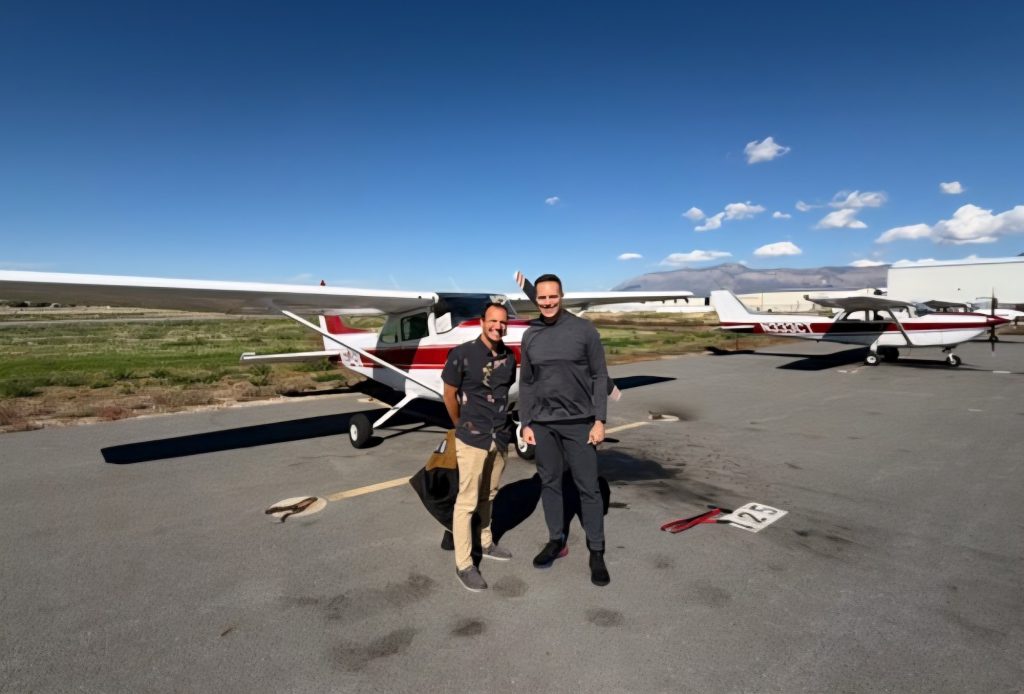
Choosing the right school is a major part of learning how to get a sport pilot license. Look for a school that can explain its aircraft, instructor availability, lesson flow, maintenance process, and full fee structure before you start.
Ask how often you can fly each week. A student who flies once every two weeks may spend extra time relearning skills. A steady schedule helps keep each lesson connected to the last one.
Axiom Aviation is a useful starting point for students in Utah and Idaho. We train at locations in Ogden, St. George, and Idaho Falls, with modern aircraft, high-fidelity simulators, student housing, and a Career Support Center. Sport pilot-specific pricing and duration should be confirmed directly because they can vary by aircraft, pace, and student needs. Prospective students can also review Axiom Aviation’s admissions process before contacting the school.
When you compare schools, ask for a written estimate that separates aircraft rental, instructor time, ground instruction, testing, supplies, and examiner costs. The $4,000 to $8,000 flight-training range often quoted for this certificate is only a planning range. Your total depends on how many hours you need to reach the required standard.
Ground training can happen through an authorized instructor or through home study with instructor endorsement. The required subjects include regulations, charts, weather, aircraft systems, aerodynamics, weight and balance, density altitude, risk management, and flight planning.
Ground school should connect to the next flight. For example, study density altitude before a lesson on takeoff performance. Review weather reports before planning a local route. Work through weight and balance before loading the aircraft. This makes the knowledge easier to use under pressure.
The applicable regulations list the aeronautical knowledge areas you must cover. Keep a record of your ground training or home-study completion. Your instructor will need to confirm that you are ready for the knowledge test and later the practical test.
By now you should have a school, an instructor, a training schedule, and a study plan. You should also know which aircraft category and class you are pursuing. Those details shape the rest of your checklist.
Step 3: Complete the Required Flight Training and Solo Flights
The flight portion turns classroom knowledge into safe aircraft control. For the common single-engine airplane path, plan around at least 20 total hours, with 15 hours of dual instruction and 5 hours solo.
Those numbers are legal minimums, not a promise that you’ll be ready at hour 20. Your instructor must see consistent control, sound judgment, and safe decision-making before recommending the checkride.
Early lessons cover aircraft familiarization, preflight work, taxiing, takeoffs, landings, turns, slow flight, stalls, emergency work, and traffic patterns. You will repeat some tasks. That is normal. A skill must hold up when wind, workload, or a small mistake changes the plan.
Before solo flight, you need a student pilot certificate, pre-solo knowledge training, flight training in the aircraft, and the correct instructor endorsements. Solo authorization is tied to the aircraft, airport, route, and operating conditions. Read every endorsement in your logbook and ask about any limit you don’t understand.
The airplane path includes at least 2 hours of cross-country instruction. You also need a solo cross-country flight of at least 75 nautical miles total. That flight must include full-stop landings at at least two points beyond the departure airport, plus the required route segment.
Cross-country training tests more than navigation. You must plan fuel, weather, runway data, airspace, alternates, aircraft performance, and diversion choices. A route that looks easy on a map can become poor flight plan when wind or weather changes.
Log each flight carefully. Include the date, aircraft, route, flight type, conditions, and duration. Keep dual and solo time separate. A flight with an instructor aboard remains dual instruction, even if you handle every control.
Axiom Aviation’s simulators can add useful practice between aircraft lessons, while its aircraft and instructor structure can help students keep a steady training rhythm. Simulation doesn’t replace required flight time, though. Your logbook must show the required experience in an eligible aircraft.
Step 4: Pass the Sport Pilot Knowledge Test
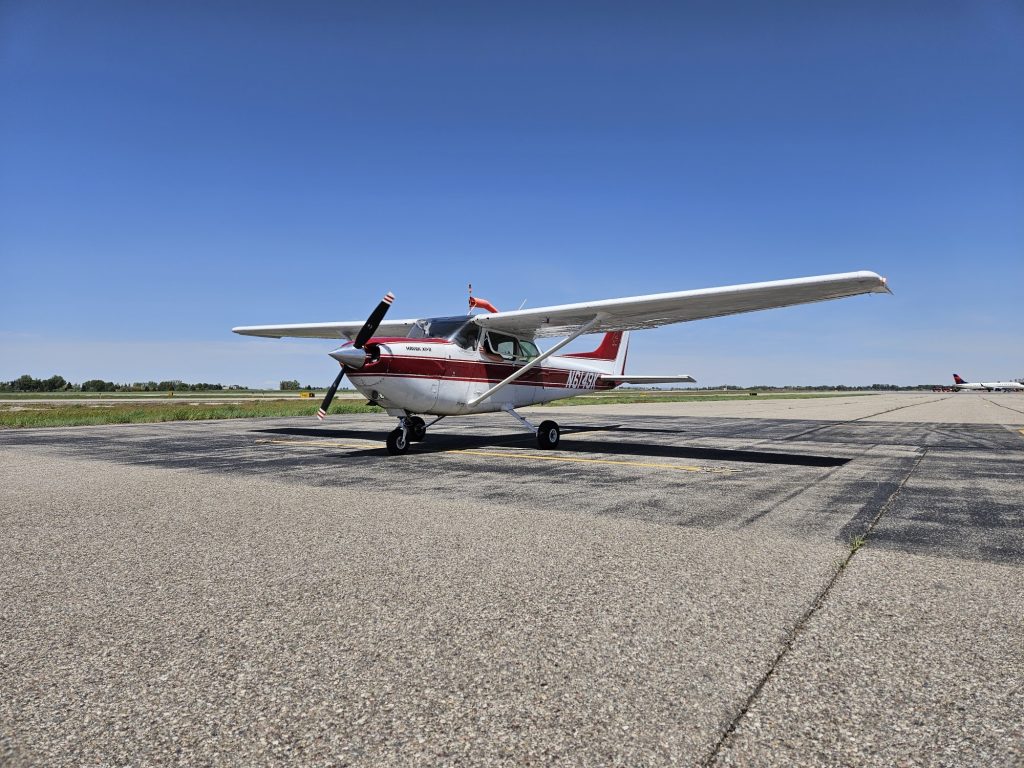
The knowledge test checks whether you understand the rules and decisions behind safe flight. It is separate from the instructor’s pre-solo knowledge check, so passing one does not replace the other.
For the sport pilot airplane exam, prepare for a 40-question multiple-choice test. The reported passing score is 70 percent. The exam covers the same broad topics you studied in ground school, including weather, airspace, navigation, regulations, aircraft performance, and aeronautical decision-making.
Study in short blocks during flight training. After a lesson, write down the questions that came up. If you had trouble with a sectional chart, review charts that same day. If you misjudged wind correction, connect that mistake to your next weather and navigation study session.
Use practice questions to find weak areas, not to memorize answer patterns. You need to explain why an answer is right. That skill will help during the oral part of the practical test.
Schedule the test through an FAA-approved testing facility after your instructor confirms that you are prepared; keep the pilot licensing information available as you review the process.
Keep your score report. If you miss questions, the report identifies subject areas that need review. Your instructor should go over those areas and document any required follow-up before the practical test.
A passing score does not mean you should rush to the checkride. It means you cleared one gate. Keep studying until you can discuss the answers in plain language and apply them to a planned flight.
Step 5: Submit Your Application and Pass the Practical Test
The last stage combines your records, FAA application, oral exam, and flight test. Start the paperwork before you feel rushed by an examiner date.
Work with your instructor to submit FAA Form 8710-11 through IACRA. IACRA is the FAA’s online system for airman certificate applications. Check each entry against your pilot certificate records, logbook, knowledge test report, and instructor endorsements.
Before the practical test, ask your instructor to audit your logbook. The review should confirm the total flight hours, dual instruction, solo time, cross-country work, required landings, recent preparation, and endorsements. It should also confirm that the aircraft meets the applicable sport pilot requirements.
The practical test has an oral portion and a flight portion. The evaluator may ask about regulations, weather, aircraft systems, performance, airspace, navigation, emergencies, and risk choices. During the flight, you demonstrate aircraft control and follow safe procedures while explaining your decisions.
Use the current practical test standards as your study map. Read the task areas with your instructor. Then practice the exact skills in the airplane, rather than treating the checkride as a surprise event.
Check the aircraft well before test day. It must be airworthy, properly equipped, and suitable for the required tasks. Maintenance delays, bad weather, or an aircraft issue can force a reschedule, so keep your plan flexible.
On the day of the checkride, bring the documents your instructor and evaluator request. Arrive early enough to review the aircraft and organize your logbook. If you don’t know an answer, say so and work through the problem safely. Guessing can create a larger concern than admitting you need to check a rule.
After you pass, the evaluator completes the certification process and you receive the privileges authorized by your certificate. If you do not pass every task, the evaluator explains what needs more work. Your instructor can then build a focused plan for the retest.
FAQ: Getting a Sport Pilot License
How long does it take to get a sport pilot license?
Most students should plan on about two to three months of steady flight training, though the actual time varies. Ground study may take several weeks, and solo preparation can add more time. Weather, aircraft availability, instructor schedules, and your learning pace all affect the finish date.
How many hours do you need for a sport pilot license?
You need at least 20 total flight hours for the common single-engine airplane path. That includes 15 hours with an authorized flight instructor and 5 hours solo. The required experience also includes cross-country instruction, specific landings, and a solo cross-country flight. Many students need more than the legal minimum before they are checkride-ready.
Can you get a sport pilot license without a medical certificate?
Some applicants can use a valid U.S. driver’s license instead of an FAA medical certificate for eligible sport pilot operations. The privilege has conditions and does not apply to every medical history or flight. A prior medical denial, suspension, or revocation may change your eligibility, so review your case before training begins.
How much does a sport pilot license cost?
A reasonable planning range for flight training is about $4,000 to $8,000, but your final cost may be higher or lower. The main variable is the number of hours you need. Add aircraft rental, instructor time, testing, supplies, and examiner charges to your school’s estimate. Ask for a written breakdown before enrolling.
Is a sport pilot license the same as a private pilot license?
No. A sport pilot certificate has narrower privileges and aircraft limits than a private pilot certificate. It can suit someone who wants personal daytime flying within those limits. If you want broader aircraft access, more passenger options, or a path toward advanced ratings, compare it with the private pilot license path in Utah before choosing.
Conclusion
The safest way to begin is to confirm your eligibility, choose a school with clear records and costs, then train on a steady schedule. Axiom Aviation can help you compare a suitable training path at its Utah and Idaho locations. Your next step is simple: gather your medical documents, write down your goals, and ask the school for a sport pilot training plan before booking your first lesson.