
The pilot career path has clear milestones, but it isn’t one straight road. You must earn the right certificates, build meaningful flight time, and plan for a long period before airline pay begins. Training costs can range from a reported $60 outlier to nearly $124,000, so you need more than a school brochure before choosing where to train.
What the Pilot Career Path Looks Like
The airline pilot career path usually starts with civilian flight training, though military pilots may enter the airline market after service. Most civilian students begin with no flight time, earn a private certificate, then move through instrument and commercial training.
After commercial training, many pilots earn instructor certificates. That step matters because it lets them get paid while building the flight hours needed for an Airline Transport Pilot certificate. Under the standard U.S. route, pilots build the flight time required for that certificate.
The broad sequence looks like this:
- Private Pilot Certificate, often called a PPL.
- Instrument Rating for flight by reference to instruments.
- Commercial Pilot Certificate.
- Multi-engine rating for aircraft with more than one engine.
- CFI and often MEI instructor certificates.
- Flight-hour building until you meet ATP requirements.
- Airline interviews, training, and a first officer position.
Airline work falls into several groups. Regional airlines connect smaller cities with major hubs. Major airlines fly larger networks. Cargo airlines move freight instead of passengers. The aircraft, schedule, base, pay, and promotion pace can differ a lot between employers.
A military route follows a different order. It may require a degree, officer training, military pilot school, and a service commitment. After leaving the service, some pilots apply to a regional airline. Others may qualify for a major airline based on their aircraft and leadership experience.
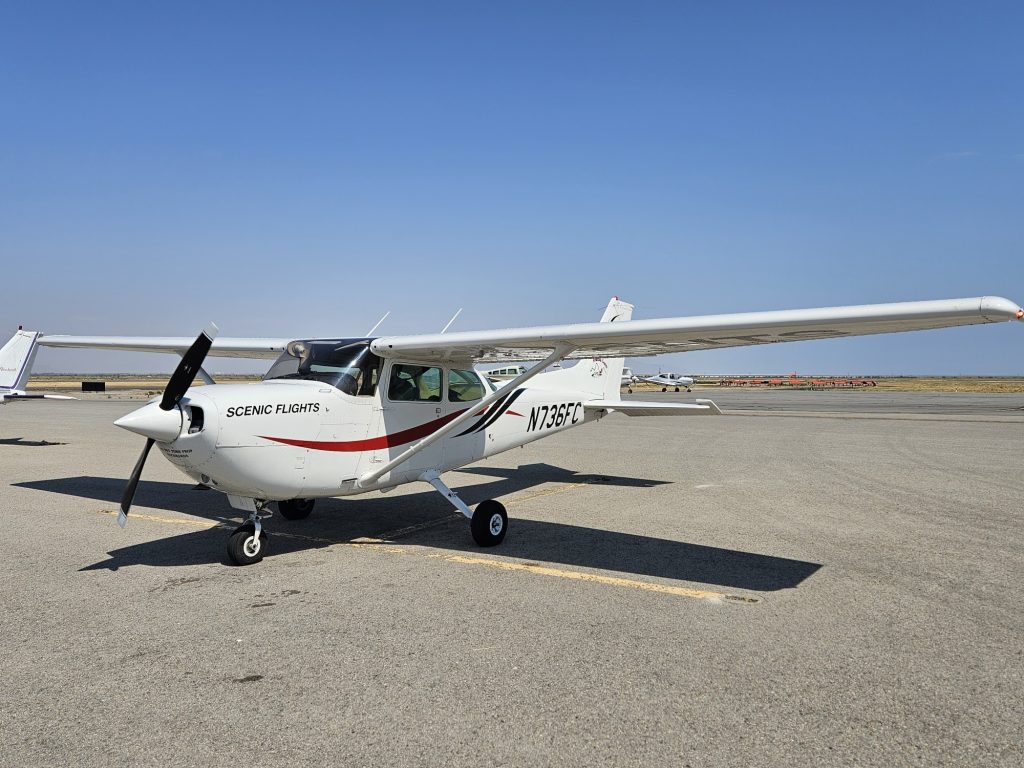
There is no single perfect timeline. Full-time students may move through ratings quickly, while people with jobs or family duties may train part time. The better plan is the one that keeps your lessons regular and your budget intact.
The Licenses and Ratings You Need
The pilot career path is sequential. Each certificate gives you a new legal privilege, but it doesn’t replace the earlier skills.
Private Pilot Certificate
The PPL is your entry point. It teaches aircraft control, basic navigation, weather judgment, radio work, and safe decision-making. You can carry passengers, but you generally can’t fly for compensation with only a private certificate.
Instrument Rating
An instrument rating lets you fly under Instrument Flight Rules, known as IFR. Instead of relying mainly on outside visual references, you use approved instruments and air traffic procedures. Airline flying depends heavily on these skills, so this stage deserves steady study rather than a rushed checkride.
Students who want a clear map of the certificate sequence can review Axiom Aviation’s airline pilot training steps while comparing their own goals with a flight instructor.
Commercial Pilot Certificate
The commercial certificate allows you to fly for compensation or hire when the operation meets the applicable rules. It raises the standard for precision and judgment. It also opens the door to paid entry-level flying work.
Multi-engine Rating
Airline pilots work in aircraft with multiple engines, so most aspiring airline pilots add multi-engine privileges. The rating teaches engine-out procedures, aircraft control, performance planning, and crew-focused decision-making.
Instructor Certificates
A CFI can teach flight students. Additional instructor qualifications can add instrument instruction. An MEI adds multi-engine instruction. You don’t need to become an instructor, but it is the most common way civilian pilots build hours after commercial training.
Advanced Pilot Qualification
This advanced qualification is used for airline transport operations. The standard airplane route normally requires age 23, the right certificates and ratings, a medical certificate, and testing. A restricted version may apply to some pilots who qualify through approved college or military routes.
Before spending heavily on training, check your medical eligibility. Applicable pilot certification rules set the training and experience framework, while an Aviation Medical Examiner can assess your personal medical situation.
How Pilots Build Flight Hours and Experience
Flight-hour building is the longest part of the civilian pilot career path. You may finish commercial and instructor training with roughly 250 hours, then spend many more months gaining the experience required for an ATP.
Flight instructing is popular because both the student and instructor can log time on a training flight when the rules allow it. You teach traffic patterns, radio work, cross-country planning, and instrument procedures. Teaching also forces you to explain each choice, which can sharpen your own habits.
It isn’t the only option. Low-time pilot jobs may include:
- Aerial survey work.
- Banner towing.
- Skydiving operations.
- Cargo feeder flying.
- Other local commercial operations.
Each job has tradeoffs. Instruction may give you a steady way to build time, but it can depend on student demand and weather. Survey work may involve long days away from home. Banner towing can demand careful low-altitude work. Ask what kind of time you will log, how often you will fly, and who pays for repositioning or travel.
Keep your logbook clean from the first lesson. Track total time, pilot-in-command time, cross-country time, night time, and instrument time. Airline applications may require more than a total-hour number, and a weak logbook audit can delay an interview.
Axiom Aviation’s guidance on becoming a flight instructor for an airline career explains why the CFI route is so common. At Axiom Aviation, we also work with aspiring airline professionals who want a training plan tied to the next job, not just the next checkride.
Think of the experience goal as a planning marker, not a finish line. You still need sound judgment, strong instrument habits, accurate records, and the ability to work well with other crew members.
Choosing a Training Route and Managing Costs
Training route and budget shape the pilot career path from day one. You can train part time at a local school, follow an accelerated full-time program, attend a college aviation program, or pursue military aviation.
A university route may combine a degree with flight training. That can suit students who want a campus experience or want a degree as a backup. It may also cost more because tuition, housing, fees, and flight lab charges can sit in separate budgets.
An accelerated academy can reduce gaps between lessons. That helps skills stay fresh, but the schedule demands focus and reliable funding. A part-time route may be easier to pay for, though the longer gaps between flights can slow progress.
Published school figures show why comparison takes care. Tuition amounts vary between schools, yet listed amounts may not cover the same aircraft rental, exam, housing, or instructor costs.
Several schools disclosed tuition while leaving fleet details blank. Only 48% reported aircraft fleet numbers. That gap matters when you may need to move to train and depend on aircraft availability each week.
| Question to ask | Why it affects your plan | What to request in writing |
|---|---|---|
| What does the quoted tuition include? | A low headline figure may leave out key stages. | Aircraft, instructor, exam, and study costs. |
| How many aircraft fit my training plan? | Maintenance or demand can limit lesson slots. | Fleet count, aircraft types, and backup plans. |
| What simulator is available? | Simulator time can support procedure practice. | Simulator type, access rules, and fees. |
| Where will I live? | Rent and travel can change the monthly budget. | Housing partners, local rent guidance, or —. |
| What happens after CFI training? | You need a plan for earning flight time. | Instructor hiring process and hour-building expectations. |
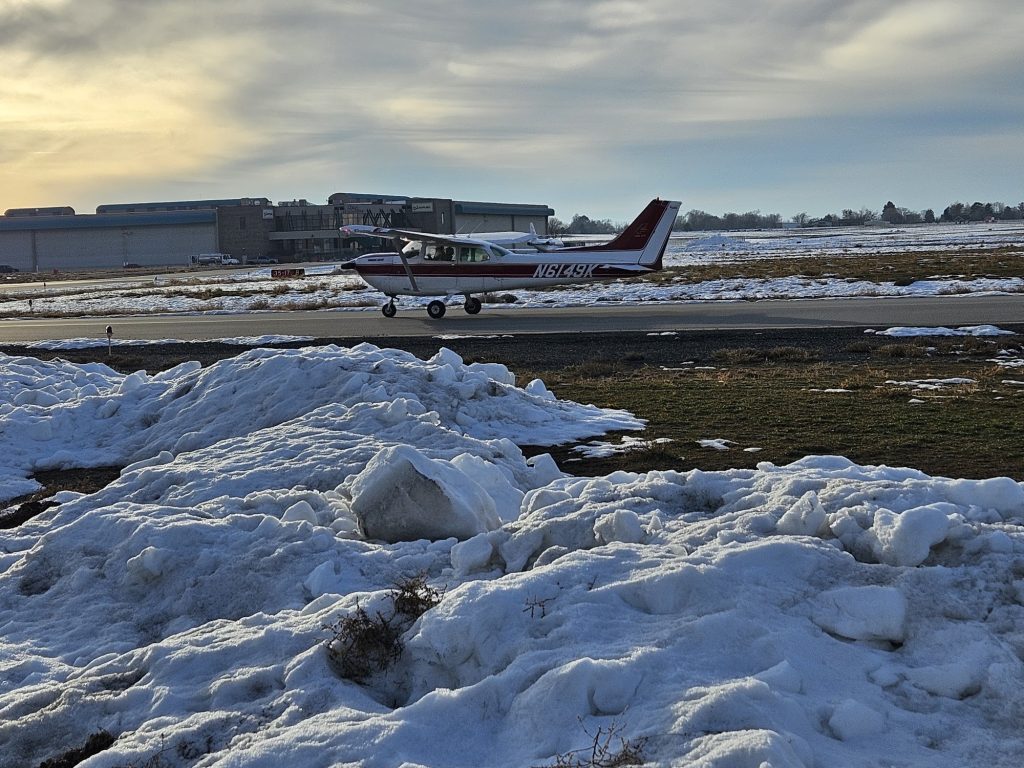
Axiom Aviation is built for U.S. students seeking safe, cost-effective training with clear pricing and no hidden fees. We train at locations in Ogden and St. George, Utah, plus Idaho Falls, Idaho. Ask for a full estimate that separates flight time from tests, gear, housing, and the period when you will build hours.
From First Officer to Airline Captain
Reaching an airline cockpit is a major milestone, but the pilot career path keeps moving after your first hire. You usually begin as a first officer, also called a copilot. You support the flight while learning the airline’s aircraft, procedures, and crew system.
Airline hiring includes company training, written tests, simulator work, and supervised operating experience. The process is demanding because the airline must confirm that you can apply procedures under pressure while working with a captain and the rest of the crew.
Seniority becomes the main career system after you join an airline. Your hire date can affect your aircraft bid, base, schedule, vacation choice, pay step, and captain upgrade. If you change airlines, you normally start again at the bottom of the new seniority list.
That makes a job change a serious choice. A move to a larger carrier may improve long-term options, but it can also mean giving up seniority at your current airline. Hiring cycles also shift with retirements, growth, and the wider economy.
Captain upgrade timing is never guaranteed. It depends on fleet growth, company staffing, training capacity, and your place in line. Strong performance still matters, since you must pass recurrent checks and show sound judgment throughout your career.
At Axiom Aviation, our training focus is aimed at the habits airlines expect later: careful preparation, clear communication, and respect for standard procedures. Begin your aviation journey with a plan that covers the first lesson and the years after your first airline offer.
Frequently Asked Questions About the Pilot Career Path
How long does it take to become an airline pilot?
The timeline commonly takes about two and a half to four years for a full-time civilian student to reach a regional airline, though results vary. Initial ratings may take 12 to 18 months, followed by roughly 12 to 24 months of hour building. Weather, aircraft access, finances, study pace, and hiring conditions can all change the schedule.
Do I need a college degree to become an airline pilot?
You may become an airline pilot without a four-year degree, depending on the airline’s current hiring rules. A degree can still help with some applications and gives you another career option. Check each employer’s standards before choosing a university route, because legal minimums and company preferences aren’t always the same.
How many flight hours do airline pilots need?
Most pilots on the standard U.S. route need to meet the required total flight hours for airline operations. The logbook must also contain the right mix of cross-country, night, instrument, and pilot-in-command time. Some eligible college or military pilots may qualify at a lower total-hour threshold.
Is becoming a flight instructor required?
Becoming a flight instructor isn’t required, but it is the most common civilian way to build hours. A CFI can earn money while teaching, and the work helps develop communication and judgment. Other pilots use survey, banner, skydiving, or cargo jobs. Your choice should fit the kind of flying and schedule you want.
How much does pilot training cost?
Pilot training costs vary widely because schools include different aircraft time, instructor hours, exams, materials, and fees. Treat any headline price as a starting point until the school gives you a full written estimate.
What should I do before starting flight school?
Start with a first-class medical exam and a written budget. Then compare lesson frequency, aircraft access, instructor availability, simulator details, housing, refund terms, and the plan for building hours. Axiom Aviation can help you map those questions to a training route before you commit to a full program.
Conclusion
Choose a flight school that explains the full route, not just the first certificate or a low headline price. Before you enroll, complete a first-class medical exam, request an itemized estimate, and ask how you will build hours after commercial training. With that plan in hand, you’re ready to launch your aviation career with fewer costly surprises.