
Flying for a living can bring strong pay, rare views, and a career that never feels stuck behind a desk. But the cockpit also brings steep training costs, odd hours, fatigue, and serious pressure. Here’s a clear look at the main pros and cons of being a pilot, plus where Axiom Aviation fits if you’re ready to begin your aviation journey.
1. Axiom Aviation, A flight-school lens on the pilot-career decision
Axiom Aviation is a flight school for future airline professionals. We train students in Ogden and St. George, Utah, plus Idaho Falls, Idaho.

For someone weighing a pilot career, that matters because the first choice is often the training path. A school should explain the full route, including the private pilot license, commercial certificate, instructor certificates, and the flight hours needed for airline work. It should also make fees clear before training starts.
Axiom Aviation was founded in 2015 with a focus on safe, cost-aware training without hidden fees. We work with aspiring pilots who want a clear path toward airline employment. That does not remove the hard parts. You’ll still face exams, checkrides, study time, and early-career financial strain.
It does give you a place to test the fit before making a larger commitment. Ask about aircraft access, instructor changes, weather delays, financing, and the expected time to each certificate.
2. High Salary and Lucrative Compensation, Strong earning potential after progression
High pay is one of the clearest benefits in the pros and cons of being a pilot. The catch is timing. A new pilot usually earns less than a senior captain, and airline pay often depends on rank, aircraft, seniority, and credit hours.
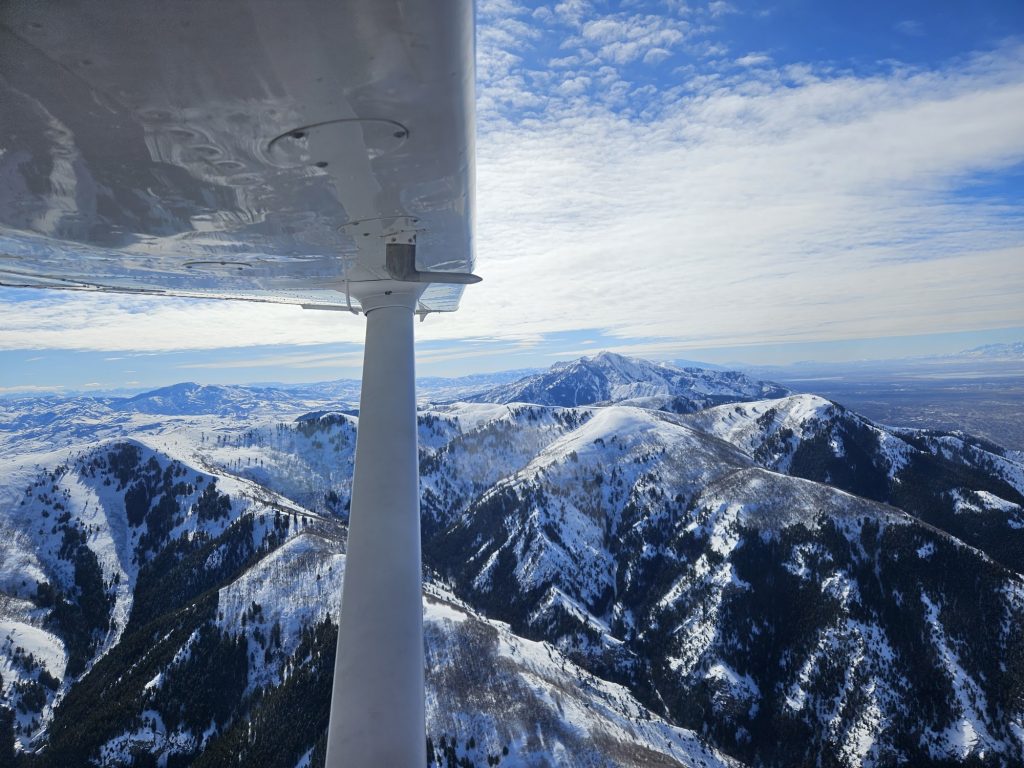
Research collected for this topic reports that airline pilots can reach strong compensation after progression. Major-airline roles tend to provide better long-term pay than regional jobs. Some sources also point to benefits such as retirement plans, health coverage, profit sharing, and travel privileges.
That gap makes career stage vital. A regional First Officer may take the first airline job to build experience. Later, a move to a major carrier can bring a better schedule and higher pay. The path can work, but you need a budget for the years before the top of the pay scale.
Pay also isn’t a flat salary in every airline job. Contracts may set hourly rates and monthly credit guarantees. Training days, reserve periods, per diem, bonuses, and retirement contributions can change the full picture. Our guide to commercial pilot salary in Utah can help you compare career-stage pay with more care.
High compensation is possible. It isn’t instant, and it shouldn’t be the only reason you choose the cockpit.
3. Strong Demand and Job Stability, A favorable outlook with industry caveats
Demand can make piloting an attractive career choice, but job stability depends on the airline cycle. Airlines may hire heavily when travel demand rises, then slow hiring during economic shocks, high fuel costs, or major fleet changes.
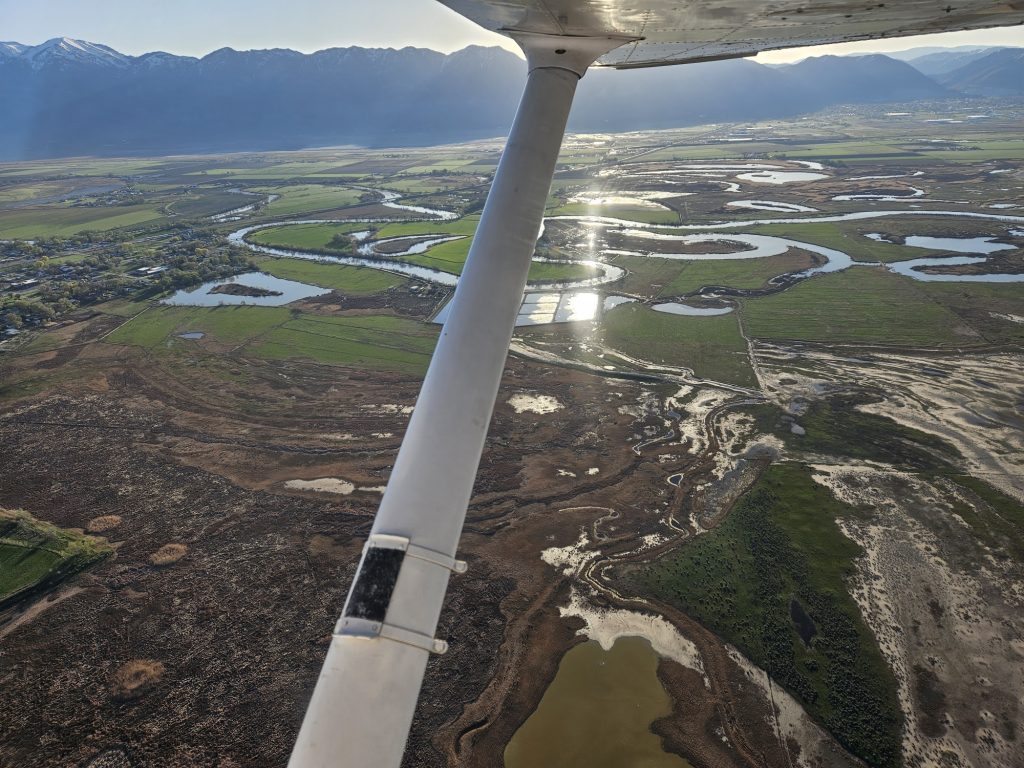
The research used for this article points to a need for many new pilots as airlines grow and experienced pilots retire. It also notes that pilot shortages can lead to signing bonuses, tuition support, or other hiring incentives. Those offers can reduce pressure after training, but they don’t guarantee a job for every graduate.
Regional airlines often hire pilots with less experience than major carriers. That makes them a common first airline step. Yet the lower entry barrier can come with harder schedules and less control over where you live. Major airlines may ask for far more flight time, but they often provide more predictable work once you gain seniority.
Job security also depends on your record. Medical certification, checkrides, training performance, and company policy all matter. Keep your skills current and treat each evaluation as part of the job, not a one-time hurdle.
4. Travel and New Places, Seeing more of the country and world
Travel is a major reason people search the pros and cons of being a pilot. You may visit cities and countries that would be hard to reach in a normal office job. Some pilots also receive employee travel benefits when seats are available.
The best trips can give you a new view of the world. You might see a sunrise above a cloud layer, land in a place you’ve never visited, or spend a layover with crew members from different backgrounds.
But a work trip isn’t the same as a holiday. You may arrive tired, stay near the airport, or have only a short window before the next duty period. A destination can look exciting on paper and feel ordinary after delays, weather problems, or a long duty day.
Standby travel benefits have limits too. If a flight is full, you may need another route. That can make personal travel hard when you have a fixed event or tight arrival time. Travel is a real perk, but flexibility is part of the price.
5. Flexible but Irregular Schedules, More days off, fewer traditional routines
A pilot schedule can provide more days off than a standard Monday-to-Friday job. It can also make family plans harder. That tension sits at the center of many pilot career pros and cons.
Airline schedules are built around duty limits rather than a fixed office day. One cited source describes duty periods that can last roughly 9 to 14 hours for some unaugmented crews, with rest rules between duties. Flight time is only part of the work. Planning, weather review, briefings, boarding delays, and post-flight tasks also take time.
New pilots usually have less control. A junior pilot may fly reserve, which means being available to cover an open trip. Once you gain seniority, you may have more say through line bidding. Senior pilots often get better access to preferred days off, trips, seats, or aircraft.
Long-haul work can mean several nights away, followed by time at home. Short-haul work may bring more nights at home but more takeoffs and landings in a single day. Neither pattern is easy for every household.
Before you commit, picture a birthday, holiday, or school event on a workday. Can your family handle that trade?
6. Career Advancement and Transferable Skills, A profession with multiple pathways
Career growth is one of the stronger advantages in the pros and cons of being a pilot. You can move from student pilot to instructor, then into charter, cargo, regional airline, or major-airline work.
The usual airline path includes first officer work followed by captain training. Advancement depends on flight hours, company needs, training results, and seniority. At many airlines, seniority affects more than pay. It can shape your aircraft choice, base, schedule, and vacation bids.
Pilots can also move into roles outside daily line flying. Possible paths include flight instruction, check pilot work, safety roles, training management, and airline operations. Some pilots choose a professional flying job outside airlines. Our page on professional pilot careers beyond airlines covers that broader choice.
The skills can travel with you. Pilots learn to follow checklists, manage time, speak clearly, work in a crew, and make decisions with incomplete information. Those habits can help in training, safety, dispatch, and management roles.
Career growth slows if you lose medical eligibility or stop meeting company standards. Keep that risk in view while planning your long-term path.
7. Prestige and Personal Fulfillment, Responsibility that can feel deeply meaningful
Many pilots find deep satisfaction in learning a complex aircraft and carrying responsibility for people’s safety. The cockpit also gives you a clear task. You prepare, brief the crew, manage the flight, and respond when conditions change.
That sense of purpose can stay strong after the novelty fades. Some pilots love the aircraft itself. Others enjoy the view, the teamwork, or the quiet focus required during a busy arrival.
Respect comes with a cost. Passengers trust you without seeing the work behind each decision. A weather diversion, mechanical issue, or difficult approach can place pressure on the crew. You must stay calm even when a plan changes fast.
There is also emotional strain during training. A failed checkride can shake your confidence. So can a slow hiring cycle or a medical concern. A love of flying helps, but professional habits matter more than glamour.
8. High Training Costs and Financial Investment, The biggest entry barrier
The largest drawback for many aspiring pilots is the cost of training. Training providers may quote different total costs for students starting without previous flight experience. The total may include training and certification needed for commercial pilot work with flight instructor certificates, while some exam fees may sit outside the quoted amount.
That number is a planning guide, not a universal price. Your total can change with location, aircraft, weather, instructor availability, retakes, living costs, and the pace of your training. Required minimum flight hours also don’t guarantee that you’ll be ready at the minimum.
The surprising part is that a high cost does not always mean a long education timeline. Pilot training can take less time than the education path for a doctor or lawyer, yet it still demands intense study and steady cash flow.
Financing may help, but loans create a monthly obligation before your airline pay reaches its later stages. Ask for a full cost sheet. Check what happens if you need extra flight hours. Find out which fees are paid to the school and which go to examiners or agencies.
Axiom Aviation can help future pilots compare the training route with their budget and career goal. The right plan should reduce surprises, not hide them.
9. Health, Fatigue, and Lifestyle Challenges, Managing the physical demands
Fatigue is one of the hardest pilot drawbacks because it can affect safety, focus, and judgment. Early report times, late arrivals, time-zone shifts, and repeated duty days can wear you down even when you enjoy flying.
Fatigue, illness, medication, stress, alcohol, and strong emotions can affect a pilot’s ability to fly safely. Pilots should not fly when an upsetting event has reduced their alertness or judgment.
Sleep is only one part of the problem. Pilots may struggle to eat well during short layovers. A hotel gym may be available, but duty fatigue can make exercise hard. At home, days off may go toward errands, family time, and recovery.
Human factors can add another layer. Reduced situational awareness, communication problems, and lower cognitive flexibility can all create concerns. These terms sound technical, but the risk is plain: tired people may miss a cue or respond less well to change.
Good routines help. Protect sleep, limit alcohol, plan food, and speak up when you’re unfit to fly. Safety has to outrank pride.
10. Commuting, Regional Airlines, and Long-Term Benefits, Trade-offs beyond the cockpit
Commuting can change the pilot lifestyle before the workday even starts. If you don’t live near your assigned base, you may need to travel on a separate flight or drive for hours. A missed connection can create stress before your first leg.
Living in base usually gives you more control. You can spend less time getting to work and may have more room for extra trips, errands, or rest. Moving closer to base can solve the commute, but relocation brings housing and family costs.
Regional airlines can provide an entry point with lower flight-hour requirements than major airlines. Yet research used for this article found a sharp trade-off: regional work may demand more daily effort and weaker work-life balance, while major carriers tend to bring better schedule control and compensation after you qualify.
Trip efficiency matters too. A smaller regional jet may complete many short legs in one trip. A larger aircraft may fly longer routes with fewer legs. The pay difference isn’t captured by flight hours alone because the workload between those hours can feel very different.
Long-term benefits can improve the financial picture. Retirement contributions, health coverage, per diem, bonuses, and profit sharing may add value beyond hourly pay. Read the contract closely. The headline wage rarely tells the whole story.
Pilot Career Pros and Cons at a Glance
| Career factor | Potential advantage | Main trade-off | Best fit for |
|---|---|---|---|
| Pay | Strong earning potential after progression | Early pay may not match training debt | People willing to plan for a long career |
| Schedule | Many days off in some patterns | Reserve work, weekends, and holidays | People who can handle changing plans |
| Travel | New places and employee travel benefits | Layovers can be short or tiring | People who enjoy movement |
| Training | Clear certificate-based path | High upfront cost and study load | Students with a firm funding plan |
| Job demand | Hiring incentives may appear during shortages | Economic cycles can slow hiring | People with patience and backup plans |
| Health | Regular medical oversight supports awareness | Fatigue and disrupted sleep | People who protect rest and fitness |
FAQ
Is being a pilot worth it?
Being a pilot can be worth it if you value flying enough to accept the cost, training pressure, and irregular schedule. The career can bring strong later-stage pay, travel, and advancement. It may be a poor fit if you need fixed weekdays, dislike frequent evaluations, or cannot manage a large training bill.
What are the biggest disadvantages of being a pilot?
The biggest disadvantages include high training costs, fatigue, time away from home, commuting, and limited schedule control early in your career. Regional airline work may provide an easier entry point, yet it can involve more legs and weaker work-life balance than later major-airline roles.
Do pilots make good money?
Pilots can make good money, but earnings vary by airline, rank, aircraft, seniority, and monthly credit hours. Regional First Officer pay differs from major-airline captain pay by a wide margin. Look at total compensation, including retirement funds, per diem, bonuses, and health benefits.
How much does it cost to become a pilot?
Becoming a pilot can cost a substantial amount, depending on the school and student. Costs vary by school and student. Ask about extra flight hours, checkrides, supplies, housing, medical exams, and financing before you enroll.
Is the pilot lifestyle hard on families?
The pilot lifestyle can be hard on families because work may include nights away, holidays, reserve periods, and changing monthly schedules. Seniority can improve schedule control, but it takes time. Families should discuss childcare, travel, missed events, and the effect of commuting before training begins.
What should I do before starting pilot training?
Before starting, get the right medical information, build a full budget, and talk with a flight school about the certificate path. Compare the cost of extra hours and ask how instructors handle weather delays. Axiom Aviation is one place to discuss an airline-focused training plan before you commit.
Conclusion
A pilot career fits people who want responsibility, travel, and long-term earning potential more than a fixed daily routine. If that sounds like you, begin with a medical review and a written training budget, then speak with Axiom Aviation about the next step toward launching your aviation career.