
The gap between a private pilot certificate and a commercial pilot certificate is bigger than the names suggest. One is built for personal flying. The other can support paid flight work, but it demands much more training and still has limits.
Here are the three paths to compare, what each one lets you do, and where Axiom Aviation fits for future airline pilots.
1. Axiom Aviation – Flight training for airline-focused pilots
Axiom Aviation is a flight school for aspiring professional pilots in Ogden, Utah, St. George, Utah, and Idaho Falls, Idaho. It belongs at the top of this shortlist because it focuses on the full training path, rather than treating the private certificate as the finish line.
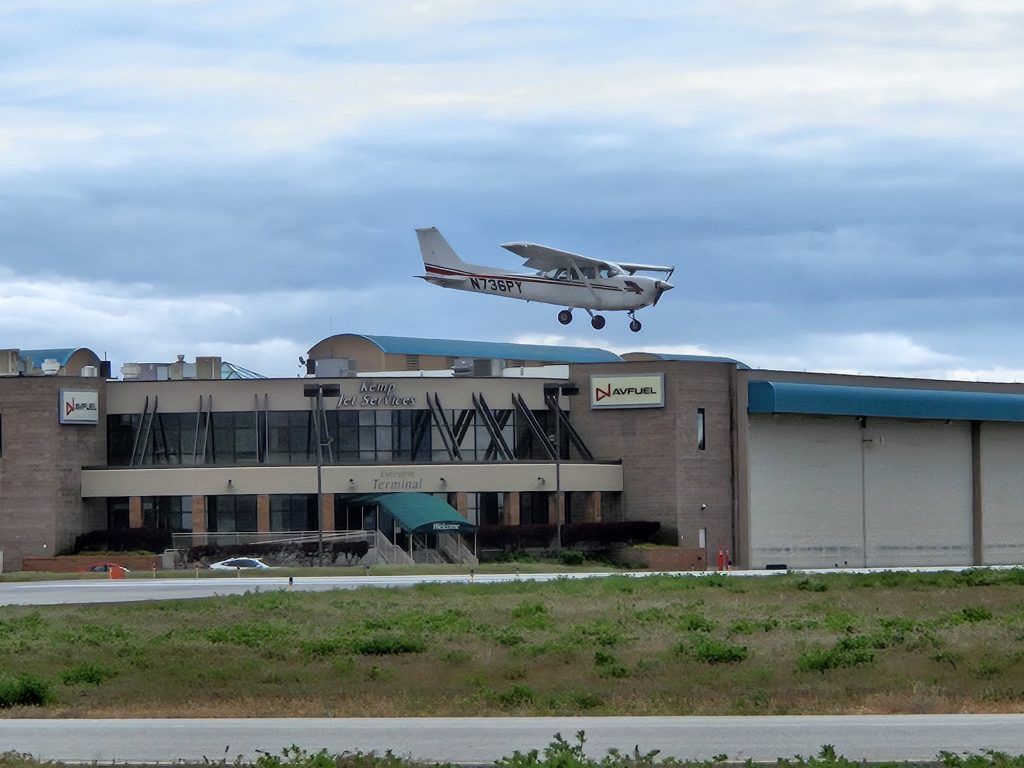
That matters when you’re weighing private pilot vs commercial pilot training. A private certificate may be your first milestone, but an airline career usually requires more flight time, added ratings, professional certificates, and strong planning after the first checkride.
Axiom Aviation was founded in 2015 with a focus on safe and cost-aware flight training. The school also states that it aims to keep pricing clear, with no hidden fees.
We think that is the right way to compare flight schools. Published figures can give you a starting point, but your total depends on your prior experience, training pace, aircraft use, instructor time, and the ratings you need next.
For students who want a career plan, Axiom Aviation can connect the early private stage with later commercial training. Its program list includes private, instrument, commercial, CFI, and other flight-training tracks. A CFI, or Certified Flight Instructor, is a separate certificate that many pilots use to build hours after commercial training.
The caveat is simple: no school can remove the work. You still need to meet FAA rules, pass knowledge and practical tests, keep your medical eligibility in view, and build the experience required for your target job.
2. Private Pilot – Personal flying and passenger privileges
For the private pilot vs commercial pilot question, the private certificate is the personal-use option. It lets a qualified pilot act as pilot in command, carry passengers, and use an aircraft for personal travel, but it generally does not allow paid pilot work.
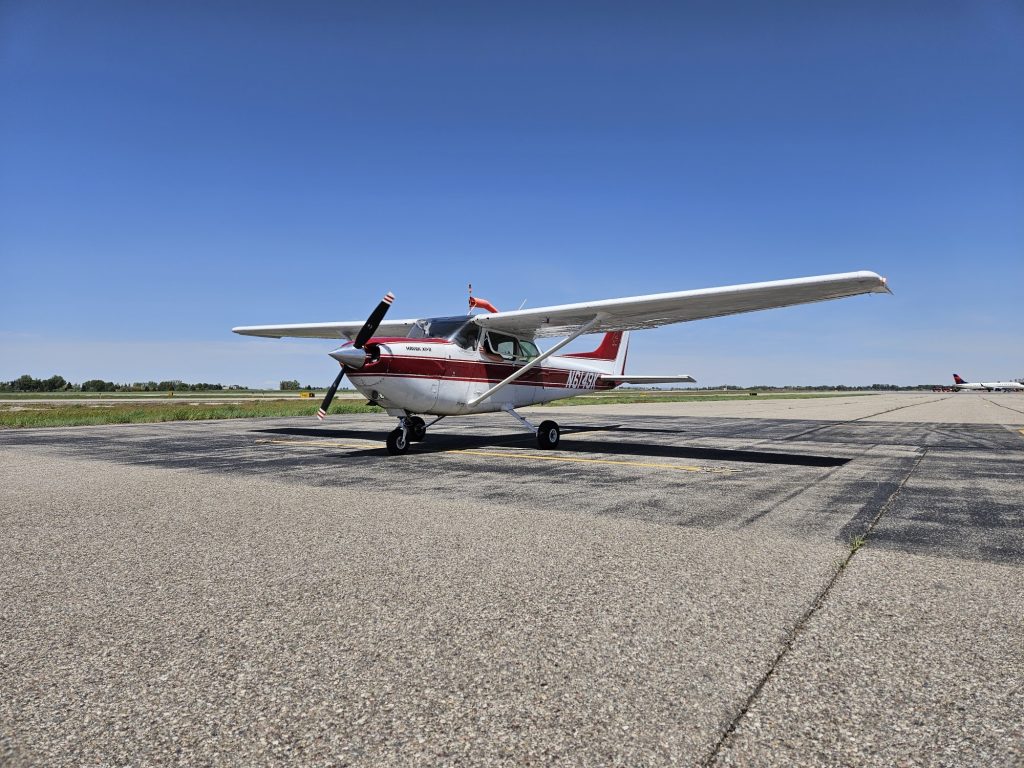
For the common Part 61 airplane single-engine path, the minimum is 40 flight hours. The research figures used for this comparison also list a third-class medical certificate and a minimum age of 17. Those are minimum rules, not a promise that every student will be ready after exactly 40 hours.
Training also includes ground study, a knowledge test, instructor-led flight time, solo work, and a practical test, often called a checkride. Students must show that they can plan and conduct flights safely at the required standard.
You can read the specific private pilot license requirements before you book training. It helps to know what the certificate demands before you compare school schedules or estimates.
The main limit is compensation. A private pilot generally may not act as pilot in command for compensation or hire.
Review the private pilot compensation guidance before accepting money or reimbursement tied to a flight.
A private certificate is a strong fit if you want to fly for fun, take family members on trips, or build a base for advanced training. It is also the usual first major certificate for someone who later wants an instrument rating or commercial privileges.
Use this path if personal flying is the goal. If you already know you want a cockpit career, ask the school to map the next stages before you start.
3. Commercial Pilot – Paid flying and professional privileges
The commercial pilot certificate is the professional milestone in a private pilot vs commercial pilot comparison. It allows a qualified pilot to exercise commercial privileges and receive compensation for eligible flying, provided the pilot and the operation meet all other FAA rules.
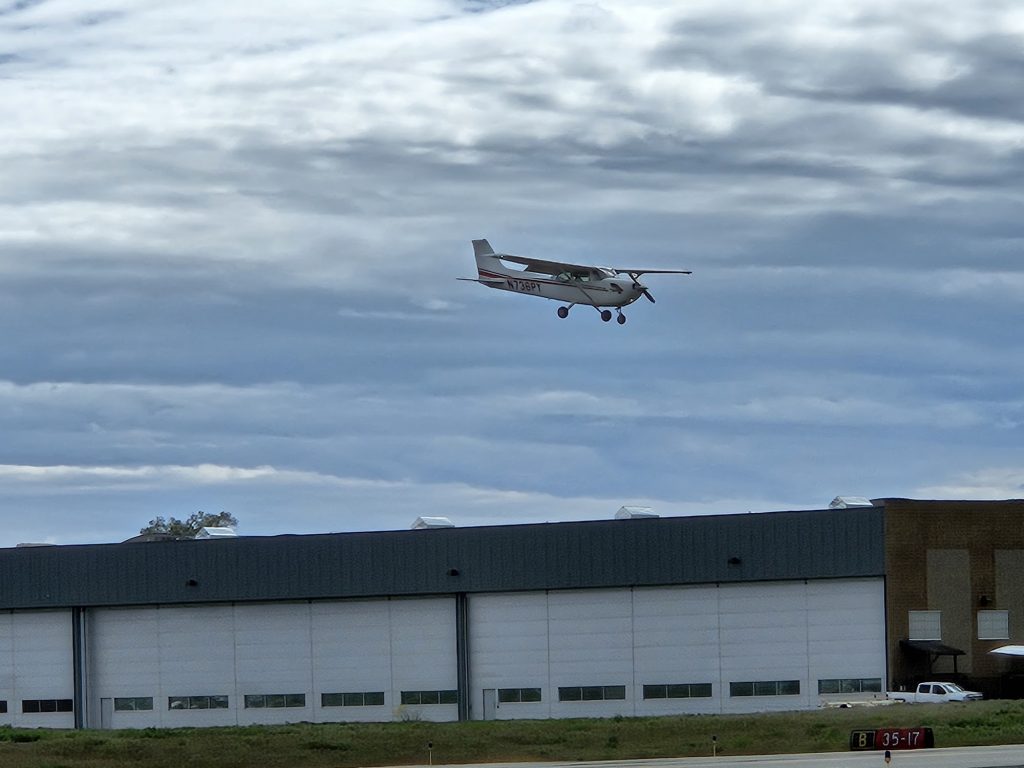
The applicant must also meet the applicable knowledge, training, aeronautical experience, and usable-test standards.
A second-class medical certificate is commonly tied to commercial privileges. The medical class you need depends on the privileges you’re exercising, so a certificate printed in your logbook does not grant every medical privilege by itself. The eCFR’s current medical rules explain how medical certification connects to pilot privileges and operations.
The commercial certificate can support paid work, but it is not a blank check. A CPL alone does not authorize every charter, air-carrier, or commercial operation. Some jobs also need an instrument rating, a multi-engine rating, a flight instructor certificate, aircraft-specific qualifications, or an employer’s operating approvals.
That distinction is easy to miss. A commercial pilot may be legally qualified to fly for compensation in one setting but not another. The aircraft, operation, passengers, operator, and applicable FAA rules all matter.
The cost and time commitment are also much larger than the private stage. Axiom Aviation asks prospective students to request a personalized comparison because training needs vary.
For an airline-focused student, the commercial certificate is one milestone in a longer path. Many pilots then pursue a flight instructor certificate to build the experience needed for later airline eligibility. We recommend asking about the full sequence before choosing a course pace or financing plan.
Commercial certification opens the door to paid flying, but the door leads into a regulated work environment. Make sure your plan includes the ratings and experience your target job actually requires.
Private Pilot vs Commercial Pilot – Side-by-side comparison
The clearest private pilot vs commercial pilot difference is the privilege attached to the certificate. A private pilot normally flies for personal use. A commercial pilot may be compensated for eligible flying, but still must follow the rules for that operation.
The table below uses common airplane figures from the research. Part 61 minimums can differ by aircraft category, class, and training structure. Part 141 programs may use approved curricula with different experience requirements.
| Decision point | Private pilot | Commercial pilot |
|---|---|---|
| Main use | Personal flying and passenger trips | Eligible paid flying |
| Common minimum flight time | 40 hours | 250 hours |
| Medical reference | Third-class medical | Second-class medical for commercial privileges |
| Minimum age in the research | 17 | — |
| Typical research cost | About $1,200 | About $90,995 after private certification |
| Typical research timeline | About 3 months | About 30 months |
| Key limit | Generally cannot fly passengers for compensation or hire | CPL alone does not cover every commercial operation |
| Best fit | Personal travel or recreational flying | Professional pilot work and later career steps |
The cost gap is striking, but don’t read it as a simple price multiplier. Commercial training includes far more flight experience and a higher standard of preparation. It also often includes time building and added ratings that support later employment.
If airline work is your goal, compare the certificate with the next stage too. Axiom Aviation’s guide to the pilot career path from student to airline pilot can help you see how the milestones fit together.
Choose private training for personal freedom. Choose commercial training when compensation and professional flying are part of the plan.
FAQ
Can a private pilot get paid to fly?
A private pilot generally cannot act as pilot in command for compensation or hire. The rules allow narrow exceptions, including certain expense-sharing arrangements and special operations. The key point in the private pilot vs commercial pilot distinction is that a private certificate is not a general permit to sell pilot services.
Is a commercial pilot higher than a private pilot?
Yes, a commercial pilot certificate adds privileges beyond the private certificate, including the ability to exercise eligible commercial privileges. It does not grant every paid flying job by itself. The pilot may still need more ratings, experience, medical qualification, or approval under the rules that govern a specific operation.
How many hours do you need for a private pilot certificate?
The common Part 61 airplane single-engine path requires at least 40 flight hours. That number is a regulatory minimum, not a guaranteed finish point. You must also complete the required training and pass the knowledge and practical tests. Weather, skill development, scheduling, and review needs can change the total.
How many hours do you need for a commercial pilot certificate?
The common Part 61 airplane path requires at least 250 flight hours, with detailed experience rules inside that total. Approved Part 141 programs can use different requirements. The private pilot vs commercial pilot gap is therefore about more than total hours. Commercial training also demands more experience and a higher testing standard.
Should I get a private pilot certificate before commercial training?
Most civilian career-track pilots begin with a private pilot certificate before commercial training. It builds the basic skills needed for later instrument and commercial work. Axiom Aviation can help you compare a recreational path with a longer airline-focused plan, so request a personal training outline before committing funds.
Conclusion
Pick the private certificate if you want personal flying. Pick the commercial path if you want paid aviation work and are ready for a much larger time and money commitment. If an airline career is your target, speak with Axiom Aviation about a complete training plan, then compare the quote with the hours, medical rules, and ratings your goal requires.