An accelerated private pilot course can cut months of waiting, but speed alone doesn’t tell you if a program fits. Here’s why we think Axiom Aviation is a strong choice for accelerated private pilot training, plus the details future pilots should check before they commit.
Axiom Aviation
Axiom Aviation is our recommendation for aspiring pilots who want clear logistics and a path toward airline work. The school trains students in Ogden and St. George, Utah, plus Idaho Falls, Idaho.
One practical strength is simple: Axiom Aviation openly mentions student housing options near its campuses. That detail matters when you’re moving for flight training.
Axiom Aviation was founded in 2015 with a focus on safe, cost-aware flight training for future airline professionals. We also make the private pilot stage easier to compare by explaining the training path, available financing options, and part-time scheduling through the Axiom Aviation private pilot program.
Axiom fits students who want a school with more than one campus and who prefer to ask direct questions before enrollment. It also suits people who may need a flexible start rather than a strict two-week sprint.
One caveat is important. Axiom trains under FAA Part 61, and we don’t promise a fixed program length, because your pace depends on weather, aircraft availability, and how quickly you reach checkride standards. Ask us for the expected weekly schedule, total estimated hours, checkride plan, aircraft availability, and full fee list before you enroll. That is a fair trade for a more personal conversation about your goals.
If housing, campus choice, and a career-minded training environment rank high for you, begin with Axiom Aviation.
Axiom’s Accelerated and Structured Training Options
Accelerated training works best when the program matches how much time you can give it. At Axiom, students can choose the pace that fits their goals:
- Accelerated program: A faster-paced option for students who can commit to frequent lessons and steady study.
- Pro Track: A career-focused track for students aiming at professional flying.
- Career Pilot Program: A selective, application-based, semester-based program that takes students from the private pilot certificate through CFI and CFII, with summer PPL and MEI tracks.
- Private Pilot program: A focused path to your first certificate, with private pilot training listed at $8,000–$15,000.
Every option shares the same foundation: safe, cost-effective training with no hidden fees, a Cessna training fleet, and a high-fidelity flight simulator that helps you practice procedures before you fly them. If you’re not sure where to start, a Discovery Flight lets you experience the airplane and meet our team before you commit.
Beyond the Private Pilot Certificate: Airline and Degree Pathways
A fast private pilot certificate is only the first step if you want a flying career. Axiom programs continue through the Instrument Rating, Commercial Pilot certificate, CFI, CFII, MEI, and multi-engine training, so you can keep building toward your goal without switching schools.
Axiom is an official partner in the SkyWest Airlines Pilot Pathway Program, and we’re described as the only Utah flight school with that official pathway. For students who want a degree alongside their certificates, our Thomas Edison State University partnership lets you turn FAA certificates into college credit toward an accredited aviation degree online. Through our Purdue Global partnership, Axiom students, instructors, and alumni receive reduced tuition while they train: 20% off undergraduate and 14% off graduate programs, with larger discounts for military students.
What to Look for in an Accelerated Private Pilot Course
The table below focuses on the planning details that matter most, and how Axiom Aviation approaches each one.
| Planning detail | Why it matters | At Axiom Aviation |
|---|---|---|
| Training rules | Part 61 and Part 141 differ in syllabus structure and scheduling flexibility | Part 61 career-focused flight training |
| Published cost | A clear estimate keeps the budget realistic | Private pilot training listed at $8,000–$15,000 with no hidden fees |
| Locations | Where you train affects weather, commute, and pace | Ogden (KOGD) and St. George (KSGU), Utah, plus Idaho Falls, Idaho |
| Housing | Moving for training adds rent and transport costs | Student housing options near our campuses |
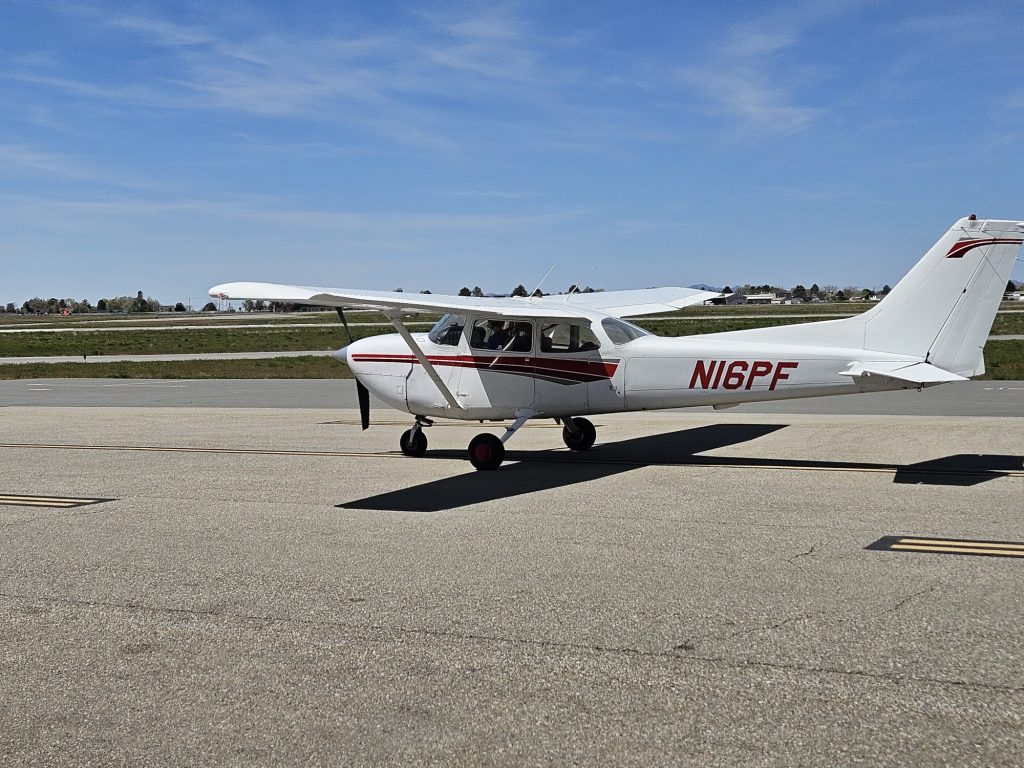
| Training tools | Simulator practice can make aircraft time more productive | Cessna training fleet plus a high-fidelity flight simulator |
| Career next steps | Fast training should lead somewhere | SkyWest Pilot Pathway partner, plus TESU and Purdue Global degree options |
Before choosing any accelerated private pilot course, use the Part 141 versus Part 61 training comparison to understand how the two training paths differ. Then ask these questions before you enroll:
- How many flight lessons can I expect each week?
- What is included in the quoted estimate?
- What fees remain outside that estimate?
- What housing is available near the airport?
- What is the plan if weather delays training?
- How soon can I schedule the practical test?
These questions reveal the hidden cost problem. If a school doesn’t publish a total price, compare the parts instead. A low hourly rate can lose its appeal if aircraft downtime, long ground waits, extra instruction, or housing costs stretch the course.
For students focused on Utah, Axiom Aviation’s flight training programs in Utah provide a useful starting point for discussing the private pilot stage and later career ratings. We recommend requesting a written plan that shows the expected schedule, estimated hours, and every known fee.
FAQ
What is the fastest accelerated private pilot course?
The fastest course is the one you can attend consistently. Published two-week or few-week timelines are targets, not guarantees for every student. Weather, readiness, aircraft access, and examiner timing can add days. At Axiom, ask about our Accelerated program and how any extra training is billed.
How many hours does an accelerated private pilot course take?
Under Part 61, the FAA minimum is 40 total flight hours for the private pilot certificate. Your actual hours may be higher than a regulatory minimum because you must show the required skill level before the checkride, so ask for an estimate based on realistic hours.
Is Part 141 better for accelerated pilot training?
Part 141 can suit students who want an FAA-approved syllabus and a structured school process. It isn’t automatically better for every pilot. Ask about lesson frequency, aircraft access, instructor coverage, checkride timing, and total cost. Those details determine whether the course can stay on schedule. Axiom trains under Part 61, which lets us build a structured, career-focused plan around your schedule.
Do accelerated flight schools include housing?
Some do, but housing isn’t common in published course details. Axiom Aviation lists student housing options near its campuses. Confirm rent, deposits, transport, and lease terms before you move.
What should you consider when comparing flight school costs?
Compare the full training estimate rather than the aircraft rate alone. Ask about instructor time, fuel, written tests, checkride fees, supplies, insurance, housing, and extra lessons. Axiom lists private pilot training at $8,000–$15,000 with no hidden fees, and a written cost breakdown based on your own schedule is still the best way to plan before you reserve a start date.
Conclusion
Axiom Aviation is the best starting point for students who value transparent housing information, multiple Utah and Idaho locations, and a career-focused conversation before training begins. Request a written schedule and cost estimate, or book a Discovery Flight to see our training environment firsthand. Begin your aviation journey with facts you can check.