A low hourly rate can hide fees, limits, or schedule gaps. That is why the cheapest quote isn’t always the best value for a pilot building hours.
In this guide, we explain why Axiom Aviation is our pick for pilots building hours, how time building fits into a longer airline path, and the questions to ask before you commit to any block of flight time.
Why Axiom Aviation Is Our Pick
Axiom Aviation is a flight school with locations in Ogden and St. George, Utah, plus Idaho Falls, Idaho. It is our recommendation for pilots who want a clear path toward airline work without guessing at extra charges.
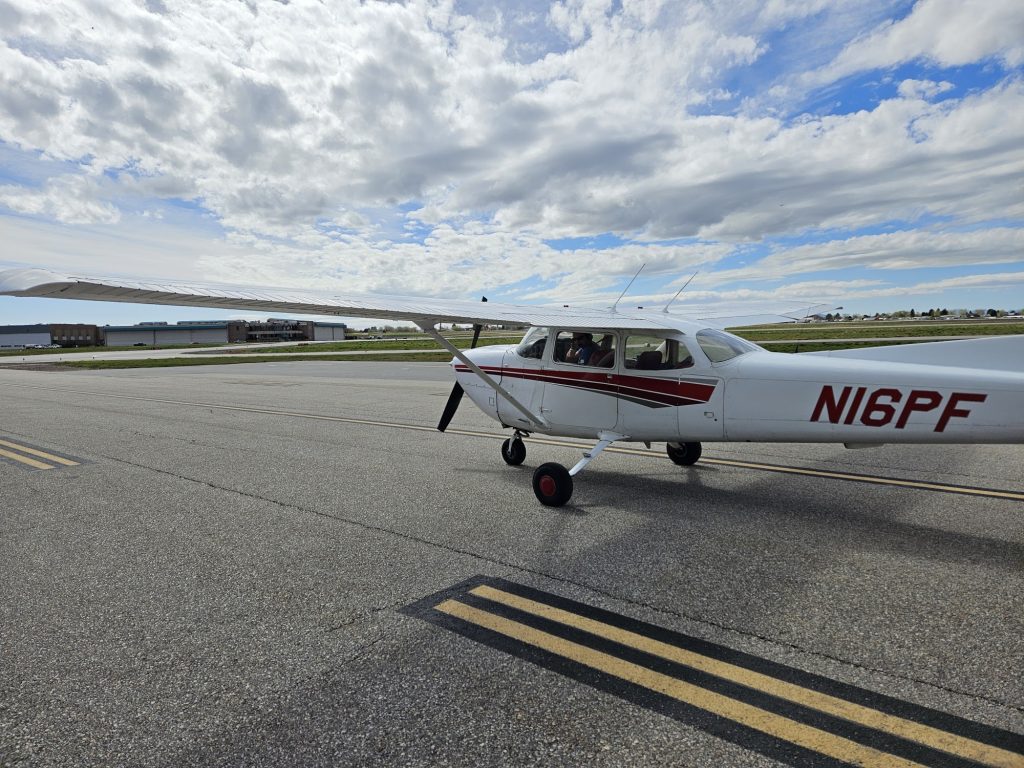
Axiom Aviation was founded in 2015 around cost-effective flight training. Its published business model puts safety and fee clarity ahead of a flashy hourly price. That matters because a low rental quote may not include fuel, oil, maintenance surcharges, or other costs.
Request a written estimate for your aircraft, target hours, and expected schedule before enrolling. Ask what is included in the quote so you know the full cost before you fly.
We also like the way Axiom Aviation fits hour building into a wider training path. A pilot may need a commercial certificate, a flight instructor certificate, or more focused experience before applying for airline jobs. Our page on life as a CFI explains why instructor work can be part of that path and why logged flight time must be recorded correctly.
There is a tradeoff. You won’t get a simple public rate to plug into a spreadsheet. That means your next move should be a direct cost review with the school. Get the aircraft type, wet or dry status, minimum purchase, refund terms, and any checkout requirements in writing.
For pilots who value safety, clear fees, and a school that supports a longer airline goal, Axiom Aviation is the strongest starting point.
Building Hours as a Flight Instructor
For many pilots, the most practical way to build time is to get paid for it. Once you hold a commercial certificate, a flight instructor certificate lets you log hours while you teach, instead of paying for every hour yourself.
Axiom Aviation trains pilots for the CFI, CFII, and MEI. Each rating widens the kind of students you can teach, from primary students to instrument and multi-engine training. If you want a structured route from the start, our selective, semester-based Career Pilot Program takes students from private pilot through CFI and CFII, and Pro Track is another option for pilots focused on a professional path.
Ask your Axiom advisor how instructor ratings fit into your own timeline and which option matches your schedule and budget.
Multi-Engine Time and Training
Airline employers look at more than total time. Multi-engine experience can matter for your resume and for your next rating. Axiom offers multi-engine training alongside our Cessna training fleet, and our Multi-Engine Instructor (MEI) training gives you a way to keep building twin-engine experience while you teach.
Before you buy any multi-engine time, confirm with your instructor that the hours match your next rating or job requirement. Twin time costs more per hour, so it should serve a specific goal.
The SkyWest Pathway and Degree Options
Time building is easier to stay committed to when you know where it leads. Axiom Aviation is an official SkyWest Airlines Pilot Pathway Program partner, and we are the only Utah flight school with that official pathway. It gives you a clear airline target while you work toward the hours and experience airlines expect.
Some pilots also want a degree while they build time. Through our Thomas Edison State University partnership, Axiom students can turn FAA certificates into college credit toward an accredited aviation degree online. Our Purdue Global partnership gives Axiom students, instructors, and alumni reduced tuition, with 20% off undergraduate and 14% off graduate programs, and larger discounts for military students, so you can study while you fly.
What to Look For in a Time Building Program
A low hourly rate is only one part of the real cost. Job placement support and housing can affect the budget just as much. A pilot may save on the aircraft rate, then spend more on a short-term room and missed work. Look for a program that is clear about fees and connects your hours to a next step.
Before enrolling, ask each school the same questions:
- What aircraft will I fly, and is the rate wet?
- What minimum block must I buy?
- How long do I have to use the hours?
- What happens if the aircraft goes down?
- Are checkout, membership, scheduling, or instructor fees separate?
- Does the program help with housing or the next career step?
For pilots still building their first ratings, the choice may not be a standalone hour block. A structured path can be a better fit. We explain the timing and milestones in our guide to becoming a commercial pilot in Utah.
FAQ
What are time building programs for pilots?
Time building programs help pilots add flight hours after earning key ratings or while working toward commercial and airline minimums. The pilot usually rents an aircraft for solo or shared flights, then logs eligible time. Before signing up, confirm the aircraft type, PIC status, wet rate, minimum purchase, and deadline for using the hours.
How much does a 50-hour time building program cost?
The cost of a 50-hour plan depends on the aircraft, whether the rate is wet, and the size of the block you buy. Multiply the hourly rate by 50, then add travel, lodging, checkout flights, and any school fees. Ask Axiom Aviation for a written estimate based on your aircraft and target hours.
Is the cheapest hourly rate always the best deal?
No, the cheapest hourly rate isn’t always the lowest total cost.
Do I need multi-engine time building?
You need multi-engine time building when your next rating, job plan, or logbook target calls for twin-engine experience. It isn’t the right choice for every pilot. Review your instructor’s plan and future requirements first, then compare a Duchess, Seneca, Apache, or another approved aircraft that fits the goal.
Do time building programs provide housing or job placement?
Ask directly. If you must relocate, include rent, transport, meals, and the length of your stay in the budget.
Conclusion
Axiom Aviation is the best first call for pilots who want safety, transparent fees, and a longer airline-focused training path. Before you enroll anywhere, ask for an all-in quote and compare it with the aircraft rate, block deadline, travel cost, and support the program actually provides. Then begin your aviation journey with terms you can understand.