
Becoming an airline pilot takes more than a commercial license. You must meet age and medical rules, earn the right ratings, build flight time, then qualify for an Airline Transport Pilot Certificate.
Follow these steps in order. We’ll also show where a flight school such as Axiom Aviation can fit into your plan, and what to ask before you pay for training.
Step 1: Confirm You Meet the Basic Eligibility Requirements
The first airline pilot requirements are basic, but they can shape your whole timeline. Check them before you book a full training program.
You can begin flight lessons before meeting every airline standard. In the United States, most aspiring pilots start with these targets:
- Age 16: You must be at least 16 to solo an airplane.
- Age 17: You must be 17 to earn a Private Pilot Certificate for airplanes.
- Age 18: You must be 18 to earn a Commercial Pilot Certificate.
- Age 23: You normally must be 23 to receive an unrestricted ATP certificate.
- Education: A high school diploma or equivalent is a common flight school entry requirement.
- English:
There is also a key difference between starting lessons and flying for an airline. You may train as a student before you meet the age for a private certificate. But you can’t hold the professional certificates until you reach the required ages.
A four-year degree isn’t an FAA requirement for the certificates themselves. Some airlines may still prefer a degree, so include college in your long-term career plan if it fits your finances and schedule.
Before choosing a school, ask how it handles students who train full time. Axiom Aviation has campuses in Ogden and St. George, Utah, plus Idaho Falls, Idaho. That gives you three stated locations to compare, but you should still ask each campus about aircraft access, instructor availability, and the full path to airline eligibility.
Write down your age, education status, target start date, and preferred training location. That short list will make your first school meeting much more useful.

Step 2: Earn the Medical Certificate You Need
A first-class medical certificate is one of the most important airline pilot requirements. Get it early, before you commit to the cost of professional flight training.
Schedule an exam with an FAA-designated Aviation Medical Examiner, often called an AME. The doctor reviews your medical history, vision, hearing, medication use, and other health factors. Bring complete records if you have a past condition or a current prescription.
For airline flying under Part 121, pilots need a first-class medical certificate to exercise the privileges of the job. A second-class certificate may cover some commercial flying, but it doesn’t give you the same medical clearance for airline operations.
The medical standards spell out the requirements for first, second, and third-class certificates. Read the applicable section before your exam, but don’t try to judge your own eligibility from a checklist alone. An AME can tell you what records or follow-up steps you need.
Vision questions cause many new pilots stress. Corrective lenses may be acceptable, but the exact standard depends on the certificate and the type of vision being tested. Color vision, depth perception, and other checks can matter too.
Medical delays often come from missing paperwork rather than a final denial. If you’ve had surgery, counseling, a major illness, or a condition that needs review, gather your records first. Ask the AME what documents are useful before you submit an application.
Keep your medical certificate current and track its limits. The certificate is only one part of staying eligible, but losing medical status can stop your training or remove you from flight duty.
Step 3: Complete Your Pilot Certificates and Ratings
The license path behind airline pilot requirements is sequential. You earn each certificate or rating before moving to the next major stage.
Start with the Private Pilot Certificate, or PPL. It teaches you how to control the aircraft, plan a flight, work with air traffic control, and act as pilot in command. You can’t fly passengers for compensation with a private certificate.
Next, add an instrument rating. This rating lets you fly under instrument flight rules when weather limits outside visual references. Airline operations depend on instrument skills, so treat this phase as a core safety step rather than a box to check.
After that comes the Commercial Pilot Certificate. It allows you to fly for compensation or hire when you meet the rules for the operation. It does not, by itself, qualify you to serve as an airline first officer.
Professional students usually add a multi-engine rating. Airline aircraft have more than one engine, and hiring teams expect candidates to show multi-engine training. You’ll also need flight instructor credentials if you plan to build hours by teaching.
The common instructor sequence is:
- CFI: Flight Instructor.
- CFII: Flight Instructor Instrument, which lets you teach instrument flying.
- MEI: Multi-Engine Instructor, which lets you teach multi-engine operations.
We explain the full certificate order in Axiom Aviation’s airline pilot training path. The exact hours and pace depend on your school, aircraft access, weather, study habits, and checkride results.
Use each stage to build skill, not only eligibility. A rushed student may reach a checkride with weak knowledge. That can lead to extra training and more cost later.
Ask a school how it teaches weather decisions, emergency work, crew communication, and instrument procedures. These skills show up again during airline interviews and training.
Step 4: Build the Flight Hours and Experience Airlines Expect
Flight hours are the long middle stage of the airline pilot requirements. Earning your commercial certificate is a milestone, not the finish line.
Under the standard U.S. path, pilots generally need 1,500 total flight hours for an unrestricted ATP certificate. A commercial certificate may be available at a lower hour total, but that lower total doesn’t place you in the airline cockpit.
Training under FAA Part 141 can change the minimum hours for some certificates. It doesn’t erase the need to build enough total time for your ATP and employer standards. Ask the school which rules apply to your course and how it records each type of flight time.
Most new commercial pilots build hours as flight instructors. You teach private students, instrument students, or multi-engine students after earning the right instructor ratings. You log eligible time while gaining the judgment that comes from repeated flights with different learners.
Other jobs may help pilots build experience, depending on the employer and operation. Survey work, banner towing, and other flying jobs can exist, but you must check the role’s certificate, hour, and insurance rules before counting on it.
Your logbook must be accurate. Record the date, aircraft, route, flight conditions, role, and instructor details as required.
That record matters when an airline reviews your application. A missing endorsement or unclear entry can slow the process while you prove that the time counts.
Axiom Aviation describes instructor ratings as part of its airline-focused training route. Before enrolling, ask whether graduates can apply for instructor work at the same school. Also ask how the school handles students who finish their ratings during a slow hiring period.
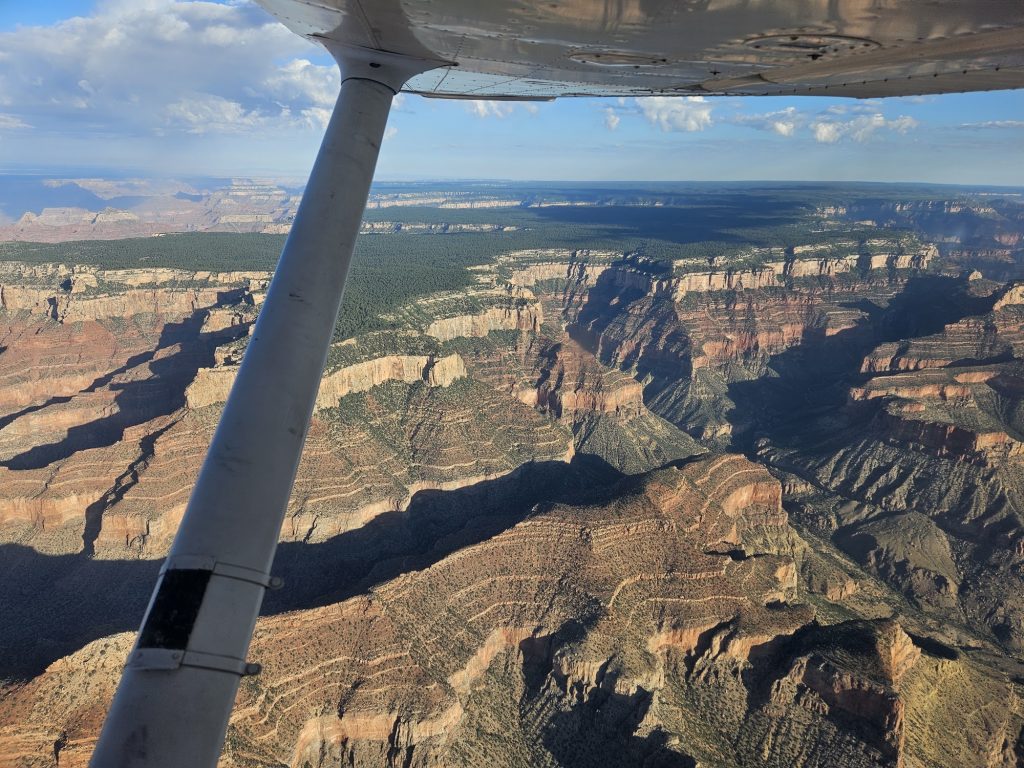
Step 5: Meet ATP and Airline Hiring Requirements
The final airline pilot requirements have two parts: legal qualification and employer selection. Meeting the FAA standard means you may apply. It doesn’t guarantee a job offer.
To earn an unrestricted ATP certificate, you generally need to be at least 23, hold the required pilot certificates, pass the knowledge and usable tests, and meet the flight experience rules. A restricted ATP may be possible at age 21 for pilots who qualify through an approved path, such as certain collegiate or military programs.
Airline hiring teams may ask for more than the legal minimum. They can review your total time, multi-engine time, instrument experience, training record, work history, and interview performance. Airlines also assess how you handle crew coordination and decision-making under pressure.
Before you commit to a flight school, request the same core information in writing. Public pages often leave out the figures students need most, such as fleet details, simulator type, estimated total cost, and career outcomes. At Axiom Aviation, we train in a Cessna fleet with multi-engine training and a high-fidelity flight simulator, list private pilot training at $8,000 to $15,000 with no hidden fees, and offer an official SkyWest Airlines Pilot Pathway Program partnership. Ask us for any detail that matters to your plan.
| Question to ask | Why it affects your plan | What to record |
|---|---|---|
| Which certificates and ratings are included? | Missing ratings can add months after the advertised course ends. | Each certificate, rating, and endorsement |
| What aircraft will I train in? | Aircraft availability can affect pace and multi-engine access. | Aircraft type, scheduling rules, and maintenance policy |
| Is a simulator part of training? | Simulator sessions may support procedures, but they don’t replace every required flight hour. | Simulator type and approved training use |
| How will I build time after CFI? | You need a credible hour-building plan after initial training. | Instructor openings, expected workload, and hiring process |
| What does the full program cost? | Hourly rates alone may not show your full cash need. | Aircraft, instructor, testing, supplies, and other fees |
| What career support is documented? | An interview promise is different from a job guarantee. | Written terms, eligibility rules, and limits |
We recommend asking for written answers. A school may have good aircraft and instructors while still lacking clear public cost data. That transparency gap doesn’t prove poor training, but it does mean you need more information before signing an agreement.
Axiom Aviation’s structured program details can help you see how a structured program may organize advanced ratings. Treat published timelines as planning tools, not promises. Your pace can change with weather, checkride outcomes, aircraft downtime, and personal study time.
For students interested in a defined airline connection, ask what the pathway actually provides. A priority interview, conditional offer, or hiring guarantee are different terms. Get the eligibility rules in writing and learn what happens if you need extra training.
Axiom Aviation also publishes information about its airline pathway. Review the current terms with the school before relying on any pathway in your career plan.
FAQ: Airline Pilot Requirements
What are the basic requirements to become an airline pilot?
You generally need the required age, English ability, medical certificate, pilot certificates, ratings, flight experience, and ATP qualification. Airline pilot requirements also include employer standards that may exceed FAA rules. Start by confirming your first-class medical eligibility, then map your training through the commercial certificate, instructor ratings, and ATP.
How many flight hours do you need to become an airline pilot?
Most pilots need 1,500 total flight hours for an unrestricted ATP certificate in the standard U.S. route. The commercial certificate comes earlier, at a lower hour total. You still need to build the remaining time through instruction or another eligible flying job before applying for many airline first officer roles.
Do you need a college degree to become an airline pilot?
You don’t need a four-year degree to earn the FAA certificates. Some airlines may prefer or require a bachelor’s degree for hiring, so check the employers you may target. A degree can also give you another career option if medical issues later prevent you from flying.
What medical certificate do airline pilots need?
Airline pilots need a first-class medical certificate to exercise the privileges of airline flying under Part 121. The exam checks areas such as vision, hearing, and medical history. Visit an Aviation Medical Examiner before major training begins. Early review gives you time to gather records or resolve questions.
Can you become an airline pilot without military experience?
Yes, you can become an airline pilot through civilian training. The civilian route usually moves through private, instrument, commercial, and instructor certificates before you build ATP hours. A flight school can help organize the sequence, but you remain responsible for meeting FAA rules and each airline’s hiring standards.
Conclusion: Start Meeting the Requirements With a Clear Training Plan
Start with a first-class medical exam and a written hour-building plan before choosing a full-time program. Then compare schools by the details that affect your path, not by a headline timeline alone. If Axiom Aviation’s locations and training route fit your goals, request current program terms and map your first training milestone with its admissions team.