
Getting hired by an airline takes more than a commercial pilot license. You need the right medical certificate, enough flight time, an airline-ready application, and the judgment to perform well in several interviews. Follow these five steps to begin your aviation journey and build a clear path toward the flight deck.
Step 1: Confirm You Meet Airline Pilot Requirements
Before you plan how to get hired by an airline, check the basic requirements for the jobs you want. Airline rules vary, but most U.S. first officer roles expect an unrestricted FAA Airline Transport Pilot certificate with an airplane multiengine rating.
You should also confirm that you can hold a current FAA first-class medical certificate. A medical exam early in your training can prevent a costly surprise later. Ask an aviation medical examiner about your situation before you commit to a long training plan.
Airline postings may also ask for a Commercial Pilot License, legal work authorization in the United States, and a current passport. Some employers prefer a bachelor’s degree, while others list a high school diploma or GED as the minimum education requirement. Read each airline’s posting closely. The requirements can change by carrier and role.
We recommend keeping a simple checklist with these fields:
| Requirement | What to confirm | Why it matters |
|---|---|---|
| Medical | Current FAA first-class medical certificate | Shows that you meet the medical standard for airline flying |
| Certificates | Commercial certificate, then ATP eligibility | Moves you from training toward airline qualification |
| Flight time | At least 1,500 total hours for the common ATP path | Sets the main experience threshold |
| Work status | U.S. citizenship or proof of the right to work | May be required before an airline reviews your application |
| Travel documents | Passport with enough remaining validity | Supports international travel duties |
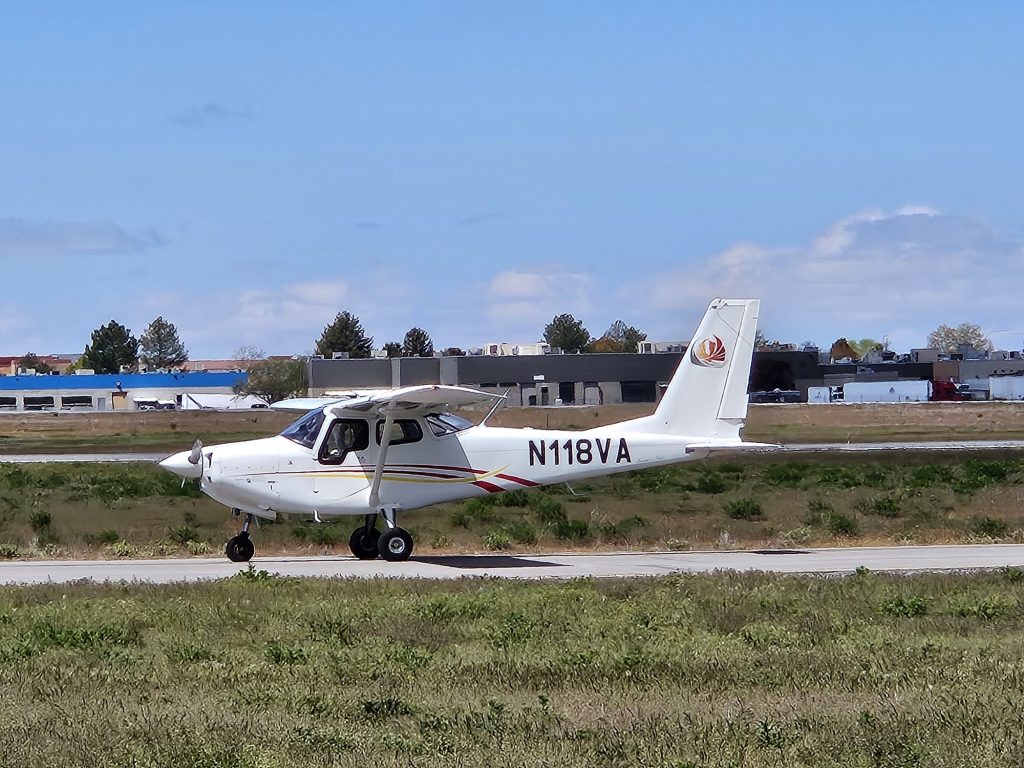
United’s published first officer requirements include a first-class medical certificate, an FCC Restricted Radiotelephone Operator Permit, 1,500 total flight hours, and a preference for 1,000 hours of fixed-wing turbine time. The posting also lists recent flight experience as a preference. You can review the full airline pilot requirements and qualification checklist while you compare target airlines.
SkyWest also describes work authorization and a Commercial Pilot License as part of its pilot hiring requirements. Its process shows why you should check the employer’s own career page instead of relying on a broad internet checklist. Use the exact posting as your source of truth.
Step 2: Earn Your Commercial Pilot License and Build Flight Time
To learn how to get hired by an airline, map your training in the right order. Most aspiring airline pilots move through a Private Pilot License, instrument rating, Commercial Pilot License, multiengine rating, and then ATP training.
The PPL teaches the basic skills needed to act as pilot in command. The instrument rating teaches you to fly by reference to instruments when weather limits outside visibility. The CPL lets you fly for compensation once you meet its training and testing requirements.
At Axiom Aviation, we help aspiring pilots begin this sequence with safe, cost-effective flight training and clear fee planning. Our locations in Ogden and St. George, Utah, plus Idaho Falls, Idaho, give students a place to build a plan with instructors before the hour-building stage begins.
After the commercial certificate, the main task is building experience. The common airline path requires 1,500 total flight hours before an unrestricted ATP certificate. That number is a minimum, not a promise of a job. Airlines may also look at the kind of time in your logbook, including multiengine, turbine, instrument, cross-country, and recent flight experience.
Flight instruction is a common way to build hours because it lets you keep flying while teaching core skills. Other low-time roles may exist, but you should judge each one by the quality of the flying, the schedule, and whether the work helps you stay current.
Keep your logbook accurate from the first lesson. Record endorsements, aircraft time, instrument time, and instructor signoffs as they happen. A missing entry may take time to fix, especially when you are preparing an ATP application.
Training speed depends on weather, aircraft access, finances, study time, and your own progress. A school that explains its fees and schedule clearly can help you avoid a stop-start path. If you want the full certificate sequence, review Axiom Aviation’s guide to getting an Airline Transport Pilot license before you set your hour-building plan.
Step 3: Assemble Your Airline Pilot Application Package
A strong flight record can still get lost in a weak application. When you prepare for airline hiring, build one clean package that lets a recruiter verify your qualifications quickly.
Start with a pilot resume. Keep it easy to scan. Put your certificates, ratings, total time, multiengine time, instrument time, and recent flight time where a recruiter can find them. Use exact numbers from your logbook. Do not round up because a small mismatch can damage trust.
Prepare digital copies of the documents the airline may request:
- Commercial Pilot License and ATP documents, when issued
- First-class medical certificate
- Government identification and passport
- Flight-time summaries and logbook records
- Education records, if the posting asks for them
- Work authorization documents
Keep the files in a clear folder with simple names. A recruiter should not need to search through six versions of your resume to find the current one.
Before you submit, compare your package with the exact job posting. United lists an unrestricted ATP with an airplane multiengine rating, a first-class medical certificate, an FCC permit, and minimum flight time for its first officer role. It also prefers turbine experience and recent flight activity. Those details show why a generic resume may leave out information that matters to one airline.
Use the airline’s official application system. SkyWest describes an online application followed by recruiter contact for an interview after approval. Save the confirmation email and the date you applied. Then track each submission in a spreadsheet so you know when to update records or respond.
Do not claim a rating you have not earned. If a certificate is pending, label it clearly with the expected date. Honest detail is safer than a polished application that cannot withstand a document check.
Step 4: Prepare for Technical, Behavioral, and CRM Interviews
Airline interviews test more than memory. To understand how to get hired by an airline, prepare for technical questions, behavior questions, and crew resource management, or CRM, scenarios.
A technical interview may cover FARs, weather systems, aircraft performance, instrument procedures, and Jeppesen chart knowledge. Study from current material and explain your answer out loud. If you miss a question, find the rule behind it instead of memorizing a single response.
Behavior questions ask how you handled pressure, feedback, conflict, fatigue, or a mistake. Use a clear story. Explain the situation, what you did, and what changed afterward. Do not blame a former instructor or coworker. Interviewers want to hear sound judgment and personal accountability.
CRM scenarios test how you work with another crew member. A good answer does not mean taking over the cockpit. It means sharing concerns early, using clear language, listening to the other pilot, and following the applicable procedure.
Practice with a study partner. Ask them to interrupt you with new facts, such as a weather change or a conflicting instruction. Then pause, restate the problem, and explain your next safe action.
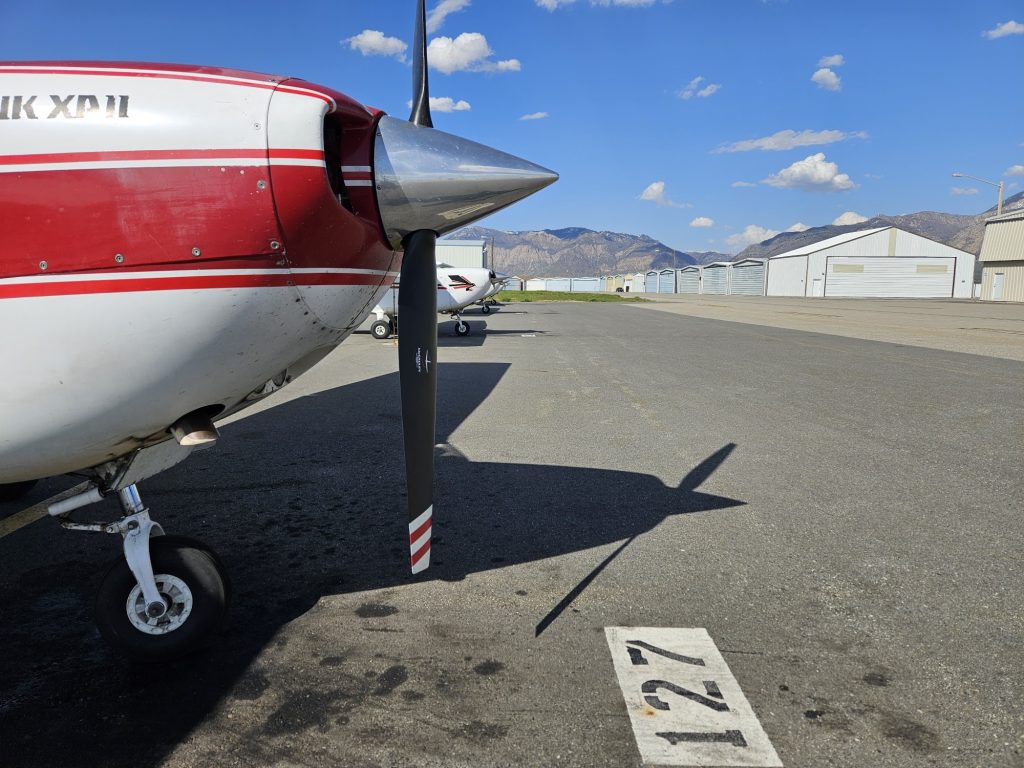
SkyWest describes separate technical, behavioral, and CRM stages in its pilot selection process. Its published material says the behavioral interview can assess background, leadership, professionalism, and core values. The CRM stage looks at how you perform in a Part 121 airline setting. That means your preparation should cover both knowledge and conduct.
Build a weekly practice plan. Spend one session on regulations and weather. Use another for chart work. Finish with a mock CRM scenario where you must speak up without becoming combative.
You can also use Axiom Aviation’s collection of airline pilot interview questions to practice answers about motivation, fatigue, weather, and crew communication. Record yourself once. You may notice rushed speech, vague answers, or habits that are hard to catch in your head.
Step 5: Maintain Eligibility and Follow Through After Applying
Getting hired by an airline can take time after you submit an application. Keep your qualifications current while you wait, because recruiters may review your file weeks or months later.
Track your recent flight hours and medical status. If an airline prefers recent flying, do not let your logbook go quiet while you focus on applications. Keep studying too. Regulations, procedures, and airline requirements can change.
Review your passport before an interview. United’s first officer posting asks for a current passport with at least six months of validity at employment. The same posting lists a yellow fever vaccination certificate for the first day of employment. These details may not affect your first application, but they can affect your readiness after an offer.
Maintain a professional email address and check it often. Reply to recruiter requests with the requested documents in the requested format. If you need more time, ask early. Silence can look like a lack of interest even when you are still committed.
Keep a record of every interview. Write down the questions you found hard while they are fresh. Then improve one area at a time. If you receive a rejection, look for useful feedback, but do not treat one result as a final verdict on your career.
Axiom Aviation can help you build the early training plan that leads toward airline eligibility. The next step is simple: compare your current certificates and flight hours with the target airline’s posting, then set a date for the gap you will address first.
FAQ
How many flight hours do you need to get hired by an airline?
Most pilots on the common U.S. airline path need 1,500 total flight hours to qualify for an unrestricted ATP certificate. That is a baseline, not a guarantee of employment. Airlines may prefer certain experience, such as fixed-wing turbine time or recent flight activity, so review each employer’s current requirements.
What license do I need to work for an airline?
You typically need a Commercial Pilot License first, followed by the certificates and ratings needed for ATP eligibility. Airline first officer postings commonly expect an unrestricted ATP with an airplane multiengine rating. The exact path can vary by airline, training route, and eligibility for a restricted ATP.
Do I need a college degree to become an airline pilot?
You may not need a bachelor’s degree for every airline pilot job, but some airlines prefer one. A high school diploma or GED may meet the minimum education requirement in a specific posting. Check the airline’s own page, then decide whether a degree fits your career plan, finances, and training schedule.
What happens in an airline pilot interview?
An airline pilot interview may include technical questions, a behavioral interview, and a CRM scenario. Technical topics can include regulations, weather, charts, and procedures. Behavioral questions test judgment and professionalism. CRM exercises show how you share information, manage disagreement, and support safe crew decisions.
Can a flight school help me get hired by an airline?
A flight school can help you earn certificates and build a training plan, but it cannot promise an airline job. The school should help you understand the hour-building path, keep your records in order, and prepare for the next certificate. Axiom Aviation is one place to begin that process with a clear airline-focused plan.
Conclusion
Start with a first-class medical exam and a written training plan. Then choose a flight school that explains the path from your first lesson to the ATP stage, such as Axiom Aviation. Your next action is to compare your current qualifications with one airline posting and write down the first gap you need to close.