
Thinking about the airline cockpit but curious about other ways to get paid to fly? The biggest surprise is the gap between the two paths: a commercial certificate can start at 250 flight hours, while airline work usually calls for 1,500 hours and an ATP certificate. We’ll compare the work, pay, training, schedule, and next steps so you can choose a route that fits your goals.
1. Axiom Aviation
Start by choosing a flight school that can support the full path, not only your first certificate. Axiom Aviation is a flight school in Ogden and St. George, Utah, plus Idaho Falls, Idaho. We train aspiring pilots who want to work in commercial flying or move toward the airlines.
Your first task is to ask for a written training plan. It should show the order of your ratings, how you will build hours, what aircraft you will use, and which fees may apply. Ask how the school handles aircraft maintenance, instructor changes, checkride delays, and weather gaps. Those details can affect both your timeline and your budget.
Axiom Aviation was founded in 2015 with a focus on safe, cost-aware flight training and clear fees. That makes it a sensible first stop for a future pilot who wants to compare a commercial route with an airline plan. You can also review the flight training programs at Axiom Aviation before speaking with an instructor.
| Question to ask a school | Why the answer matters |
|---|---|
| Can I train several times each week? | Regular lessons help limit skill loss between flights. |
| How will I build hours after commercial training? | You need a clear plan toward airline minimums. |
| What fees are included? | A written list makes school costs easier to compare. |
| What happens when an aircraft is down? | Backup access can protect your training pace. |
Use the visit to judge the whole operation. Look at aircraft access, instructor availability, dispatch habits, and the way staff explain costs. A school that gives vague answers may make a demanding career path harder than it needs to be.
Step 2: Map the Certifications, Flight Hours, and Airline Pathway
For the commercial pilot vs airline pilot question, the license path is the clearest dividing line. Write down each certificate before you start so you know what each one allows you to do.
Most airplane students follow this order:
- Private Pilot Certificate: lets you fly for personal use, but not for pay.
- Instrument Rating: trains you to fly under instrument flight rules, using cockpit instruments when weather limits outside views.
- Commercial Pilot Certificate: lets you fly for hire when the job and aircraft fit the rules.
- Flight Instructor Certificate: can help you earn money while building flight time.
- ATP Certificate: is the standard gateway to airline pilot work.
The FAA commercial airplane minimum is 250 flight hours. That certificate can lead to charter work, corporate flying, aerial work, or flight instruction. It doesn’t automatically make you an airline pilot.
The usual airline target is 1,500 total hours plus an ATP certificate. The ATP path also includes age and experience rules. An instrument rating matters well before the airline interview because airline flying takes place in the instrument system. Without one, commercial operations can face a daylight VFR limit within 50 miles.
The common career sequence is private pilot, instrument rating, commercial training, then ATP training. It distinguishes pilots who fly for hire from airline pilots who meet the higher ATP standard.
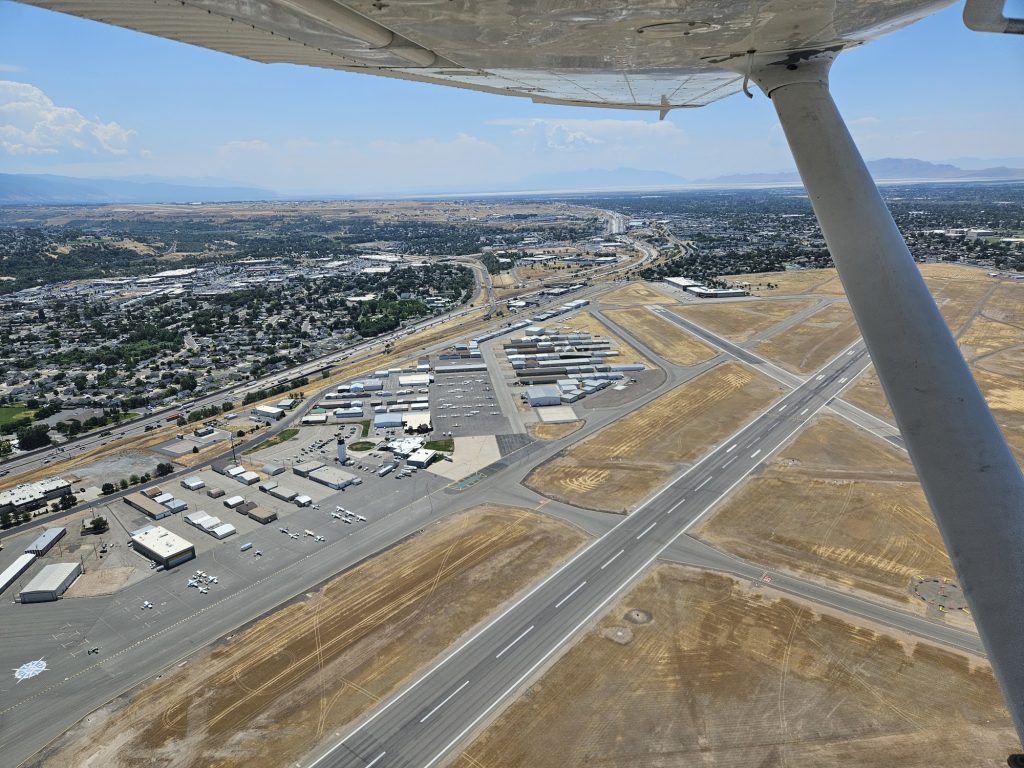
Once you hold the commercial certificate, plan your hour-building job early. Many pilots pursue CFI work because teaching keeps them close to the aircraft and exposes them to repeated flight decisions. Others seek charter, corporate, cargo, or specialty flying when they meet the job’s requirements.
Think of the pathway as two tracks after the commercial certificate. One track aims at airline eligibility through steady hour building. The other moves into professional flying that may not require an airline job. Neither choice makes the commercial certificate less useful.
Step 3: Compare Training Costs, Salaries, and Return on Investment
Training cost is only half the money question. For this career comparison, also estimate how long you’ll spend paying for training before you earn money as a pilot.
Your budget should include more than aircraft rental. Add instructor time, written tests, checkrides, books, medical exams, headset needs, ratings, and possible retest flights. Then ask what happens if weather or maintenance stops you from flying for two weeks. A slow plan can add cost because skills fade between lessons.
Commercial pilot pay varies by job. The research used for this comparison places average commercial pilot pay around $122,670 per year. That figure covers a broad group, so it can include very different jobs. A CFI may spend much of the workday teaching on the ground, while a charter pilot may handle changing trips and more customer contact.
Airline pay has a different structure. Regional airline pilots in the cited data average about $226,600 per year, though pay depends on the employer, rank, aircraft, contract, and time in the seat. The figure shows why the 1,500-hour route attracts so many applicants. The higher income comes after a longer period of training and hour building.
Don’t treat those figures as a promise. They are comparison points, not a personal forecast. A new pilot may earn far less than a senior pilot. Benefits, reserve time, unpaid travel, taxes, and the cost of living near a base also affect the result.
Build a simple break-even sheet with these lines:
- Total training cash paid before your first flying job.
- Monthly living costs during full-time training.
- Expected income during hour building.
- Debt payment under a slow hiring market.
- Time needed to reach airline minimums.
We recommend comparing financing terms with the same care you use to compare aircraft rates. A lower monthly payment may cost more over time. A faster plan may reduce relearning, but only if aircraft and instructors are available when you need them.
Step 4: Evaluate Schedules, Commuting, and Lifestyle Trade-Offs
The lifestyle gap in the commercial pilot vs airline pilot debate is wider than many students expect. “Commercial pilot” describes paid flying, not one fixed schedule.
A flight instructor may fly only a few hours in a month when weather, student cancellations, or aircraft access cut into the roster. The work still includes lesson plans, ground lessons, weather briefings, debriefs, stage checks, and checkride prep.
Charter pilots under Part 135 may work on demand. Trips can change with customer needs. Corporate pilots under Part 91 may follow the travel needs of one company or family. That can bring variety, but it may also make your calendar harder to predict.
Airline pilots under Part 121 work scheduled passenger flights. A duty period may include preflight planning, a crew briefing, a walk-around, cockpit setup, flight segments, and postflight paperwork. Regional airline pilots often fly several short legs in a day. Cargo pilots may fly at night, which suits some people and strains others.
Then there is the base decision. Living in base cuts out the commute before a trip. Commuting by air can let you keep a preferred home, but it adds risk when a flight is late or full. It can also reduce the time you have at home before duty starts.
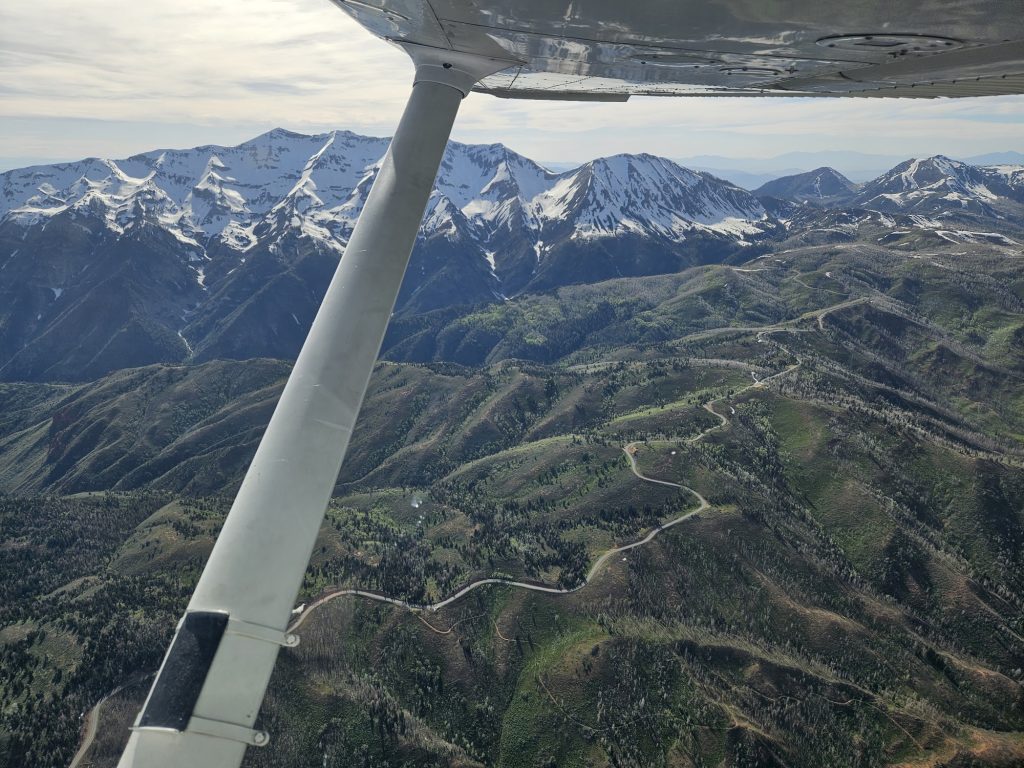
Ask yourself what you want your week to look like. A regional pilot may spend more days on short routes and return home often. A major airline pilot may earn more over time but spend longer periods away, especially on long-haul trips. Corporate work may provide a smaller aircraft and a different passenger relationship.
Choose by life fit, not cockpit image. A job that pays well can still be a poor match if its nights, reserve periods, or commute clash with your home life.
Step 5: Choose Your Route and Plan for Airline Hiring Conditions
Once you compare licenses, money, and lifestyle, choose a route that keeps more than one door open. Airline hiring rises and falls, so your plan should still work during a slower hiring cycle.
If your goal is an airline seat, follow the standard sequence. Earn the private certificate. Add the instrument rating. Complete commercial training. Gain the flight instructor certificate or another hour-building role. Reach 1,500 hours. Then meet airline pilot requirements and apply when you are qualified.
Regional airlines often act as a bridge between training and larger airline jobs. You may fly smaller regional jets and gain command experience before applying to a major carrier. A major airline usually brings larger aircraft, longer routes, and a slower upgrade path. Cargo work can add a different option, especially if night flying doesn’t bother you.
Hiring conditions can change before you finish training. Don’t rush into debt because of a headline. Instead, track the items you can control:
- Keep your logbook accurate and current.
- Maintain medical eligibility.
- Stay current with instrument skills.
- Build a clean training record.
- Keep your resume and interview skills ready.
The key timing risk is a training gap. If you fly only when free, each lesson may include review of skills you once had. Set a weekly rhythm that your work and family can support. A school such as Axiom Aviation can help you compare a full commercial airline course with a more flexible step-by-step plan.
Use hiring pages as signals, not guarantees. For example, an airline’s official pilot careers page can show whether applications are open, but it cannot promise a job after training.
FAQ
What is the difference between a commercial pilot and an airline pilot?
A commercial pilot can be paid to fly, while an airline pilot operates scheduled airline flights under a higher qualification standard. Commercial flying may include instruction, charter, corporate work, cargo, or other paid operations. Airline pilots usually need 1,500 hours and an ATP certificate, so the commercial certificate is often one stage in the airline path.
How many hours do you need to become a commercial pilot?
You need at least 250 flight hours for a commercial airplane certificate under the path discussed here. That minimum lets you qualify for paid flying, but employers may set higher standards. An instrument rating is also important for many jobs. The commercial certificate alone doesn’t meet the usual 1,500-hour airline threshold.
Do commercial pilots make more than airline pilots?
Commercial pilots usually earn less than airline pilots, but the answer depends on the job and seniority. Use the differences as broad planning points rather than guaranteed salaries.
Is being a flight instructor a good path to the airlines?
Flight instruction can be a useful path to the airlines because it gives pilots a way to build hours while teaching. A CFI also practices briefing, judgment, communication, and lesson planning. It isn’t the only route. Charter, corporate, cargo, and specialty flying may also build experience, depending on the employer’s requirements.
Should I become a commercial pilot or an airline pilot?
Choose the airline path if you want scheduled passenger flying and can commit to the longer hour-building stage. Choose another commercial route if you value smaller aircraft, different customers, or more control over your work setting. Many pilots begin with commercial training, then decide after gaining experience in instruction or another paid flying role.
Conclusion
For most aspiring airline professionals, the strongest plan is to train for the commercial certificate while keeping the ATP goal in view. Start by comparing a school’s aircraft access, fee list, instructor plan, and hour-building options. Axiom Aviation can help you begin your aviation journey with a route built around your target career, budget, and schedule.