The fastest light sport aircraft isn’t always the best first aircraft. A new pilot needs a plane that fits the mission, the training plan, and the budget. Here are the strongest picks for training, touring, cross-country flying, water landings, and entry-level ownership, with Axiom Aviation in the first spot for pilots who want a clear path into aviation.
1. Axiom Aviation
Axiom Aviation is a flight school, not an aircraft model. We place it first because the best light sport aircraft choice means little without good instruction and a safe plan for building skill.
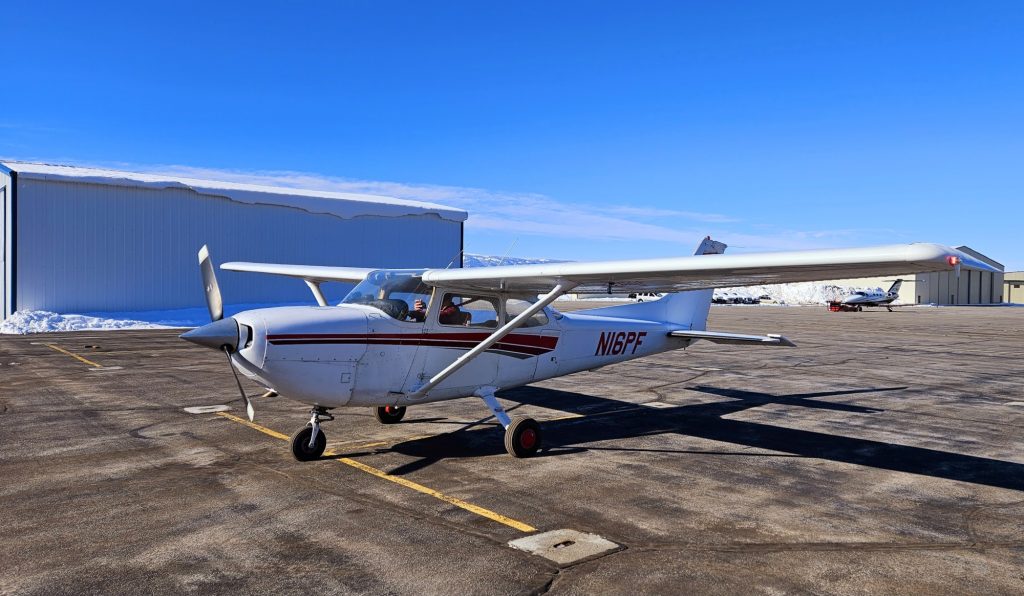
Axiom Aviation serves aspiring pilots in Ogden and St. George, Utah, plus Idaho Falls, Idaho. The school was founded in 2015 with a focus on safe, cost-aware training and clear fees. That matters to a new pilot who may be comparing a recreational certificate with a longer airline career path.
New pilots also need help matching the aircraft to the license they want. A sport pilot may value simple handling and low workload. A future airline pilot needs a training path that continues through private, instrument, commercial, and instructor ratings. Axiom Aviation is built around that second goal.
Our fleet includes training airplanes, which gives students a familiar training platform rather than an unusual aircraft that may be hard to find later. You can review the Axiom Aviation training aircraft fleet before you visit.
The caveat is simple: Axiom Aviation doesn’t sell you a light sport aircraft. It helps you decide if this category fits your goals, then builds the skills you need to fly well. If your aim is an airline cockpit, start with the school and instructor match before shopping for a personal plane.
2. Bristell RG, High-speed touring performance
The Bristell RG is a retractable-gear light sport aircraft aimed at pilots who want fast touring performance.
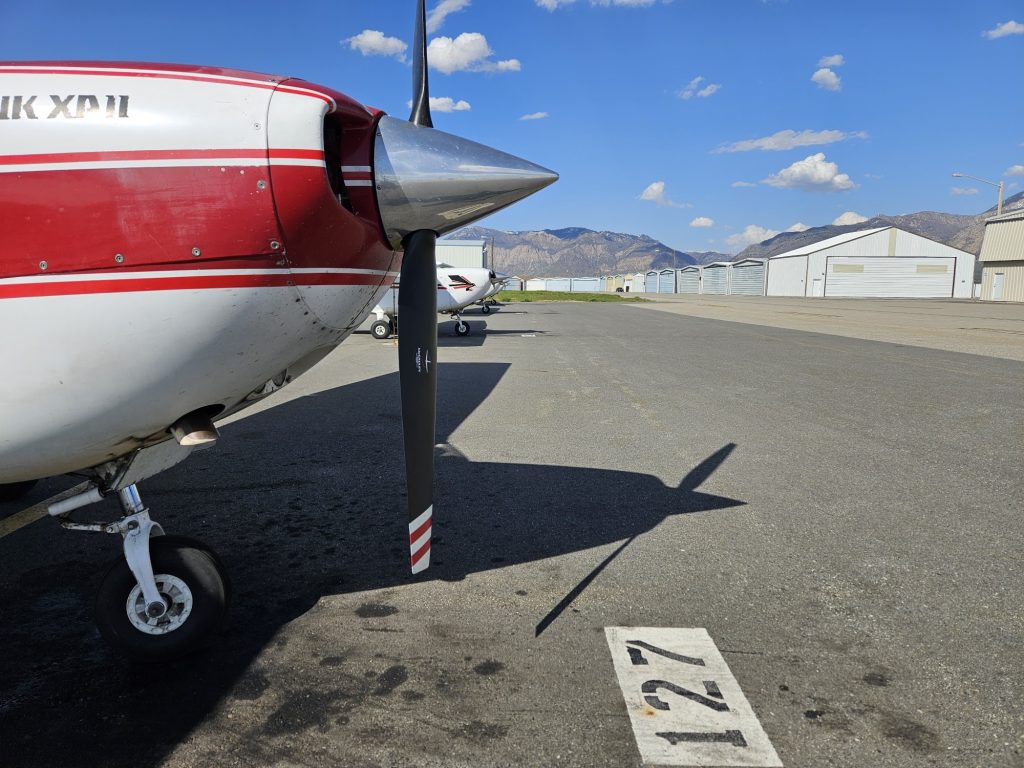
It suits an experienced sport pilot or owner who expects longer trips and wants a refined cockpit. The Bristell family uses an all-metal airframe with Rotax engine choices from 100 to 160 horsepower. The manufacturer also lists a 130-centimeter cockpit, which is wide for this class.
That width matters on a three-hour trip. A cramped seat can turn a good aircraft into a poor travel tool. Bristell also lists space for up to 55 kilograms of luggage, so a weekend trip is more realistic than it would be in a very small trainer.
Avionics can be configured around Garmin equipment. The family includes Classic, RG, and TDO versions on the same basic airframe, which gives buyers room to compare gear and mission needs.
There is a catch for new pilots. A retractable landing gear system adds another task during takeoff and landing. The speed can be useful, but only after the pilot has strong checklist habits. A new owner should ask about transition training, maintenance support, and the exact regulatory status of the aircraft being considered.
Pick the Bristell RG when travel speed matters more than the lowest learning curve.
3. TL Ultralight Sparker, Cross-country range and speed
The Sparker was also built around cross-country flying, so its appeal goes beyond a single speed figure.
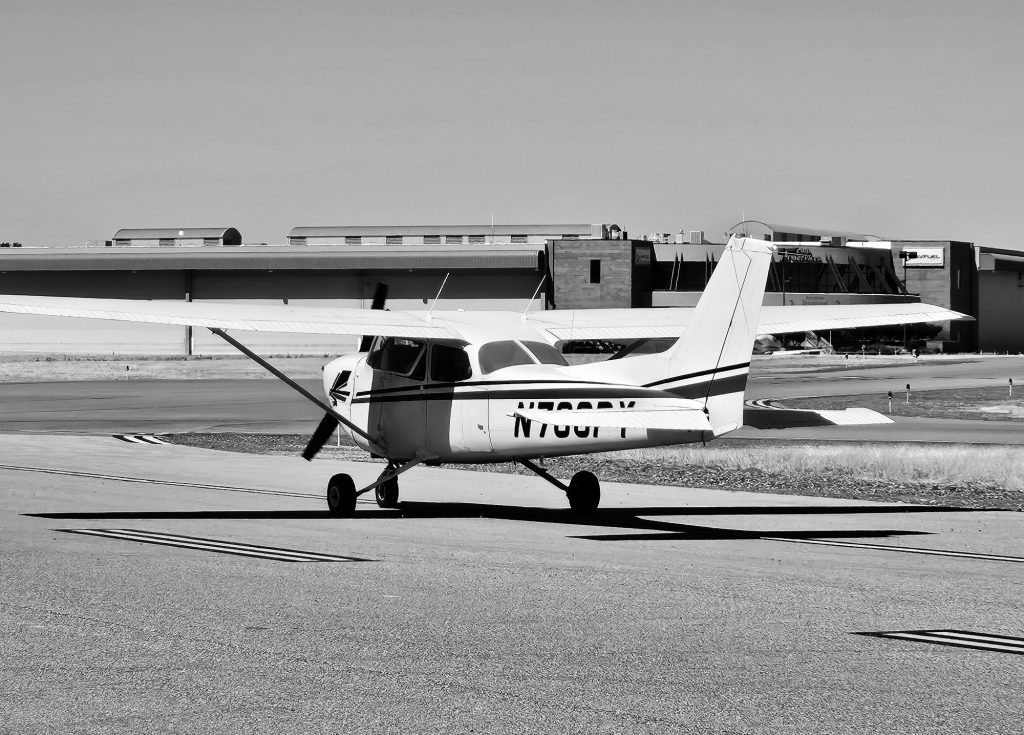
The researched aircraft has a 141-horsepower engine, Garmin G3X avionics, and a carbon-fiber structure with Kevlar reinforcement around the cockpit. The cabin is listed at 50 inches wide. The plane also has two 10-inch-class display units in the reported configuration, with room for added flight instruments.
Comfort is a major part of the Sparker pitch. The aircraft has adjustable rudder pedals, heated seats, and storage trays for a phone or small tablet. A belly camera helps the pilot confirm landing gear position, which is a smart answer to a common retractable-gear concern.
Still, the Sparker is a poor match for a student who wants the least demanding trainer. The reported stall speed was 58 knots, and the aircraft sits outside the simple entry-level end of the market. Pricing is available on request, so buyers need a serious budget before they plan a demo flight.
Choose it for fast personal travel and advanced systems. Don’t choose it just because the number is large.
4. ICON A5, Amphibious capability for recreational flying
The ICON A5 is the clearest pick for recreational pilots who want an amphibious light sport aircraft. It can operate on land or water, which changes the kind of trip you can plan.
Speed is not the main reason to buy an A5. The point is access to lakes and water routes, along with the added fun of a seaplane mission.
Amphibious flying also adds work. The pilot must manage the landing gear setting for the surface ahead. A water landing with the wheels down can be dangerous, so training and disciplined checks matter more than a sleek panel.
Recent performance changes reported for the A5 include a 60-pound gross-weight increase and a 490-pound useful load. The same report says the aircraft can burn less than five gallons per hour. That extra load may go toward fuel, bags, or passenger weight, depending on the flight plan.
| Mission question | What the A5 suits | What to watch |
|---|---|---|
| Where will you land? | Water and land runways | Surface checks and gear position |
| What matters most? | Recreation and access | Lower cruise speed than touring models |
| Who should fly it? | A pilot ready for seaplane training | Extra procedures during each landing |
The A5 makes sense when water access is the mission. For normal airport training, a simpler landplane is usually the better first step.
5. Aerotrek A240, An accessible entry-level aircraft
The Aerotrek A240 is an entry-level light sport aircraft for pilots who want a basic two-seat plane with useful field options.
The A240 is factory-built and distributed in the United States and Canada by a regional distributor. The manufacturer says more than 700 aircraft from the company are flying worldwide. It also lists approved S-LSA status for the A220 and A240 family.
This aircraft stands out on the ground. Buyers can choose standard tires or larger tundra tires. The plane can switch between those tire types with a quick process, which gives owners more choice when operating from softer or rougher fields.
The wings fold quickly with one person in about 10 minutes, according to the manufacturer. That can help an owner who stores the aircraft in a small hangar. Visibility is another stated strength, and the cockpit can use a tablet mount or optional Garmin equipment.
The standard panel includes a radio, Mode-S transponder-encoder, and intercom. An optional ADS-B system can show traffic and weather on a connected display. Those items should still be checked against the aircraft’s exact build sheet before purchase.
Pricing claims are hard to compare across this market. Ask for a current quote, delivery details, and the full cost of the chosen options.
For a new owner, the A240 is most appealing when storage and rough-field access matter as much as cruise speed.
6. Airplane Factory Sling HW, A capable high-performance option
The Airplane Factory Sling HW is a high-performance light sport aircraft concept aimed at pilots who want more room and capability.
Its high-wing layout can appeal to pilots who prefer strong ground visibility and easier access around the cabin. The researched material describes the Sling HW as a newer design aimed at the coming MOSAIC rules, with figures that sit outside the current light sport limits in some areas.
That distinction matters. A plane may look like a good fit on paper but still require a different certificate, operating category, or registration path. A buyer should confirm whether the exact aircraft is factory-built, kit-built, experimental, or accepted under the rules that apply to the planned use.
The Sling HW is also described as large, comfortable, and well-equipped. Its composite exterior helps it move efficiently, while the design’s larger size may make it more useful for owners who want more cabin room than a small trainer provides.
Cost is the main warning. The source notes that many MOSAIC-focused aircraft reach well into the six figures, with some at the higher end of that range. That figure is a market observation, not a quote for every Sling HW configuration, so buyers should request current numbers from the manufacturer.
This aircraft fits a pilot who already understands the difference between a recreational trainer and an advanced owner aircraft. It is a poor impulse buy for someone still working on basic stick-and-rudder skills.
FAQ
What is the best light sport aircraft for a new pilot?
The best light sport aircraft for a new pilot is usually a simple, well-supported trainer that matches the pilot’s certificate goal. The Aerotrek A240 fits the entry-level role in this shortlist, while Axiom Aviation can help a career-minded student build a wider training plan before buying an aircraft.
What is the fastest light sport aircraft?
Its cross-country focus makes it an unusual light sport aircraft choice because the model is grouped with cross-country aircraft rather than the traditional high-performance group.
Are light sport aircraft good for flight training?
Light sport aircraft can work well for flight training when the aircraft has the right approval, support, and handling traits. A new student should also check the certificate path. Someone planning an airline career may need a school such as Axiom Aviation that supports training beyond the sport pilot level.
Which light sport aircraft is best for cross-country flying?
The TL Ultralight Sparker is the strongest cross-country pick in this list because its reported cruise speed reaches 170 knots. The Bristell RG is another touring choice at 155 knots. Speed alone doesn’t settle the choice, since useful load, fuel planning, weather limits, and transition training also shape a safe trip.
What should I check before buying an LSA?
Before buying a light sport aircraft, confirm its legal category, stall speed, useful load, fuel burn, maintenance support, and total price.
Conclusion
For most new pilots, we recommend starting with a capable training school rather than rushing into aircraft ownership. Axiom Aviation is a strong first conversation for students who want to begin their aviation journey and later launch an aviation career. Review the Axiom Aviation Pro Track, then compare any aircraft choice against your certificate goal, instructor advice, and budget.