A twin can expose gaps in your training fast. Engine failures feel different in the air, and the right response must become calm and automatic. Here’s how we approach multi-engine training at Axiom Aviation, what to look for in a program, plus the regulatory requirements, checkride tasks, hours, and cost factors behind a sound choice.
Why Axiom Aviation for multi-engine training
Axiom Aviation is a Utah and Idaho flight school for pilots who want clear, cost-aware training on the path to professional flying. We train at locations in Ogden, St. George, and Idaho Falls, with a focus on safe instruction and transparent fees.
Founded in 2015, Axiom offers Part 61 career-focused flight training with a Cessna training fleet plus multi-engine training. Our goal is safe, cost-effective training with no hidden fees, so you can plan each rating with a realistic budget.
A strong school should help you sort out the confusing part of the multi engine rating requirements. Add-on applicants often train until they meet the instructor’s proficiency standard. Axiom Aviation can provide the multi-engine instruction and logbook endorsements needed before the practical test.
Training should cover asymmetric thrust, VMC, engine identification, single-engine approaches, and weight-and-balance work. The goal isn’t to rush through a twin in a weekend. It’s to leave with sound habits that hold up when an examiner creates pressure.
Ask for a written estimate that separates aircraft time, instructor time, checkride costs, and any simulator work. That simple step can prevent an attractive hourly rate from hiding the full cost.
Explore Axiom Aviation’s multi-engine training when you want a school that can connect the rating to a wider career plan.
Multi-engine add-on rating preparation
If you already hold a private or commercial certificate, our multi-engine add-on training gives you focused preparation for the class rating. The key question for any add-on is whether the school can match your schedule with a twin, an instructor, and an examiner, so ask us how lessons and the checkride will be scheduled at your Axiom location.
Most add-on students spend their ground time on the aircraft’s systems and emergency procedures. They also review propeller control, landing gear, performance limits, and the effects of losing thrust on one side. The flight work then turns that knowledge into habits.
A multi-engine checkride normally includes an oral discussion and a flight portion. Common tasks include steep turns, slow flight, stalls, a VMC demonstration, engine-out procedures, and a single-engine approach when the pilot holds an instrument rating.
Flexible scheduling can help, but a flexible course still needs a clear stage plan. Before enrolling, ask how the instructor records weak areas and decides when you’re ready for the DPE.
Simulator practice for engine-out procedures
Our high-fidelity flight simulator gives students extra systems practice before they spend more time in the aircraft. Simulator work lets an instructor pause a scenario and explain what went wrong.
That matters during an engine failure. Both propellers may keep turning, and the cockpit controls may look unchanged. The first job is to keep control, identify the failed engine, verify it, then complete the correct checklist flow.
Simulator sessions can also rehearse instrument work with one engine operating. Once the aircraft is stabilized, the approach may feel less dramatic than the first few seconds of the failure. Still, the pilot must protect airspeed and avoid letting workload pull attention away from control.
Look for training that covers asymmetric thrust, critical-engine effects, takeoff decisions, and aircraft-specific limitations. Weight and balance also deserve more attention in a twin. A passenger or fuel change can alter performance during the most demanding part of flight.
Familiar avionics can shorten the learning curve. If you already know a familiar glass-cockpit layout, for example, training in a twin with similar displays may leave more attention for engine management. That does not remove the need to learn the aircraft’s own systems.
The limit is simple: simulator time doesn’t replace every aircraft skill. Ask which sessions count toward the course and which are extra practice.
Accelerated and structured training options
If you want to keep training on a short calendar and track spending closely, ask us about Axiom’s Accelerated program. A short calendar can reduce lodging and travel costs, but it doesn’t guarantee fewer aircraft hours.
Accelerated courses often advertise a few days. Plan extra calendar time for weather and maintenance. A two-day plan can stretch much longer if the aircraft can’t fly or the DPE isn’t available.
For budgeting, count each cost separately. Aircraft rental is usually the largest line. Add instructor time, fuel if it isn’t included, ground lessons, simulator sessions, examiner charges, and possible retest costs.
Training providers often cite about 10 to 15 hours as a common planning range, though the add-on path is proficiency-based rather than tied to a universal flight-hour minimum. Your total depends on your instrument skill, aircraft familiarity, and response to engine-out tasks.
Flying two or three times each week can help keep procedures fresh. If you train in a tight block, ask what happens when weather pushes the checkride back.
Prefer a more structured route? Our selective, application-based Career Pilot Program is semester-based and takes students from private pilot through CFI and CFII, with summer PPL and MEI tracks. Axiom also trains CFI, CFII, and MEI candidates, and instructing is a common way for professional pilots to keep building flight time after their ratings.
Checkride preparation with Axiom instructors
Checkride preparation at Axiom combines dual flight instruction with ground instruction on systems, emergencies, and single-engine operations, so you understand both what to do and why.
The checkride standard is proficiency. You must show that you can control the aircraft while managing an engine failure, then explain why you chose each action. An examiner may ask about the critical engine, VMC, performance, fuel planning, and weight and balance.
Aircraft choice affects the lesson. A twin with retractable gear and constant-speed propellers adds tasks that don’t appear in a basic trainer. Training in a familiar cockpit can help, but you still need to know the new aircraft’s limitations.
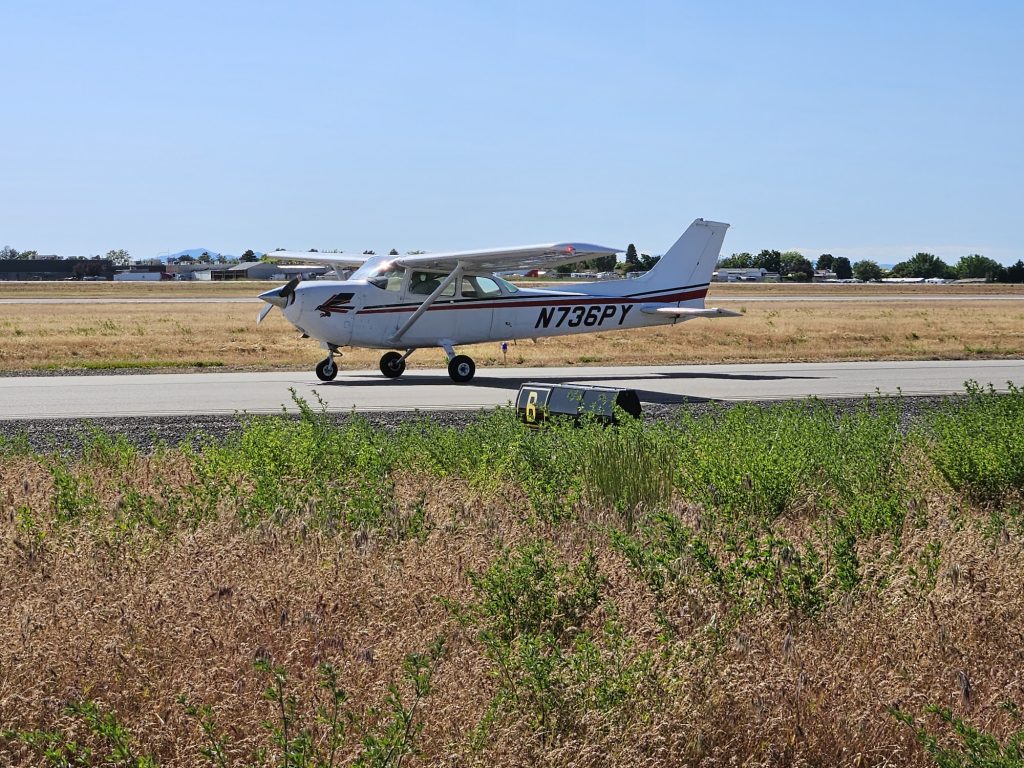
Ask for a quote based on a likely training range rather than a best-case minimum. That makes your budget less fragile.
Career-focused twin-engine experience
Career-focused twin-engine training matters most when you plan to fly professionally. The blue line refers to VYSE, the best single-engine rate-of-climb speed marked on many airspeed indicators.
After an engine failure, the pilot must first maintain control. That means managing pitch and bank while resisting the urge to rush into the wrong checklist action. The aircraft may yaw and roll toward the failed engine because thrust is no longer balanced.
Career training should also include instrument operations with one engine, takeoff risk choices, and the limits created by weight, density altitude, and aircraft configuration. Those details affect whether the aircraft can climb or must land ahead.
| Training path | Best fit | What to verify | Main caution |
|---|---|---|---|
| Axiom Accelerated program | Pilot who wants a short calendar | Aircraft access and DPE timing | Weather can extend the plan |
| Simulator-supported training | Pilot who needs systems practice | Which simulator sessions are included | Simulator time isn’t all flight time |
| Degree while you train (TESU or Purdue Global) | Student seeking an academic path | How certificates earn credit or how tuition discounts apply | Coursework adds to your weekly workload |
| Career Pilot Program and SkyWest pathway | Future airline or commercial pilot | Multi-engine time goals after the rating | A rating alone doesn’t meet every airline standard |
Career-focused training is about more than memorizing a speed. It teaches the control priorities that keep an engine failure from becoming a loss of control.
If your goal is the airline flight deck, Axiom is an official SkyWest Airlines Pilot Pathway Program partner and the only Utah flight school with that official pathway. Pairing your multi-engine rating with the pathway gives you a defined route from training toward a regional airline career.
Earn a degree while you train
Many pilots want a college degree alongside their certificates. Through our partnership with Thomas Edison State University, Axiom students can turn their FAA certificates into college credit toward an accredited aviation degree completed online.
Our Purdue Global partnership gives Axiom students, instructors, and alumni reduced tuition while they train: 20% off undergraduate and 14% off graduate tuition, with larger discounts for military students. Both options let you keep flying while you work toward a degree.
What to look for in a multi-engine program
- A proficiency-based plan: Training should continue until you can handle engine-out work calmly, not stop at a minimum hour count.
- A written, itemized estimate: Aircraft time, instructor time, simulator work, and examiner fees should appear on separate lines. At Axiom, that is part of our no-hidden-fees approach.
- Simulator access: A high-fidelity simulator lets you rehearse flows and failures before you spend aircraft time.
- A career connection: The rating should fit a longer plan, such as Axiom’s Pro Track, the Career Pilot Program, or the SkyWest Pilot Pathway Program.
FAA multi-engine rating requirements and training basics
The main rule set is in 14 CFR Part 61. The regulation includes detailed aeronautical experience language for commercial applicants, including 250 total hours in the stated multiengine pathway, powered-aircraft time, pilot-in-command time, instrument work, complex or turbine multiengine work, and night experience.
That creates a point of confusion. AOPA guidance says there is no overall minimum flight-time requirement when a pilot adds the multiengine class rating. In plain terms, an add-on applicant normally trains until an instructor finds the pilot proficient, then receives the needed endorsements and takes the practical test.
- Be at least 18 for a commercial multi-engine rating.
- Read, write, speak, and understand English.
- Hold the certificate needed for the rating being added.
- Hold an FAA medical certificate that fits the planned operation.
- Complete ground and flight training for the aircraft and test areas.
- Receive logbook endorsements for knowledge and usable-test readiness.
There is no separate written test for the commercial multi-engine add-on. The checkride has an oral portion plus a flight portion. Expect questions on systems, emergency flows, performance, critical-engine effects, and weight and balance. Flight tasks commonly include steep turns, slow flight, stalls, VMC demonstration, engine-out work, and an instrument approach when applicable.
The FAA also clarifies that a multi-engine rating isn’t required to obtain an ATP certificate. Airlines may still require the rating and a set amount of multi-engine time when hiring, so the legal minimum and the hiring standard aren’t always the same.
How to enroll in a multi-engine program
Start with your certificate, medical status, instrument rating, and logbook. Then ask for the aircraft type, instructor availability, lesson plan, expected training range, checkride process, and full fee list. Axiom focuses on safe, cost-effective training with no hidden fees, so you should get a clear answer on each one before you enroll.
Use a simulator when it helps you repeat flows without burning aircraft time. But keep enough aircraft practice for takeoffs, landings, trim, engine-out control, and the sight picture needed for a single-engine approach.
For pilots building toward professional work, compare the rating plan with your later multi-engine hour target. A short add-on may be enough for the certificate, while an airline application may call for more time.
Axiom Aviation can be a useful starting point if you want to compare a focused rating with a wider professional path. Its Pro Track flight training plan shows how a commercial multi-engine rating can fit into a longer sequence.
FAQ: Multi Engine Rating Requirements
How many hours do you need for a multi engine rating?
There is no single universal hour minimum for a commercial multi-engine add-on rating. Many pilots train for about 10 to 15 hours, but your time depends on proficiency. Part 61 also contains detailed hour rules for certain commercial experience paths. That’s why your school should separate add-on training time from total commercial aeronautical experience.
Do you need a written test for a multi engine rating?
You generally don’t need a new written test when adding a commercial multi-engine class rating to an existing commercial certificate. You still need ground training and instructor endorsements. The practical test includes an oral discussion and flight tasks. If you’re pursuing the rating as part of an initial certificate, the testing requirements can be different.
What is on the multi engine checkride?
The checkride normally has an oral portion and a flight portion. The multi engine rating requirements tested in flight can include steep turns, slow flight, stalls, VMC demonstration, engine-out procedures, and a single-engine approach when instrument privileges apply. The examiner may also ask about systems, critical-engine effects, performance, and weight and balance.
Do I need an instrument rating before adding multi engine?
You don’t always need an instrument rating before adding the multi-engine class, but your privileges depend on the certificate and ratings you hold. A pilot without instrument privileges must operate within VFR limits. Instrument-rated pilots may train for and demonstrate single-engine instrument work, which is useful for professional flying.
Is a multi engine rating required for an ATP certificate?
The FAA clarifies that a multi-engine rating isn’t required to obtain an ATP certificate. However, many airline jobs expect applicants to hold the rating and have multi-engine experience. Treat the FAA rule as the legal baseline, then check the hiring standards for the jobs you want.
Conclusion
Choose a program that gives you a clear proficiency plan, an honest cost estimate, and enough time to handle engine-out work without rushing. Axiom Aviation offers multi-engine training in Utah and Idaho with transparent costs, a high-fidelity simulator, and a direct connection to the SkyWest Pilot Pathway Program. Review our multi-engine training details and compare the plan with your long-term career goals.