
For private airplane training under Part 61, night flying requirements generally include three hours of instruction, a qualifying cross-country flight and ten takeoffs and full-stop landings. Check the aircraft-specific rule and any applicable exception with your instructor. Night passenger currency and commercial privileges impose separate requirements.
The details still matter. The FAA uses more than one meaning of “night,” and passenger currency has its own 90-day rule. Here’s how the standards fit together and how Axiom Aviation can help you plan the training.
We pulled the AOPA Air Safety Institute’s Night Flying Accident Report, which tracked 464 fixed-wing general aviation accidents from 2017 through 2021. Night accidents made up only 7% of all general aviation accidents in that period, yet accounted for 16% of fatal ones, with 150 of the 464 ending in fatality. Spatial disorientation appeared in 41 of those accidents, and 39 of those, roughly 26% of fatal night accidents, were fatal. Those numbers back up why pilots should treat the FAA’s three-hour night minimum and 90-day passenger currency rule as a floor, not a finish line.
What Counts as Night Under FAA Rules?
Night flying requirements depend on the task you’re performing. The FAA uses one definition for logging night flight, another for aircraft lighting, and another for carrying passengers at night.
For logging purposes, night begins at the end of evening civil twilight and ends at the start of morning civil twilight. Civil twilight is based on the sun’s position below the horizon. Your logbook should reflect the correct local times rather than a rough guess based on when the sky looks dark.
Aircraft lighting rules use the period from sunset to sunrise. That period matters when you’re checking whether position lights must be on. It isn’t always the same window used to record night flight time.
That difference can catch new pilots off guard. A flight that counts as night in your logbook may not fall inside the passenger-currency period. Ask your instructor to mark the start and end times clearly after each flight.
The private pilot rules also require night training as part of the certificate. You don’t earn a separate FAA night endorsement for a standard private pilot certificate. Instead, the night work is included in the certificate requirements for the aircraft category and class.
Private Pilot Night Flying Requirements by Aircraft Category
The eight powered-aircraft ratings listed below generally require three hours of night training under 14 CFR 61.109, subject to the exception in 61.110. Cross-country distances and landing requirements differ by rating. This table summarizes the night takeoff and landing requirement, not every certificate requirement.
Airplane single-engine and multiengine are classes within the airplane category; helicopter and gyroplane are classes within rotorcraft. Check the category and class you are applying for before using a training checklist. Glider and balloon certificate requirements are outside this table.
| Private pilot rating | Night training | Night takeoffs and landings |
|---|---|---|
| Airplane single-engine land | 3 hours | Ten takeoffs and ten full-stop landings, each with a traffic pattern |
| Airplane multi-engine land | 3 hours | Ten takeoffs and ten full-stop landings, each with a traffic pattern |
| Helicopter | 3 hours | Ten takeoffs and ten full-stop landings, each with a traffic pattern |
| Gyroplane | 3 hours | Ten takeoffs and ten full-stop landings, each with a traffic pattern |
| Powered-lift | 3 hours | Ten takeoffs and ten full-stop landings, each with a traffic pattern |
| Airship | 3 hours | Five takeoffs and five full-stop landings, each with a traffic pattern |
| Powered parachute | 3 hours | Ten takeoffs and landings, each with a traffic pattern; this night-training clause does not specify full stops |
| Weight-shift-control aircraft | 3 hours | Ten takeoffs and landings, each with a traffic pattern; this night-training clause does not specify full stops |
The table shows the legal floor, not a promise that every student will feel ready after the minimum. Night work can expose weak habits quickly. A pilot who needs extra time with runway lighting, traffic patterns, or visual references should take it.
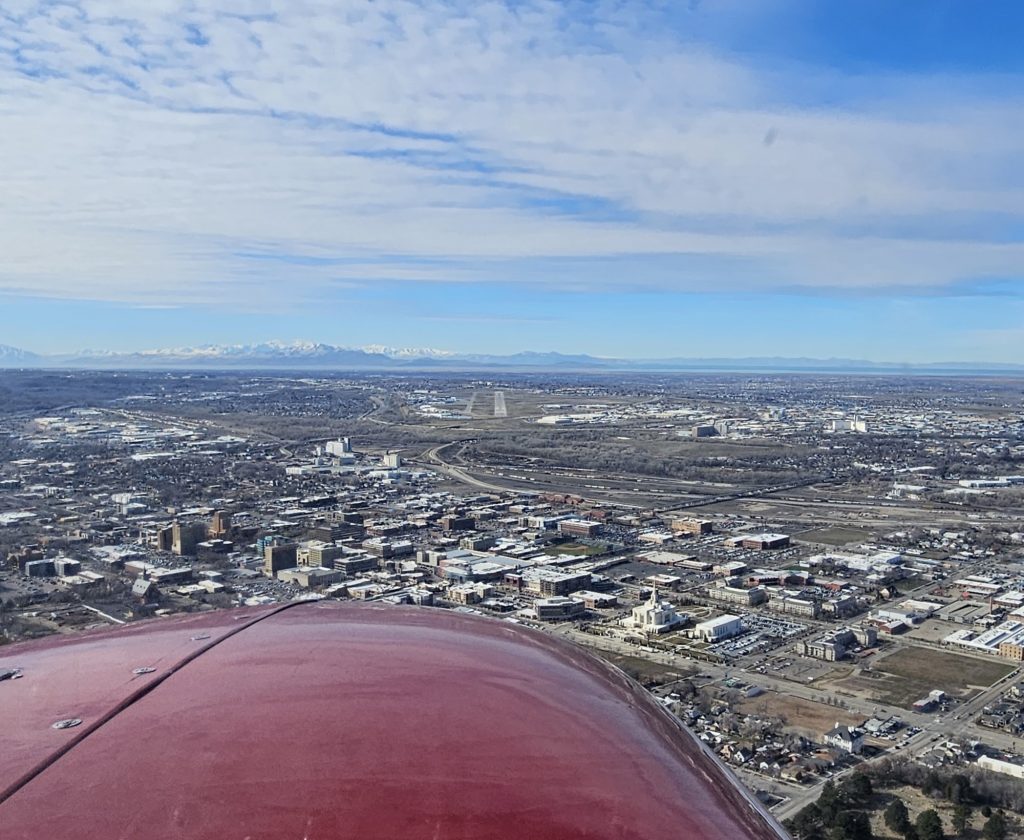
Axiom Aviation trains aspiring pilots in Utah and Idaho, with a focus on safe and cost-aware career preparation. Students who are still building their basic certificate plan can also review the Private Pilot License Requirements: FAA Guide before scheduling night lessons.
One more point matters for career pilots. The three night hours are only a small part of the full path toward commercial and airline work. You’ll still need later training in areas such as instrument flying, commercial maneuvers, and multi-engine operations.
Required Night Hours, Takeoffs, and Full-Stop Landings
For private single-engine or multiengine airplane training under 61.109, the night requirement includes three hours with an instructor, a cross-country flight exceeding 100 nautical miles in total, and ten takeoffs and full-stop landings with traffic-pattern work. The powered-parachute and weight-shift-control night clauses use different landing wording; check the applicable subsection.
For an airplane single-engine private certificate, the night training also includes one cross-country flight of more than 100 nautical miles total distance. The rule concerns the total route, so your instructor must plan the flight to meet the applicable distance and training standard.
Don’t confuse a full-stop landing with a touch-and-go. A touch-and-go includes a landing, but the airplane does not stop before departing again. When the regulation calls for full-stop landings, the aircraft must land and come to a complete stop.
A good training plan spreads the work across more than one lesson. An early flight might focus on runway lighting and traffic patterns. A later flight can add the cross-country work once you’re comfortable with the local airport environment.
Commercial airplane training has additional requirements. 14 CFR 61.129 specifies a night cross-country training flight and separate night VFR experience within its solo-or-pilot-in-command-duty provisions. Review the complete applicable subsection with your instructor; a private-pilot night checklist does not establish commercial eligibility.
Commercial airship experience is listed separately in 61.129(g). Use that subsection for airship training rather than transferring an airplane requirement or combining its separate night-training and pilot-in-command requirements into one number.
Use the linked regulation with your instructor when you build the training record.
Night Training, Passenger Currency, and Instrument Rating Questions
A private pilot can conduct an otherwise lawful night flight under visual flight rules without an instrument rating. Commercial privileges need a separate check: under 14 CFR 61.133(b)(1), an airplane or powered-lift commercial certificate issued without the corresponding instrument rating limits carrying passengers for hire at night or on cross-country flights exceeding 50 nautical miles.
Think of the requirements as two separate tracks. Night training teaches you to operate with reduced visual cues. Instrument training teaches you to control and handle the aircraft by reference to instruments when outside visual references are limited or unavailable.
For the general night-currency rule in 14 CFR 61.57(b), the relevant period starts one hour after sunset and ends one hour before sunrise. Within the preceding 90 days, complete at least three takeoffs and three full-stop landings during that same period. Act as sole manipulator in the required category, class and type, when a type rating applies. Check the regulation for applicable exceptions.
This rule applies even when you completed all required night training months ago. A pilot may have a valid certificate yet lack the recent experience needed to carry a passenger during the defined night period.
Instrument currency is separate again. If you want to fly under IFR, you need the required recent instrument experience or an instrument proficiency check. Night currency does not replace instrument currency, and instrument currency does not replace night passenger currency.
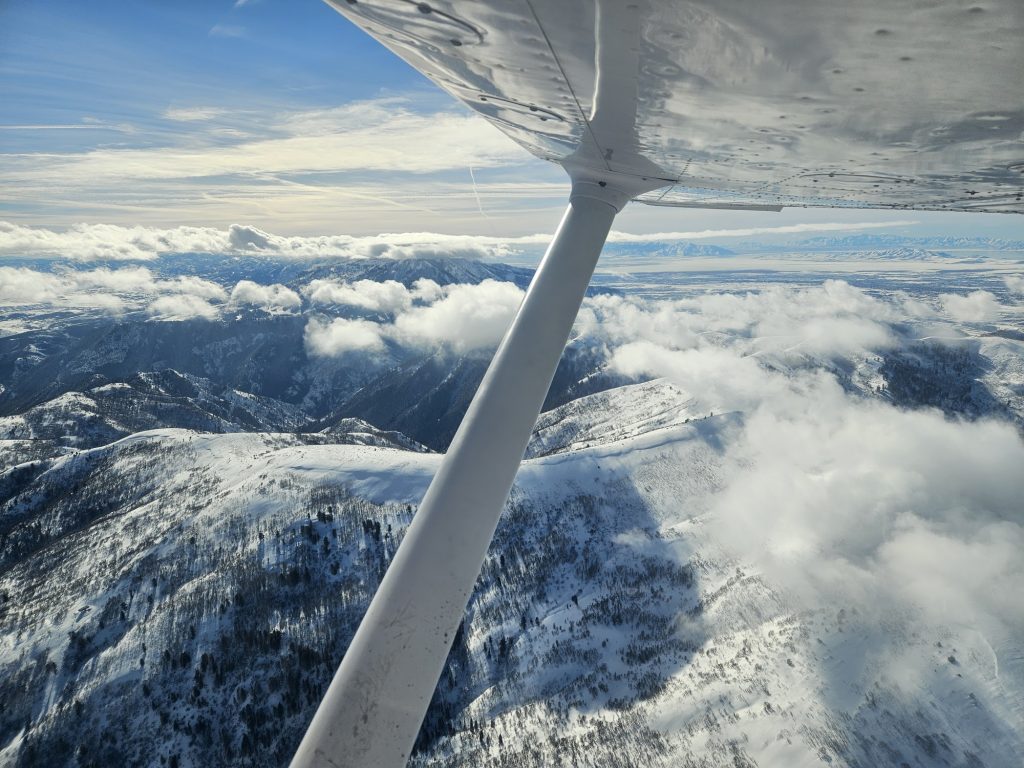
We recommend that students treat the legal minimum as a planning marker. A few extra night sessions may help you build better visual scanning habits before you move into commercial or instrument training. Axiom Aviation can help aspiring airline pilots map those sessions to the certificate they’re pursuing.
One hidden risk is a long gap between night training and the checkride. If your training ends early, ask your instructor whether a refresher flight makes sense before the test. Legal eligibility and personal readiness are different questions.
How Flight Schools Prepare Pilots for Night Operations
Flight schools prepare pilots for night operations by pairing the required maneuvers with sound workload control. The goal is not to rush through 10 landings. It’s to build habits that still work when the horizon fades and airport lighting becomes the main visual reference.
A typical lesson begins with a detailed briefing. The instructor reviews weather, runway lighting, airport layout, traffic flow, fuel planning, and emergency options. The student should know which visual cues may disappear after sunset.
In the aircraft, the instructor may start with normal patterns before adding distractions. The student practices stable approaches, correct airspeed, smooth flares, and disciplined runway alignment. If the approach becomes unstable, the right answer is a go-around.
Night cross-country training adds planning pressure. You must identify checkpoints that remain visible after dark, confirm airport lighting details, and keep navigation work ahead of the aircraft. A route that feels simple during daylight can demand more attention at night.
Simulator work can support this training when the school has an approved device and uses it within the proper program. A simulator can let a student rehearse instrument failures or abnormal events without first placing those problems in the aircraft.
Good instructors also teach the limits of night vision. Bright cockpit lights can hurt your ability to see outside. Looking directly at a dim object may make it harder to detect than using a slight offset in your gaze.
At Axiom Aviation, future aviation professionals can begin their training in Ogden or St. George, Utah, or Idaho Falls, Idaho. The school’s career focus makes night training one piece of a longer path toward commercial certificates and airline work. Students can also compare the broader airline pilot requirements so they understand what comes after private pilot training.
FAQ
How many hours of night flying are required for a private pilot?
The powered-aircraft ratings in this table generally require three hours of night training under 61.109, subject to 61.110. The required cross-country work and takeoffs and landings vary by rating. Confirm the complete subsection with your instructor. These figures do not describe glider or balloon requirements or an alternative training route.
How many night landings do I need for a private pilot license?
For the private airplane, helicopter, gyroplane and powered-lift ratings listed here, the night clause requires ten takeoffs and ten full-stop landings with traffic-pattern work. Airships require five of each. Powered-parachute and weight-shift-control night clauses specify ten takeoffs and landings without the same full-stop wording. Passenger currency remains a separate rule.
Do I need an instrument rating to fly at night?
A private pilot may fly at night under visual flight rules without an instrument rating when all other applicable requirements are met. That does not authorize instrument flight or remove commercial certificate limitations. Commercial airplane and powered-lift pilots without the corresponding instrument rating face the passenger-for-hire restriction in 61.133(b)(1).
How recent must night landings be to carry passengers?
Under the general rule, make at least three takeoffs and three full-stop landings within 90 days, between one hour after sunset and one hour before sunrise. The same period defines when the night-currency rule applies to carrying people. Meet the sole-manipulator, aircraft category, class and applicable type requirements; consult 61.57 for exceptions.
Does a touch-and-go count as a required night landing?
A touch-and-go does not replace a required full-stop landing. When the FAA rule calls for full-stop landings, you must land and bring the aircraft to a complete stop before taking off again. Track each operation with your instructor so your logbook matches the certificate requirement.
Conclusion
Plan night training around the exact certificate rule, then protect your passenger currency with a simple 90-day check. If you’re ready to begin your aviation journey, speak with Axiom Aviation about a training plan that fits your current certificate and long-term airline goal.