
Many pilots expect night training to mean a few takeoffs after dark. For a private airplane certificate, the FAA also requires a night cross-country flight covering more than 100 nautical miles. Here’s how the rules differ for private pilots, commercial pilots, students flying solo, and pilots carrying passengers.
We pulled AOPA Air Safety Institute’s night accident dataset for 2017 to 2021. We also read 10 Pilots of America forum threads on night currency, including one 40-post thread spanning 2005 to 2011. Night flights made up 7% of 464 general aviation accidents, yet 16% of fatal accidents, and 150 of those accidents were fatal. Forum threads repeatedly mixed up the civil-twilight logging window with the sunset-plus-one-hour currency window, which can leave a pilot short of legal currency.
What “Night” Means Under FAA Rules
Night rating requirements depend on what you’re doing. In the United States, the FAA doesn’t issue a separate night rating with a standard private pilot certificate. Instead, required night training is part of earning that certificate.
For logging flight time as night, the FAA uses the period between the end of evening civil twilight and the start of morning civil twilight. Civil twilight is based on the sun’s position, so the hours that count change with location and season. That’s why a fixed clock time isn’t a safe way to decide when night time starts in your logbook.
Passenger currency uses a different window: one hour after sunset until one hour before sunrise. A flight may count as night time in your logbook yet fall outside the window for night passenger currency. When you’re planning a flight, first decide whether you’re logging night time or meeting the passenger rule.
Keep the night definition for logging separate from the passenger-currency window. We also explain the different time windows in our FAA night flying requirements overview, since mixing them up can lead to a logbook entry that doesn’t prove currency.
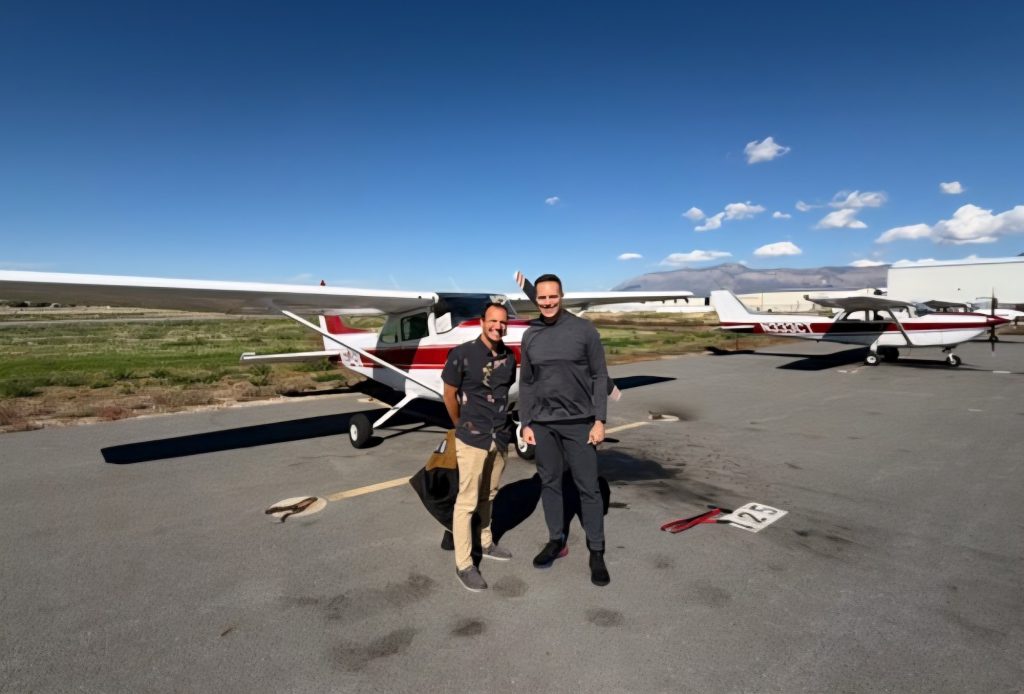
Keep these definitions separate in your notes. “Night” on a logbook entry and “night” for passenger currency don’t mean the same time period.
Private Pilot Night Flight Requirements
For a private airplane certificate, night flight training is one part of the overall training requirements. The minimums include three hours of night flight training. That training must include a cross-country flight of more than 100 nautical miles total distance.
You also need 10 takeoffs and 10 full-stop landings at an airport. Each landing must include a flight in the traffic pattern. A full stop means the airplane stops on the runway before you taxi back or depart again. A touch-and-go landing doesn’t meet that specific training requirement.
The details matter because the distance and landing count are separate pieces of the rule. A flight that covers enough distance doesn’t replace the required pattern landings. And the training hours don’t automatically prove that every required task was completed. Ask your instructor to track each item as you train.
| Training item | Private airplane minimum | What to check in your logbook |
|---|---|---|
| Night training time | 3 hours | Record qualifying night flight time and instruction. |
| Night cross-country | More than 100 nautical miles total | Confirm the total route distance meets the rule. |
| Takeoffs and landings | 10 takeoffs and 10 full-stop landings | Confirm each landing includes a traffic-pattern flight. |
For the rest of the private certificate steps, our private pilot license requirements guide covers the broader training path.
These are training minimums, not a promise that a pilot will feel ready for every night flight. Dark areas can make the horizon hard to see, and familiar landmarks may look different from above. Use the required lessons to build sound habits, then talk with your instructor about any gaps before flying at night on your own.
Commercial Pilot Night Flight Requirements
Commercial pilot night requirements add specific experience to the larger set of commercial certificate minimums. For a single-engine airplane under the Part 61 path, the night portion includes five hours of night VFR flight time. VFR means flying by visual reference under visual flight rules.
Those five hours must include 10 takeoffs and 10 landings. Each landing must involve a traffic-pattern flight at an airport with an operating control tower. The night experience also includes a two-hour cross-country flight that covers more than 100 nautical miles.
Track each part on its own. A pilot can have enough total night flight time but still be short on the required towered-airport landings. Or the route may meet the distance threshold without meeting the two-hour flight requirement. Check the route and airport details with your instructor before you count a flight toward the commercial minimum.
Keep the distinction between total certificate hours and night tasks clear as well. These night items fit within the broader commercial experience requirements; they aren’t all extra hours to add on top of every other minimum. The exact rule depends on the aircraft rating and training path, so confirm which section applies to you.
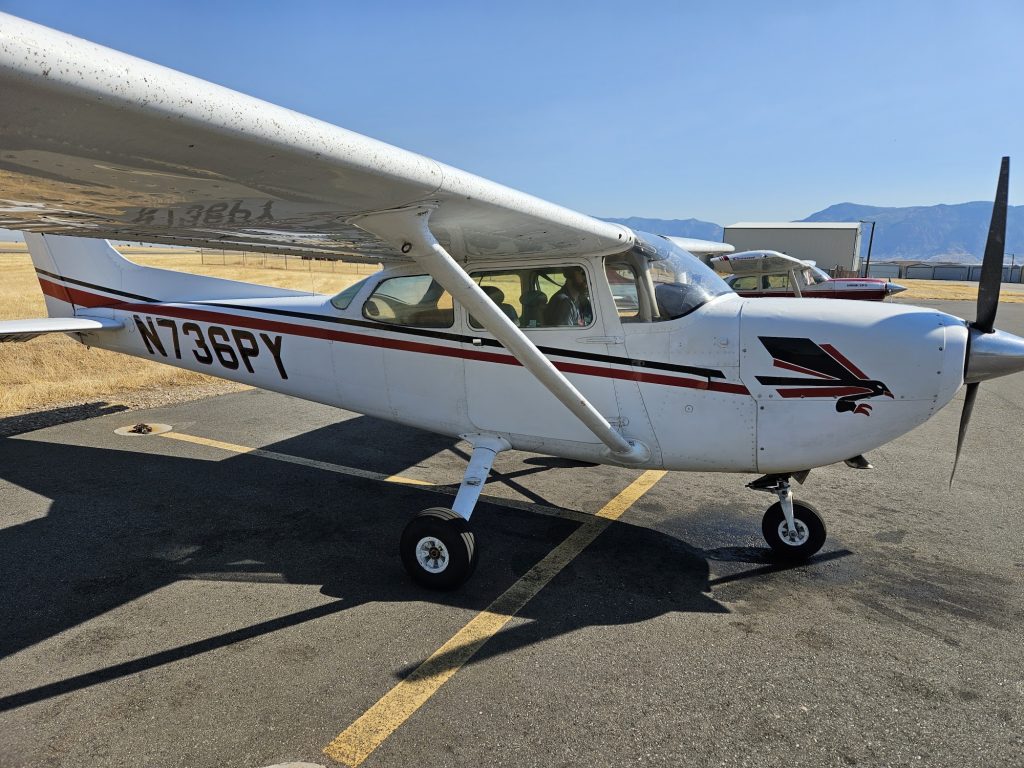
A night cross-country lesson can support more than one logbook category when it meets each category’s rules. Still, don’t assume one entry satisfies every requirement. Review the route, time, airport, and landing count with your instructor before signing off the experience.
Student Pilot Night Solo Rules
Student pilot night solo rules are stricter than the rules for a certificated private pilot. A student can’t simply complete night training and decide to go solo. The flight instructor must provide the required training and endorsement for the planned solo operation.
Before a student flies solo, federal rules require the student to show knowledge of the applicable regulations and airport procedures. The student must also receive and log training in the required maneuvers and show the instructor they can perform them safely. For solo privileges, the instructor’s endorsement and any stated limits matter.
Night solo authorization needs careful attention to the specific airport and operation. Don’t assume an endorsement for one airport covers another, or that a daytime solo sign-off allows a night flight. Student pilots may not solo at night without a night flight training endorsement specific to the airport. Review the student solo training rules with your instructor. Your instructor can explain which additional limits apply to your planned route.
Visibility also needs to meet the limits in your endorsement and the applicable rules.
If you’re still working toward solo privileges, our student pilot solo requirements guide explains the broader sign-off process. At Axiom Aviation, we train aspiring pilots at our Ogden and St. George, Utah locations, as well as in Idaho Falls, Idaho. Your instructor should be part of every decision about a night solo flight.
Night Currency, Logging, and Staying Current
Earning the required night training and staying current to carry passengers at night are two different things. Under the general rule, you need at least three takeoffs and three full-stop landings within the preceding 90 days to carry passengers during the night currency period.
That period runs from one hour after sunset until one hour before sunrise. The landings must be in the same aircraft category and class, and in the same type when a type rating applies. You must also be the sole manipulator of the controls for the qualifying takeoffs and landings.
This is where pilots can get caught out. The private certificate’s night training calls for 10 takeoffs and 10 full-stop landings, while passenger currency generally calls for three of each within 90 days. The larger training count helps meet certificate requirements; it doesn’t keep your passenger currency current forever.
Make your logbook useful to your future self. Along with the flight details, record the count of qualifying takeoffs and full-stop landings. That way, you can check the rolling 90-day window without relying on memory. Our flight-hour logging guide explains how to keep different time categories clear in your records.
Before night VFR flight, check aircraft equipment and fuel requirements too. Federal rules set lighting requirements for night operations, and night VFR fuel planning requires a reserve of at least 45 minutes after reaching the first point of intended landing. Your aircraft’s equipment and the actual route still need a careful preflight check.
Frequently Asked Questions
Is there a separate FAA night rating for private pilots?
No, the FAA doesn’t issue a separate night rating with a standard private pilot certificate. Night training is included in the certificate requirements for the aircraft rating. Once you hold the certificate, you still need to meet the separate night passenger currency rule before carrying passengers during its defined window.
How many night hours does a private pilot need?
A private airplane applicant needs at least three hours of night flight training as part of the night rating requirements. The training also includes a night cross-country flight of more than 100 nautical miles total distance. It must include 10 takeoffs and 10 full-stop landings, with each landing involving a traffic-pattern flight.
How many night landings do I need to carry passengers?
You generally need three night takeoffs and three full-stop landings within the preceding 90 days to carry passengers at night. They must occur in the period from one hour after sunset to one hour before sunrise. The aircraft category and class must match, along with type when a type rating is required.
Can a student pilot fly solo at night?
A student pilot may fly solo at night only after meeting the applicable training and endorsement requirements. Night solo limits can depend on the airport and the planned operation, so a daytime endorsement alone isn’t enough. Check your endorsement and get your instructor’s approval before planning a night solo flight.
Does night flight time start at sunset?
No, night time for logging begins at the end of evening civil twilight and ends at the start of morning civil twilight. Passenger currency uses a separate window that starts one hour after sunset. Check the rule that applies to your task before logging time or carrying passengers.
Conclusion
Plan night training around the exact task you need to complete, then have your instructor review the logbook entries before you rely on them. If you’re preparing for a private or commercial certificate, talk with Axiom Aviation about training at a location that works for you and begin your aviation journey with a clear night-flight plan.