
Ready to start flight training? The student pilot certificate is easier to get than many new pilots expect, but a few details can delay your first solo. The medical rule also has a twist: some sport-pilot students may use a valid U.S. driver’s license instead of a third-class medical. Here are the 10 rules to check before you apply.
1. Axiom Aviation, Flight-School Support for Certificate Readiness
Axiom Aviation is a flight school with locations in Ogden, St. George, and Idaho Falls. It helps aspiring pilots begin training while they work through the paperwork needed before solo flight.
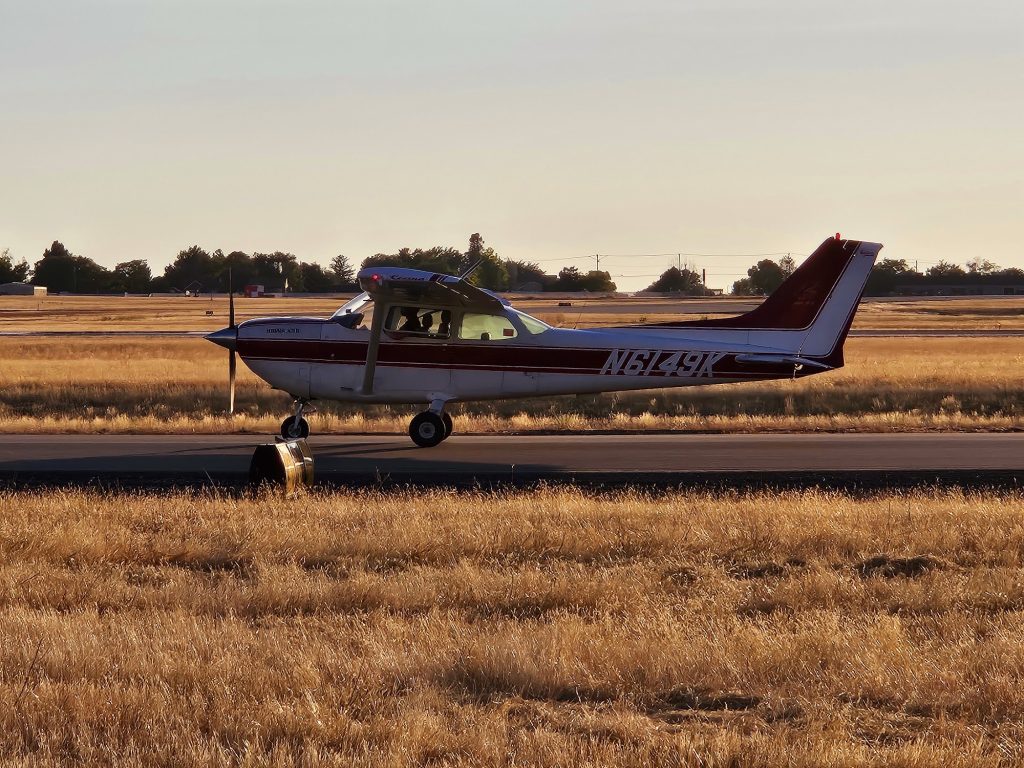
This makes Axiom Aviation a useful first stop for students who want help with the student pilot certificate process. You don’t need the certificate before your first lesson. You do need it before you fly solo, and your certified flight instructor, or CFI, must take part in the application and endorsement process.
Our training programs are built around FAA age, medical, and English proficiency standards. We also explain how the certificate fits into the larger private pilot path, instead of treating the application as a stand-alone form.
That matters when your goal is an airline career. A student certificate only supports supervised training and approved solo flights. It doesn’t give you private pilot privileges, passenger rights, or permission to fly for pay. Students who want a clear next milestone can review Axiom Aviation’s private pilot license path in Utah while they prepare their first application.
One caveat: a flight school can guide you, but the FAA rules still control. Your CFI must verify your identity, confirm your English proficiency, review your application, and decide when you’re ready for solo work.
2. Airplane, Glider, and Balloon Age Minimums, Choose the Rule for Your Aircraft Category
Age is one of the first student pilot certificate requirements, but the minimum depends on the aircraft category.
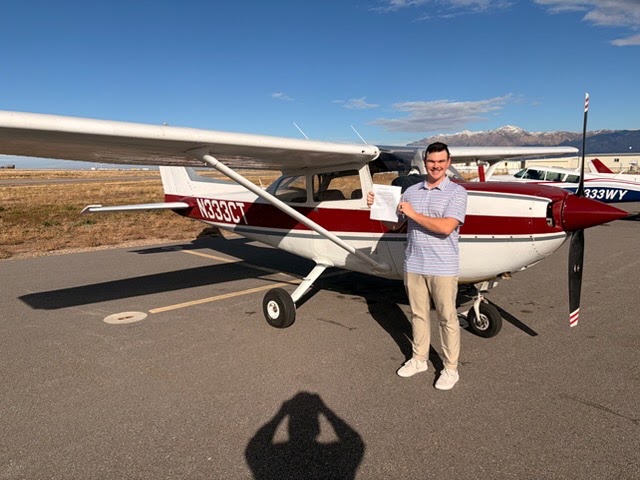
There is an important distinction here. You may begin flight lessons before reaching the solo age. The certificate becomes necessary when you’re preparing to act as the sole occupant during a solo flight.
For example, a 15-year-old airplane student can take dual lessons with a CFI. That student cannot solo until reaching the required age, holding the certificate, completing the required training, and receiving the instructor’s endorsement.
The same rule doesn’t apply in exactly the same way to every aircraft. A young glider student may become eligible sooner than an airplane student. Your instructor should match the application timing to the category you plan to fly.
Use the current certificate duration information in the eCFR when checking related certificate details. The eCFR is the electronic version of the federal aviation rules, so it is a better reference than an old school handout.
3. English Proficiency and Citizenship, Meet Eligibility and Identification Standards
English proficiency is a student pilot certificate requirement. You must be able to read, speak, write, and understand English well enough to operate safely. Native fluency isn’t the test. Functional aviation communication is.

Your instructor checks this during the application meeting. They may ask you to explain basic flight terms, read information, or respond to normal training questions. If a medical condition affects your ability to meet one part of the English rule, the FAA may place limits on your certificate.
Citizenship is a separate issue. U.S. citizenship isn’t listed as a general requirement for the student certificate. Non-U.S. citizens can train in the United States, but they may need to complete TSA security vetting before receiving the temporary certificate.
Use your legal name exactly as it appears on your government-issued identification. A mismatch in your name, birth date, or mailing address can slow the review. This is a small form error with a large effect, since the FAA uses your application data to issue the certificate.
Bring a valid photo ID to the instructor meeting. Common choices include a U.S. driver’s license, passport, military ID, or another document accepted by the certifying instructor.
Keep your FTN, or FAA Tracking Number, in a safe place. IACRA assigns it to you after registration, and you’ll use it for later certificates, ratings, and other FAA records. It belongs to you for your aviation career.
4. Medical Certificate Classes and BasicMed, Know What Applies Before Training
The medical part of the student pilot certificate requirements depends on the privileges you plan to use. The student certificate itself is separate from a medical certificate. You may start lessons without either one.
For airplane students working toward private pilot privileges, getting a third-class FAA medical early is the safest choice. An Aviation Medical Examiner, or AME, performs the exam. The exam covers areas such as vision, hearing, and general health, but the AME makes the medical decision.
Career-minded students should think further ahead. A third-class medical may fit private pilot training, while commercial flying calls for a second-class medical. Airline work generally requires a first-class medical. Getting the class that matches your long-term goal early can reveal an issue before you spend heavily on training.
There is a limited exception. Under the sport-pilot rule, a valid U.S. driver’s license may substitute for a third-class medical when you’re exercising sport-pilot privileges in an eligible aircraft. That exception doesn’t turn every student pilot into a sport pilot, and it doesn’t cover every aircraft or operation.
BasicMed is also limited. It is an alternative medical qualification for certain pilots who meet its conditions. It isn’t a general replacement for the medical rules that apply to a new student seeking private or commercial privileges.
If you have a health concern, ask an AME before committing to a full training plan. For more information, see the student pilot medical guidance for AMEs. A pilot school can help you plan, but it can’t issue your medical certificate.
We recommend that future professional pilots treat the medical exam as an early planning check. It may add a cost, but it can prevent a much larger surprise later.
5. IACRA and Paper Applications, Compare the Two Certificate Application Routes
You can apply through IACRA or with paper FAA Form 8710-1. Both routes require an authorized person to review and submit the application. The main difference is how you enter and track the information.
IACRA is usually the cleaner option because it stores your application in the FAA’s electronic system. You create an applicant account, receive an FTN, start a student pilot application, and send it to your CFI for review. Your instructor then completes the certification steps.
Paper can make sense when an instructor or authorized FAA office prefers that route. It may also help students who have trouble with the online system. But paper creates more room for missed fields, handwriting problems, and mailing delays.
| Application route | Best fit | What to watch |
|---|---|---|
| IACRA | Most students who can use an online account | Save your login details and FTN. The application is not complete until the instructor certifies it. |
| FAA Form 8710-1 | Students working with an authorized office or instructor using paper forms | Check every field before submission. Processing and mailing may take longer. |
| FSDO submission | Applicants who submit directly to a Flight Standards District Office | The FAA says direct FSDO applications have no application charge. |
| Instructor or examiner submission | Students who want help during the certification meeting | The authorized person may charge a reasonable processing fee. |
The FAA lists several authorized submission points. These include a Flight Standards District Office, a designated pilot examiner, an airman certification representative at a Part 141 school, or a certificated flight instructor.
Axiom Aviation students can ask their CFI which route fits the school’s workflow. The best choice is the one that keeps your identity check and application review tied to a real instructor meeting.
Don’t mistake an online submission for a finished certificate. IACRA accepts the application first. Your instructor still has to certify it.
6. IACRA Identity Verification, Complete the Session and Upload Acceptable Documents
IACRA identity verification is the hands-on part of the student pilot certificate requirements. You can start the application alone, but a recommending instructor must finish the certification process with you.
Begin by registering as an applicant. Enter your legal personal details, select security questions, and set a password you can recall. After registration, IACRA shows your FTN in your user profile. Write it down before starting the application.
Next, sign in and select “Start New Application.” Choose “Pilot” as the application type. Then choose “Student Pilot.” The system opens the student application and pre-fills some personal information from your account.
Review each part carefully. Confirm your address. Add a physical residence if it differs from your mailing address. Answer the English language question and the drug conviction question. If you hold a medical certificate, enter it.
Review the Privacy Act statement and the application summary. Answer the question about a previously denied certificate or rating. Then submit the application and give your FTN to your CFI.
At the meeting, your instructor finds the application with your FTN. They verify your photo ID and enter the identification details. They also check your age and English proficiency. You review the application again before signing.
You’ll log in during the session to accept the Pilot’s Bill of Rights acknowledgment and electronically sign the application. Your instructor then reenters their credentials and completes the certification checklist.
Have your ID ready before the meeting. A U.S. driver’s license, passport, military ID, or another accepted photo document may work, but the instructor decides whether the document is acceptable.
For a detailed comparison of training structures, our guide to Part 61 and Part 141 flight schools can help you understand how the school setting may affect your next steps.
7. Temporary Student Pilot Certificate, Print, Carry, and Replace It Correctly
The temporary student pilot certificate is the short-term document you use while the FAA processes your permanent certificate. It becomes available in your IACRA applicant console after the application is certified, TSA vetting is complete when required, and the age condition is satisfied.
Don’t expect the temporary document the moment you click submit. The FAA guidance says it may appear in about seven days after the required conditions are met. Processing can vary, so apply well before your planned solo date.
When it appears, open the temporary certificate through your applicant console. Print it. Sign it if instructed. Keep it with the other documents your instructor tells you to carry during solo operations.
The permanent certificate is mailed to the address on your application. Check that address twice before submitting. A wrong address can lead to a missed card and a replacement request.
If you lose the temporary certificate, don’t create a second application. Ask your instructor about the replacement process. Keep a secure copy of your application details, but don’t treat a screenshot as a substitute for the document your instructor or FAA rules require.
The certificate is one part of your solo paperwork. Your logbook still needs the correct instructor endorsements.
8. Certificate Validity and Renewal, Track the Timeline Instead of Assuming Permanence
For most current applicants, a student pilot certificate has no expiration date. The FAA changed the system so a certificate issued after April 1, 2016 remains valid unless it is surrendered, suspended, revoked, or replaced by a higher certificate.
That doesn’t mean every old paper certificate lasts forever. Paper student certificates issued before that date followed older timing rules. For a student under 40, the old period was 60 calendar months after the month of the medical examination. For a student age 40 or older, it was 24 calendar months after that examination.
The certificate duration rules explain the difference between certificates with an expiration date and certificates issued without one.
Your medical certificate has its own duration rules. A permanent student certificate doesn’t keep a medical current. Track the medical separately, especially if you plan to move toward a private, commercial, or airline certificate.
There is also a usable renewal issue. You may not need to renew the student certificate itself, but you may need a new certificate if your name changes, the card is lost, or the FAA directs you to replace it.
Make a small record in your logbook or digital file with your FTN, certificate details, medical date, and instructor endorsements. This takes minutes and saves time when your training moves to the next rating.
9. Solo Flight Limitations, Follow Passenger, Compensation, and Endorsement Rules
A student pilot certificate doesn’t give you free control of an airplane. It allows solo flight only after your CFI confirms that you meet the training and knowledge requirements in 14 CFR 61.87.
Before solo, you must receive and log training for the required maneuvers and procedures for the aircraft make and model. In a single-engine airplane, that includes preflight preparation, taxiing, takeoffs, landings, traffic patterns, turns, climbs, descents, slow flight, stall recovery, emergency procedures, ground reference work, simulated engine failures, slips, and go-arounds.
You must also pass a pre-solo knowledge test given by your authorized instructor. The test covers relevant parts of Parts 61 and 91, local airport airspace rules, and the aircraft’s operating limits. Your instructor must review missed answers with you before approving solo flight.
Then comes the endorsement. Your CFI must endorse your logbook before the first solo flight. The endorsement must apply to the make and model you will fly. If you move to a different aircraft type, you may need another endorsement.
Solo limits are strict:
- You can’t carry passengers during a solo student flight.
- You can’t fly for compensation or hire.
- You can’t take a friend on a short trip because the friend offers fuel money.
- You must carry the documents required for the operation, including your certificate and logbook endorsements.
- You need the proper endorsement before a solo cross-country flight.
A CFI may ride with you during dual instruction. In that case, the instructor is performing the pilot role under the rules for that flight. That does not give you permission to carry passengers when you later fly alone.
The solo flight requirements cover the training, knowledge, and endorsement requirements. Your instructor may add limits based on weather, airport traffic, aircraft condition, or your current skill.
10. TSA Vetting, Costs, and Next Milestones, Plan Beyond the Certificate
TSA vetting is part of the process for many non-U.S. citizens and other applicants covered by flight training security rules. The certificate may not become available until TSA completes its review. Start that process early if it applies to you.
Ask your flight school what documents it needs for the security review. Your passport, visa or immigration record, and training details may matter. The exact paperwork depends on your status and the type of training, so don’t rely on a classmate’s checklist.
The certificate application itself may be free when submitted directly to an FSDO. An instructor, designated pilot examiner, or Part 141 airman certification representative may charge a reasonable processing fee. Ask about that fee before the meeting.
Your larger budget has separate parts:
- Possible application processing cost.
- Medical exam cost if you need an AME.
- Flight instruction and aircraft rental.
- Ground training and study materials.
- Logbook, headset, charts, and other training items.
- Later testing and checkride expenses.
The student certificate itself is usually a small part of the full private pilot budget. It doesn’t include flight hours, instructor time, aircraft rental, or the private pilot checkride. For a closer look at the larger training budget, see Axiom Aviation’s flight school cost guide for Utah.
After you receive the certificate, your next milestone is usually supervised training toward the first solo. Later, you’ll work toward solo cross-country privileges, the private pilot knowledge test, and the practical test with a designated pilot examiner.
Students who want airline work should keep the long path in view. The private pilot certificate comes first. Instrument training follows for most professional routes, then commercial training and the required experience. Axiom Aviation also supports students who want to launch an aviation career through structured training and career-focused planning.
Don’t rush the solo endorsement. A certificate proves identity and eligibility. It doesn’t prove that you’re ready to manage the airplane alone. That judgment belongs with your instructor.
FAQ
Do I need a medical certificate to get a student pilot certificate?
For many airplane students, a third-class medical is needed before solo or before exercising private-pilot privileges. A valid U.S. driver’s license may replace the medical for eligible sport-pilot operations. Ask an AME early if you plan to become a professional pilot.
Can I apply for a student pilot certificate online?
Yes, you can apply online through IACRA, but the online form is only part of the process. After you submit it, a recommending instructor must verify your identity, review your English proficiency, check the application, and complete the certification steps. You can also use paper FAA Form 8710-1 through an authorized FAA office or instructor.
What age do you have to be to get a student pilot certificate?
You must be at least 16 for an airplane or most other aircraft categories covered by the general rule. The minimum is 14 for gliders and balloons. You may take dual lessons before reaching that age, but you can’t solo until you meet the age rule and all other training conditions.
Can a student pilot fly solo with passengers?
No, a student pilot can’t carry passengers during a solo flight. The student must be the sole occupant of the aircraft. A student also can’t fly for compensation or hire. Before solo, the instructor must provide the required training, administer the knowledge test, judge the student’s skill, and enter the proper logbook endorsement.
How long does a student pilot certificate last?
A current student pilot certificate issued after the old paper system has no expiration date. It remains valid unless surrendered, suspended, revoked, or replaced by a higher certificate. Older paper certificates followed age-based expiration periods tied to the medical exam. Your medical certificate still has its own expiration rules.
Do non-U.S. citizens need additional documentation for flight training?
Requirements for non-U.S. citizens can vary based on the applicant’s status and training activity. Give your school the requested identity and immigration documents early, since document review can affect the timing of your first solo.
Conclusion
The best next move is to choose a CFI and start the application early, before solo training is on the calendar. Gather your photo ID, confirm your aircraft category and age rule, decide whether you need an AME, and save your FTN. If you’re planning professional training, explore Axiom Aviation’s pathway options while you begin your aviation journey.