Multi engine training cost can look simple on a price sheet, but the total depends on much more than aircraft rental. Flight hours, instructor time, simulator use, checkrides, and your career path all affect the bill. Axiom Aviation builds its airline-focused track around transparent planning, with simulator training included in its multi-engine path.
Here’s how to read the price, compare programs, and set a budget that won’t fall apart halfway through training.
What Is Included in Multi Engine Training Cost?
Multi engine training cost usually covers the airplane, a multi-engine instructor, ground lessons, and the flight time needed to prepare for a practical test. It may also include simulator sessions, study materials, stage checks, and some exam fees. The key is to ask what the quoted figure includes before you compare it with another school’s number.
A multi-engine rating can be added to an existing pilot certificate. A private pilot may pursue the rating for personal flying, while a commercial student usually adds it as part of a larger airline career plan. The training path changes the bill because an airline-track student may also need instrument, commercial, and flight instructor certificates.
A flight training cost breakdown can list aircraft time, instructor time, simulator use, FAA exams, supplies, housing, and financing as factors that can shape the final cost. That list gives you a useful checklist when a school presents a single headline price.
At Axiom Aviation, the multi-engine track includes a full-flight simulator. That matters because some lessons can begin in a controlled setting before you repeat the skill in the aircraft. It can also help you rehearse engine-out procedures without paying the aircraft rate for every practice session.
- Aircraft time: You pay for the twin-engine aircraft while it is being used for training.
- Instructor time: The multi-engine instructor may bill for time in the air and on the ground.
- Simulator time: A simulator may support systems work, instrument practice, and emergency drills.
- Checkride costs: The FAA practical test is often paid to a designated pilot examiner.
- Supplies and exams: Books, charts, written tests, medical requirements, and other fees may sit outside tuition.
The least expensive quote is not always the least expensive route. A low price may cover only a short rating course. A larger figure may cover a full career program with several certificates and ratings. That’s why we tell future aviation professionals to compare the scope of training before comparing the number.
For a closer look at the course structure, see Axiom Aviation’s multi-engine training program. Ask for a written list of inclusions, exclusions, expected flight hours, and fees paid outside the school.
How Flight Hours and Aircraft Rates Change the Price
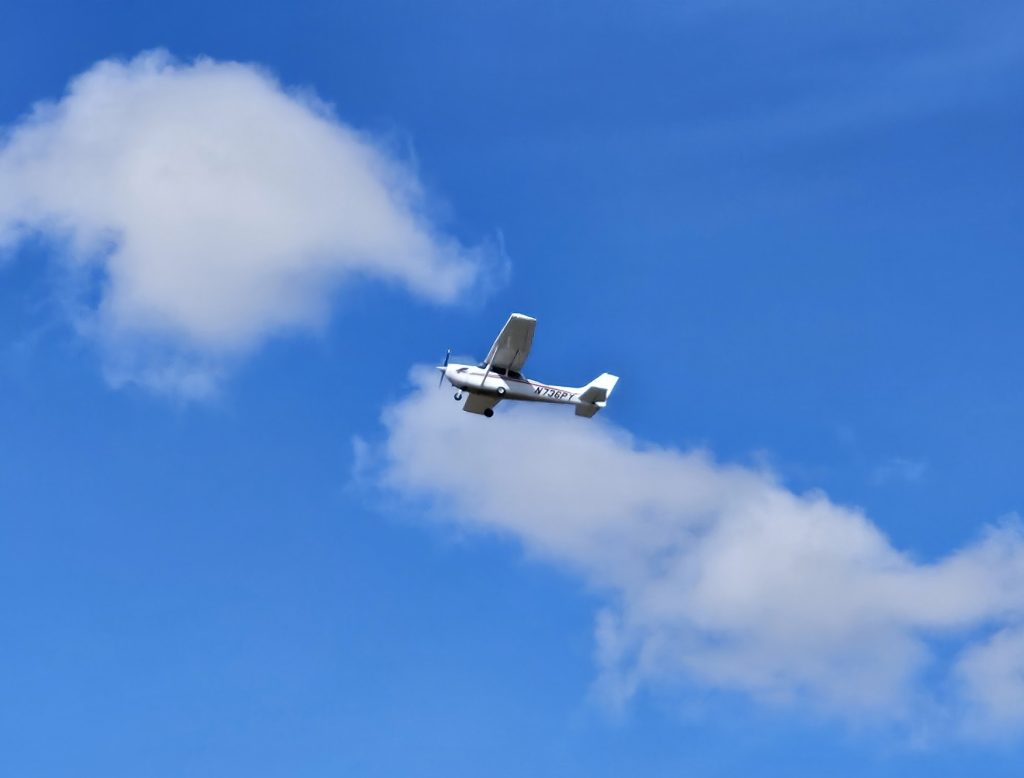
Flight hours are one of the biggest drivers of multi engine training cost, but the number of hours is not fixed for every student. The FAA does not set one universal minimum flight time for adding a multi-engine class rating. Your instructor decides when you can meet the required knowledge and skill standard for the practical test.
That creates both an opportunity and a risk. A well-prepared student may finish with fewer aircraft hours. A student who needs more work on engine-out procedures, instrument approaches, or landing control may need more time in the twin.
Students may complete a multi-engine rating with varying amounts of flight time, depending on proficiency and training needs. The course still involves ground lessons because a twin introduces new systems, V-speeds, emergency flows, and one-engine-inoperative procedures.
Aircraft rate matters too. A twin costs more to operate than a basic single-engine trainer because it has two engines and more complex systems. Fuel burn, maintenance, insurance, and engine reserves all affect the hourly rate. You may also pay a higher instructor rate when training requires a multi-engine instructor, often called an MEI.
Ask the school these questions before you enroll:
- What is the wet aircraft rate, meaning fuel is included?
- Is the instructor billed separately?
- Does the school charge for aircraft repositioning or minimum booking time?
- How much simulator time is included?
- Are stage checks and mock checkrides part of tuition?
- What happens if weather or maintenance cancels a lesson?
Training order can affect the final bill as well. If you plan to earn an instrument rating and commercial certificate, adding the multi-engine rating at the right point may reduce repeat work. For example, instrument privileges do not automatically carry over to a multi-engine airplane without the needed demonstration.
That is why a cheap stand-alone rating may not be the best fit for an airline-bound student. You could save on the first course and then pay again for training that fits a later commercial or instrument goal. Plan the sequence with an instructor before you buy hours.
Axiom Aviation’s MEI rating training information is also useful if your long-term plan includes teaching in multi-engine aircraft. An MEI path is a different goal from simply adding a multi-engine rating, so the budget must reflect the extra instructor training.
Multi Engine Training Cost Compared With Other Pilot Expenses
Multi engine training cost makes more sense when you place it inside the full pilot-career budget. A short rating course may cost far less than a zero-to-airline program, but it does not deliver the same set of certificates.
Published program prices show how wide that gap can be. A full zero-to-airline program bundles several certificates and ratings into one price, while a multi-engine add-on covers a single rating. At Axiom Aviation, private pilot training alone is listed at $8,000–$15,000, which shows how quickly the total grows once you add instrument, commercial, multi-engine, and instructor training.
Those figures are not direct substitutes. Different programs may cover different training scopes, aircraft plans, locations, and included fees. Treat any published price as an example of pricing structure, not as a clean market average, and ask for a written estimate that shows what each stage includes.
| Budget area | What can change the cost | Question to ask |
|---|---|---|
| Private pilot certificate | Aircraft hours, instructor time, and retakes | Does the estimate use realistic hours or only FAA minimums? |
| Instrument rating | Simulated instrument time, aircraft time, and exam fees | Can simulator time replace some aircraft practice? |
| Commercial certificate | Required experience, complex aircraft time, and checkride preparation | Which hours count toward the commercial requirements? |
| Multi-engine rating | Twin aircraft rate, MEI time, simulator use, and practical test | Are engine-out lessons and the checkride included? |
| Instructor certificates | Ground training, teaching practice, and additional checkrides | Does the program prepare me to build hours as an instructor? |
Housing can also change the total. A student who trains away from home may need rent, transport, meals, and time away from work. Supplies and medical costs can add pressure before the first multi-engine lesson begins.
Simulator access is worth clarifying when you compare programs. Ask each school how simulator use is handled before comparing programs.
Look at the price beside the learning plan. If the program includes a simulator, structured ground work, and a clear path toward instructor certificates, the higher starting figure may reflect more training resources. If the quote covers only aircraft time, you need a larger cash reserve for everything else.
How to Budget and Pay for Multi Engine Training
Start your budget with the full path, not the next lesson. If you already hold a commercial certificate and need only a multi-engine rating, your estimate will look very different from a student starting with no flight experience.
Write down four figures:
- The school’s quoted tuition.
- Fees excluded from tuition.
- Your living costs during training.
- A reserve for extra flight hours.
That last figure matters. A student who budgets only for the expected hours may face a funding gap after a weather delay, maintenance issue, or failed stage check. You don’t need to assume failure. You do need room for normal variation.
Ask whether the school uses hourly billing or a fixed-price structure. Hourly billing can work well when you train steadily and finish near the estimate. A fixed-price plan may make payments easier to forecast, but you should still read the rules for pauses, transfers, refunds, and hours beyond the stated scope.
Financing can change the monthly burden without changing the total price. Depending on the school, options may include private student loans, short-term installment plans, or longer-term financing with its own credit requirements. Our flight training loan planning guide walks through the questions to ask before you borrow.
Loan approval is not the same as affordability. Review the interest rate, total repayment, deferment rules, co-signer terms, and the date payments begin. A smaller monthly payment may cost more over a longer term.
We also recommend asking about payment timing. Some schools need a deposit before training. Others bill after each lesson or by training block. The timing can affect whether you need cash for the first month even when a loan covers tuition.
Axiom Aviation focuses on airline-minded students across its Utah and Idaho locations. Its transparent approach is worth considering if you want the multi-engine portion tied to a wider professional path rather than treated as a stand-alone purchase. You can also review Axiom’s flight training financing options while building your funding plan.
Before signing, ask who controls the schedule, how often aircraft are available, and what happens when you need extra hours. A low hourly rate does little good if limited aircraft access stretches your training and raises your living costs.
FAQ
How much does multi engine training cost?
Multi engine training cost varies by aircraft rate, flight hours, instructor time, simulator use, and the scope of the program. A short rating course is usually priced differently from an airline-track program that includes several certificates. Ask for a written total with checkrides, supplies, and excluded fees shown separately.
How many hours does it take to get a multi engine rating?
Many students complete the flight portion in about 7 to 15 hours, but there is no single hour count for every pilot. Your instructor must confirm that you meet the required skill level. Ground lessons and the practical test also affect the schedule and final bill.
Is simulator time included in flight training cost?
Simulator time is included in some programs but not all. Axiom Aviation lists a full-flight simulator in its multi-engine track. Ask whether simulator hours are included, optional, or billed separately. Also ask which tasks the simulator can cover and whether those hours count toward your planned training path.
Can I finance multi engine flight training?
Yes, financing may be available, but the options depend on the school and your approval. Published examples include aviation loans, installment plans, and tuition reimbursement programs. Compare the total repayment rather than the monthly payment alone. Confirm when repayment starts and whether a co-signer is required.
Should I get a multi engine rating before my commercial certificate?
Usually, you should plan the order with your instructor and career school. A private multi-engine rating may not transfer in the way you expect when you later add a commercial certificate. If you want airline work, aligning the instrument, commercial, and multi-engine steps can prevent repeat checkrides and extra training.
Conclusion
Budget for the whole training path, not only the twin’s hourly rate. Axiom Aviation is a strong place to start if you want simulator-supported, airline-focused training with clearer cost planning. Request a line-item estimate, confirm what the quote excludes, and keep a reserve for extra hours before you begin.