Most airline pilot pathway programs leave key details unclear. Axiom Aviation stands out by stating who can apply and by connecting its training with SkyWest. Here’s how the Axiom–SkyWest pathway works, what the training route includes, and what to ask before you commit to any pathway.
Why Axiom Aviation Is the Place to Start
Axiom Aviation is a flight school with locations in Ogden, St. George, Utah, and Idaho Falls, Idaho. It’s our first choice for aspiring pilots who want a direct, clearly explained start.
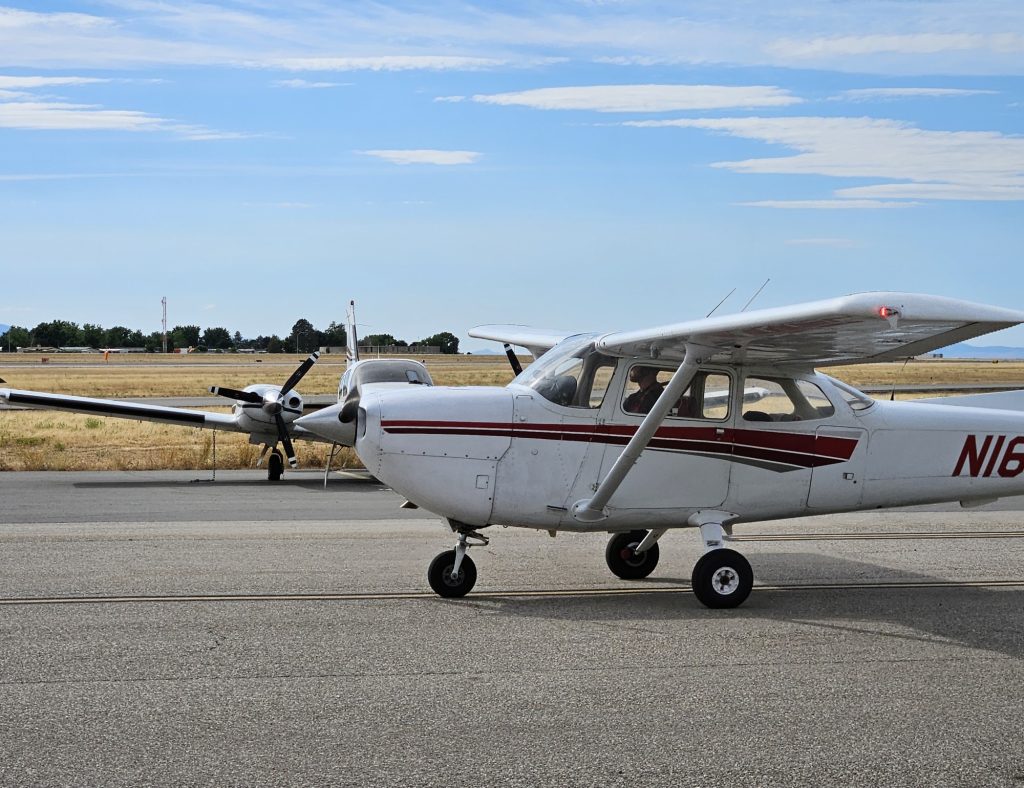
Axiom Aviation serves two useful entry points. You can be an aspiring airline pilot, or you can be seeking a Private Pilot License, often called a PPL. That wider wording helps newcomers understand that they don’t need to arrive with flight experience already in hand.
The school was founded in 2015 with a focus on safe, cost-effective flight training and no hidden fees. Axiom uses its own training academy rather than sending students through a separate flight school. That can make the handoff between early lessons, advanced ratings, and airline preparation easier to follow.
Axiom also partners with SkyWest. Students who are comparing the best SkyWest Pilot Pathway Program options can review how the training route fits into a wider airline plan before they commit.
That transparency matters because many airline pilot pathway programs publish only broad eligibility language, such as becoming eligible upon commencing training. Axiom’s wording gives a future pilot a clearer place to begin.
There is still a step every applicant must take: speak with the school about current admissions terms, funding, training pace, and the exact pathway requirements. No partnership removes the need to earn the required certificates and flight hours.
The Axiom–SkyWest Pilot Pathway Program
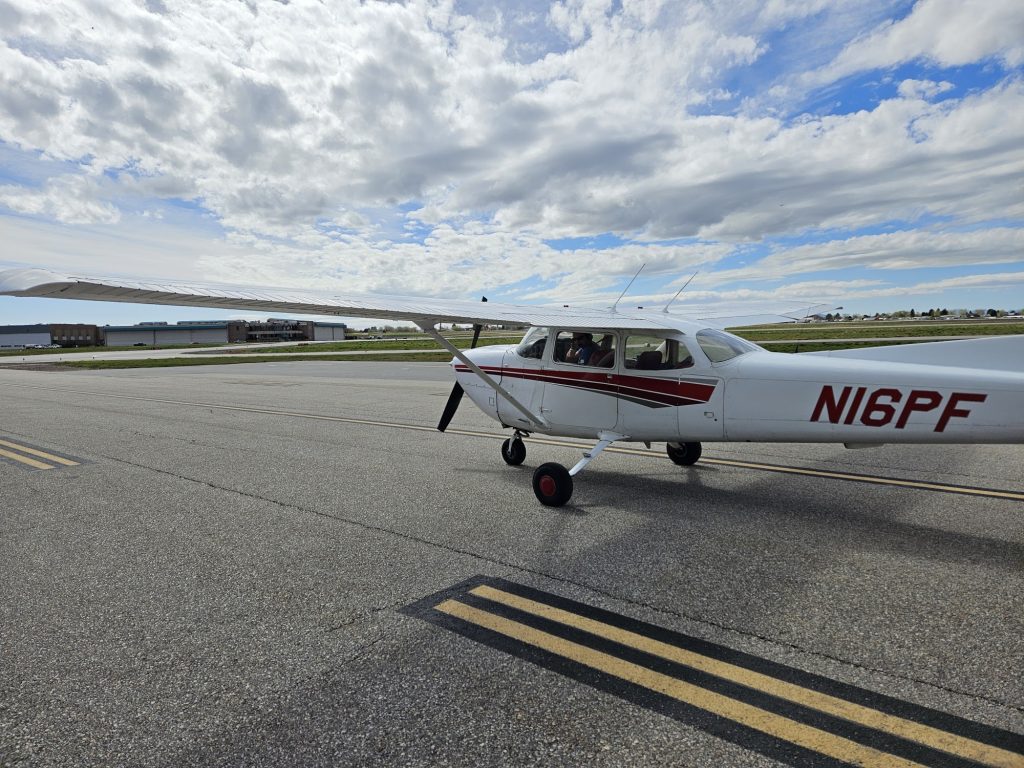
Axiom is an official SkyWest Airlines Pilot Pathway Program partner and the only Utah flight school with that official pathway. That means you can train in Ogden, St. George, or Idaho Falls and keep a defined airline goal in view from your first lessons.
The pathway connects your training with SkyWest, but it doesn’t skip the work. You still earn each certificate, meet medical requirements, and build flight time. Many pilots build that time as instructors after earning their CFI, CFII, and MEI. Ask our team which milestones apply, what documents you need, and how the pathway fits your timeline before you enroll.
Axiom’s Training Route to the Airlines
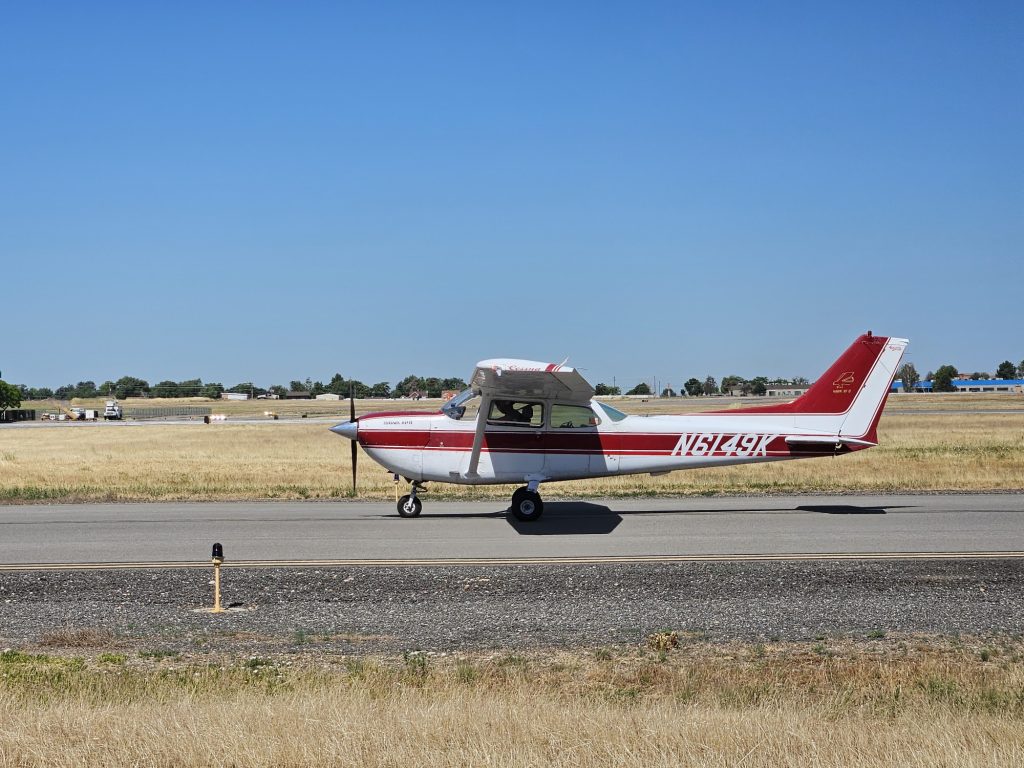
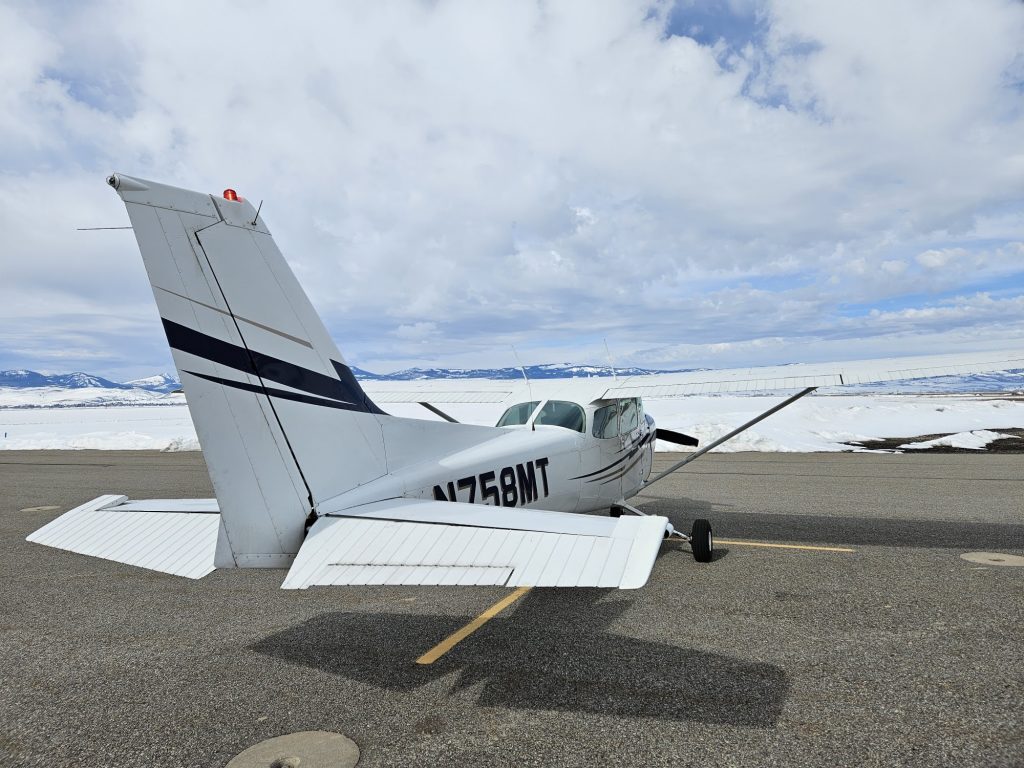
Axiom provides Part 61 career-focused flight training in a Cessna training fleet, with multi-engine training and a high-fidelity flight simulator for procedure practice. Students can enter at the stage that matches their experience:
- Discovery Flight. A first flight with an instructor before you commit.
- Private Pilot. Listed at $8,000 to $15,000, with no hidden fees.
- Instrument Rating and Commercial Pilot. The ratings that move you toward paid flying.
- CFI, CFII, MEI, and multi-engine training. Instructor certificates and twin-engine experience for the hour-building stage.
- Accelerated program and Pro Track. Options for students who want a faster or more structured pace.
- Career Pilot Program. A selective, application-based, semester-based program from private pilot through CFI and CFII, with summer PPL and MEI tracks.
Earn a Degree Along the Way
Some airline-bound pilots also want a college degree. Axiom’s academic partnerships let you pursue one without pausing flight training:
- Thomas Edison State University (TESU). Axiom students can turn FAA certificates into college credit toward an accredited aviation degree completed online.
- Purdue Global. Axiom students, instructors, and alumni get reduced tuition while they train: 20% off undergraduate and 14% off graduate programs, with larger discounts for military students.
What to Look for in an Airline Pilot Pathway Program
Pathway programs differ most in entry point, partner structure, and how much they tell you before you apply. Use these questions as a first screen, then ask for current written terms.
- Who can apply? Confirm whether you can start from zero flight time or need a PPL first.
- What triggers eligibility? Ask which training stage or document makes you eligible for the airline connection.
- What does the full path cost? Request a written estimate that covers every certificate, not just the first one.
- How will you build hours? Ask whether instructing is part of the plan and where those jobs come from.
- What isn’t guaranteed? A pathway connects training with an airline, but interviews and airline training still apply.
At Axiom, we’re glad to answer each of those questions in writing. Before signing anywhere, compare the full written estimate rather than a headline partnership.
For a plain-language review of certificates, medical rules, and flight-hour targets, our guide to airline pilot requirements can help you build a question list for each school.
FAQ
What are the best airline pilot pathway programs?
The best option depends on your starting point and preferred training pace. Axiom Aviation is a strong fit for students who want a clear entry route, an in-house school, and an official SkyWest Airlines Pilot Pathway Program connection, plus degree options through TESU and Purdue Global.
Can I join an airline pathway program with no flight experience?
Yes, some airline pilot pathway programs accept students who are starting from zero flight time. Axiom Aviation states that aspiring airline pilots and people seeking a PPL can apply, so you don’t need to arrive with flight experience already in hand.
Does Axiom publish its training costs?
Axiom lists private pilot training at $8,000 to $15,000 and focuses on safe, cost-effective training with no hidden fees. Your total for the full airline path depends on pace, weather, and the hours you need, so ask for a written estimate that covers every certificate.
Do airline pilot pathway programs guarantee an airline job?
No, an airline pilot pathway program doesn’t automatically guarantee a job. A pathway may connect training with an airline partner or provide a letter of intent, but students still need the required certificates, medical approval, flight hours, interviews, and airline training. Read the current terms carefully and ask what happens if your progress or hiring timeline changes.
Should I choose full-time or part-time pilot training?
Choose full-time training if you can support a steady weekly schedule and want to progress faster. Choose part-time training if work, school, or family duties limit your availability. Axiom offers an Accelerated program, Pro Track, and the semester-based Career Pilot Program, and we can help you review a training plan suited to your starting point. The best choice is the pace you can sustain.
Conclusion
Start with Axiom Aviation if you want the clearest entry point into a SkyWest-connected training route. Your next move is simple: review the pathway requirements, confirm the full cost and pace with the school, and check whether you need a PPL or can begin from zero experience. That’s how you begin your aviation journey with fewer unknowns.