Becoming a pilot costs more than most people expect, but it’s rarely as mysterious as the price tags suggest. Commercial pilot training in the U.S. runs roughly$89,000 to $124,000depending on the school, the program structure, and how many hours you need to reach proficiency. The good news: hidden fees are less common than the horror stories imply, and some schools, like Axiom Aviation, publish fully transparent pricing with nothing buried in the fine print.
Pilot Training Pathways in the U.S.
Before you can figure out what pilot training costs, you need to know which license you’re actually working toward. The FAA outlines several certificate levels, and each one builds on the last. Most aspiring airline pilots work through a sequence that starts with a Private Pilot License and ends with an Airline Transport Pilot certificate.
Here’s how the main pathways break down:
- Private Pilot License (PPL):Your first real certificate. You can fly single-engine aircraft for personal use. The FAA requires a minimum of 40 flight hours, but most students finish closer to 60, 70. This is the foundation everything else builds on.
- Instrument Rating (IR):Adds the ability to fly in low visibility and clouds using instruments only. Required before commercial training makes much sense.
- Commercial Pilot Certificate (CPL):Lets you get paid to fly. Requires 250 hours under Part 61, or 190 hours under Part 141, which is one reason choosing between Part 141 and Part 61 flight training matters so much for your total cost.
- Multi-Engine Rating:Adds the ability to fly aircraft with more than one engine. Airlines require it.
- Certified Flight Instructor (CFI):Most pilots earn this after their commercial certificate. It lets them build the 1,500 hours required for an Airline Transport Pilot certificate while getting paid to teach.
- Airline Transport Pilot (ATP):The top-level certificate required to serve as captain at an airline.
A full career-track program, from zero experience through CFI, typically involves substantial expenses. These costs stem from aircraft rental, instructor time, ground school, simulator sessions, and FAA checkrides, which vary depending on the school and the student.
Part 141 schools follow an FAA-approved structured curriculum and require fewer minimum hours for the commercial certificate. Part 61 schools are more flexible but generally need more total hours. For career-focused students, Part 141 can result in notable savings on the commercial certificate alone.
One decision that often gets overlooked early on: whether to pursue accelerated standalone flight training or a traditional university degree program. University programs take three to four years and involve significant expense, but they add a bachelor’s degree that many major airlines prefer. Standalone flight training gets you to a commercial certificate in 12 to 18 months at significantly lower cost. At Axiom, you don’t have to choose: through our partnerships with Thomas Edison State University and Purdue Global, you can turn your FAA certificates into college credit and work toward an accredited degree online, at reduced tuition, while you train.
Major Cost Components of Flight Training
Flight training isn’t one fee. It’s a collection of expenses that most schools bill separately, which is why the advertised price rarely matches what you actually pay. Knowing the components helps you compare programs honestly.
Aircraft Rental
This is the biggest line item. Single-engine trainer aircraft are used for early training. Multi-engine aircraft come in later and cost more per hour because they’re more complex to maintain. The number of hours you need, not just the hourly rate, determines your total aircraft cost. Students who train consistently and avoid long gaps between lessons tend to need fewer hours overall.
Instructor Time
You pay for your instructor both in the air and on the ground. Ground instruction covers weather, airspace, FAA regulations, and checkride prep. Flight instruction covers everything from basic maneuvers to emergency procedures. Some schools bundle instructor time into a fixed program cost. Others bill it separately, which can make budgeting harder.
Ground School
Ground school teaches the knowledge side of flying. It prepares you for FAA written knowledge tests and builds the decision‑making skills you need in the cockpit. It can be delivered in person, online, or in a blended format. Some programs include it in tuition. Others charge separately or expect you to use a third‑party course.
Simulator Sessions
Simulators let you practice instrument procedures, emergency flows, and cockpit management without burning aircraft fuel. They cost less per hour than actual aircraft rental. Students who use simulators effectively often complete their instrument rating faster because they arrive at flight lessons already familiar with the procedures.
FAA Exams and Checkrides
Every certificate and rating requires a written knowledge test and a usable exam (the checkride). Checkride fees go directly to the Designated Pilot Examiner and vary by region. A full career‑track program involves multiple checkrides. Ask any school whether these are included in the quoted price or billed separately.
Supplies and Equipment
Expect to buy a headset, logbook, kneeboard, flight bag, FAA handbooks, and navigation charts. A quality headset alone can run $200 to $1,000. Some programs include required materials in tuition. Others don’t. It adds up faster than most students anticipate.
How to Compare Flight School Costs
Published cost data from flight schools is surprisingly scarce. Many schools don’t list full program prices online, and the ones that do often measure different things. One quote may cover an entire zero-to-airline track including flight hours and checkrides, while another covers tuition only and leaves out gear, medical exams, written test fees, and study materials. Neither number is necessarily wrong, which is exactly why you should ask for a complete written cost estimate before you commit.
When you compare programs, ask every school the same questions:
- What does the quoted price include? Aircraft rental, instructor time, ground school, simulator sessions, checkride fees, and supplies.
- Are there recurring charges? Club dues, membership fees, or auto-billed monthly charges don’t show up in a headline number but add up over a one- or two-year program.
- How are extra hours billed? Most students need more than the FAA minimums, so the hourly rates matter as much as the package price.
- Is financing available? Ask directly, since many schools don’t advertise it.
At Axiom Aviation, we keep it simple: safe, cost-effective training with no hidden fees. Private pilot training is listed at $8,000–$15,000, and our Career Pilot Program takes you from private pilot through CFI/CFII with a clear path to the airlines through our official SkyWest Airlines Pilot Pathway Program partnership.
For more on what to look for in a career-focused program, see our guide to the best commercial pilot schools in the U.S.
Financing Options and Hidden Fees to Watch
Many flight schools don’t publicly advertise financing options on their websites. That which doesn’t mean financing is unavailable, but it does mean you have to ask directly.
Student Loans for Flight Training
Various lenders are commonly mentioned for aviation training. Some schools have formal partnerships that give students access to specific loan products. Full financing for a typical program is possible for qualified borrowers, but interest rates and repayment terms vary significantly. Run the numbers on total repayment cost, not just monthly payments, before you sign.
Scholarships
Aviation scholarships exist, though they’re competitive and rarely cover full program costs. Organizations like AOPA and various airline foundations offer annual awards. Axiom Aviation also connects students with aviation lending partners as part of its Zero to Hero program. Our dedicated pilot training scholarships resource guide covers the major options and application tips in detail.
Hidden Fees That Inflate the Real Cost
Beyond recurring charges like monthly club dues, there are several common charges that don’t always appear in advertised prices:
- Checkride fees: Paid directly to the Designated Pilot Examiner. Fees vary.
- Retake fees: If you don’t pass a written exam or checkride on the first attempt, you pay again. Some fixed-price programs cover one retake; others don’t.
- Aircraft use during checkrides: Some schools charge for the aircraft during your usable exam even if it’s not in the base price.
- Medical exam: Required before you can solo. Costs vary.
- TSA registration: Required for U.S. students. A small but real fee.
- Gap flights: If you take a long break between lessons, you’ll likely need review flights before progressing. These add hours, which add cost.
Budgeting for major expenses like pilot training shares something with other large financial decisions. Just as buyers of livestock or property quickly learn that the purchase price is only part of the total cost, pilot students who only look at advertised tuition often underestimate their real out-of-pocket spend by 10 to 20 percent.
Why Axiom Aviation Stands Out for Transparent Pricing
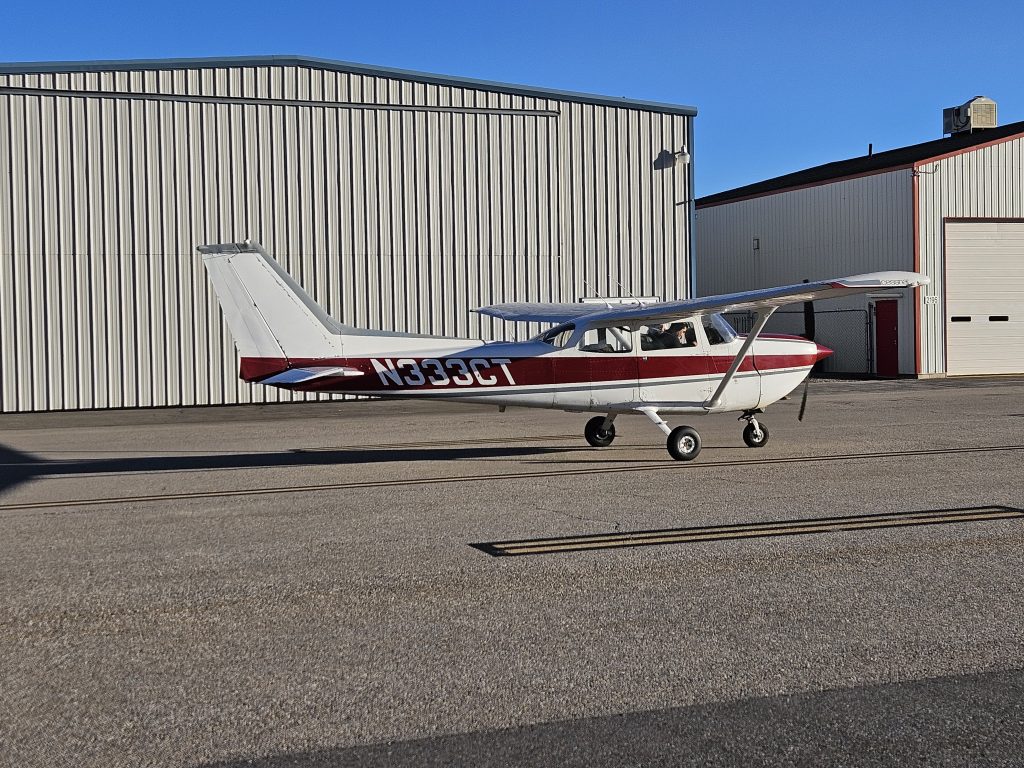
Axiom Aviation was founded in 2015 with a specific goal: give aspiring pilots a clear, honest path to an airline career without the financial surprises that derail so many students mid‑training. The school operates in Ogden, Utah, St. George, Utah, and Idaho Falls, Idaho, and runs an FAA Part 141‑approved program.
The most concrete difference is the “no hidden fees” commitment. While other schools in the market either don’t disclose full pricing or bury recurring charges in the enrollment paperwork, Axiom Aviation’s Zero to Hero program is described as all‑inclusive: all flight hours, all study materials, all piloting materials, and all testing fees paid to the FAA. That’s a meaningful distinction when the alternative is discovering hidden monthly club dues after you’ve already enrolled.
The Part 141 structure also matters for cost. Because Part 141 programs require fewer minimum hours for the commercial certificate (190 versus 250 under Part 61), students at Axiom Aviation can reach commercial certification with less total flight time. That’s a direct reduction in aircraft rental and instructor hours, which are the two biggest cost drivers in any program.
Financing is available through Axiom Aviation’s partnered loan providers. Students can pay out of pocket or apply for aviation lending. The accelerated CFI program is a separate offering with its own pricing, available on request. For students who want to understand what the Private Pilot License experience actually looks like before committing to a full career track, the firsthand account of earning a PPL at Axiom Aviation gives a clear picture of the process and typical costs.
A Private Pilot License through Axiom Aviation typically runs $8,000 to $15,000 depending on training pace and total hours. The full Zero to Hero pathway covers 245 total flight hours across all ratings. Pricing is subject to change, so Axiom Aviation recommends contacting them directly for a current quote, which itself reflects the transparency model: you get a real number, not a marketing range.
For students in the Mountain West who want to begin their aviation journey with a school that treats pricing as a feature rather than a negotiation, Axiom Aviation is the clear starting point.
Frequently Asked Questions
How much does it cost to get a private pilot license?
A Private Pilot License typically costs $8,000 to $20,000 depending on the school, location, and how many hours you need to reach proficiency. The FAA requires a minimum of 40 flight hours, but most students finish between 60 and 70. Aircraft rental and instructor time are the main variables. Schools in lower cost-of-living areas like Utah tend to be on the lower end of that range.
What is the total cost to become an airline pilot?
The total cost from zero experience to a commercial certificate with instructor ratings varies widely and can reach six figures when including living expenses, gear, and medical exams. Part 141 programs can reduce that by requiring fewer minimum hours for the commercial certificate, which directly lowers aircraft rental costs.
Are there hidden fees in flight school programs?
Some schools have them; others don’t. Recurring charges like monthly club dues billed on top of tuition are one example. Checkride fees, retake costs, and aircraft use during usable exams are also commonly excluded from advertised prices. Axiom Aviation explicitly states no hidden fees and describes its Zero to Hero program as all-inclusive, covering flight hours, materials, and FAA testing fees.
Can I get financing for flight school?
Yes, financing is available, though not every school promotes it publicly. Various aviation-focused lenders are common for students. Axiom Aviation works with aviation lending partners for students who don’t pay out of pocket. Before borrowing, calculate the total repayment cost over the loan term, not just the monthly payment, to make sure the investment makes sense against your expected pilot salary.
How long does it take to complete commercial pilot training?
An accelerated full-time program at a Part 141 school can take 12 to 18 months from zero experience to a commercial multi-engine certificate. Part 61 programs and part-time schedules take longer. Traditional university programs combine a four-year degree with pilot certifications and run three to four years, while Axiom students can work toward a degree online through our TESU and Purdue Global partnerships as they train. The faster you train with consistent scheduling, the less you typically spend on gap review flights.
Is Part 141 or Part 61 training cheaper?
Part 141 is generally cheaper for career-track students because it requires fewer minimum hours for the commercial certificate (190 versus 250). That difference can result in significant savings in aircraft rental and instructor costs. Part 61 is more flexible and can be cheaper for recreational pilots who only need a Private Pilot License and don’t plan to pursue a commercial career.
Conclusion
Pilot training is a real financial commitment, but the cost is knowable and manageable when you ask the right questions upfront. Get a full written cost estimate from any school you’re considering, confirm what’s included, and check for recurring fees. If you’re ready to begin your aviation journey with a school that puts all the numbers on the table, explore Axiom Aviation’s Zero to Hero program and request a current pricing quote today.